Water Damage Restoration Midvale, UT
Emergency water damage restoration in Midvale, UT. The extraction crew pulls standing water out of basements and living space, then the drying team dries the structure to IICRC S500 and logs every step.
(888) 558-4812 Water across the basement? Start extraction now- 24/7 dispatch
- IICRC S500 drying standard
- Truck-mounted extraction
Most local losses start below grade, so the walkthrough checks window wells, floor drains and the utility room first.

Water Damage Restoration Services in Midvale, UT
Water and sewage only, from the first pump-out to the last moisture reading. Most local homes sit over basements, so the below-grade work leads the list.
Below grade first
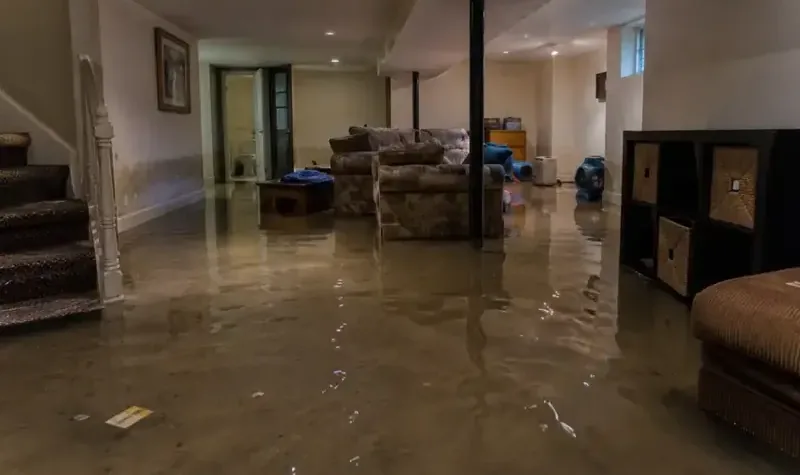
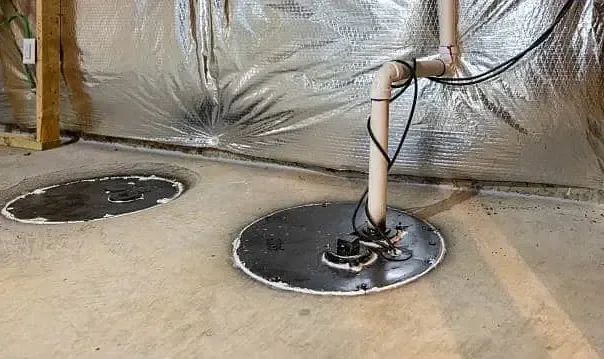 Basement Flooding Cleanup Water across a finished lower level pulled out, carpet and drywall sorted, the slab and framing dried. View service
 Window Well Flooding Cleanup A cloudburst fills the well, the window gives way and water runs down the basement wall. View service
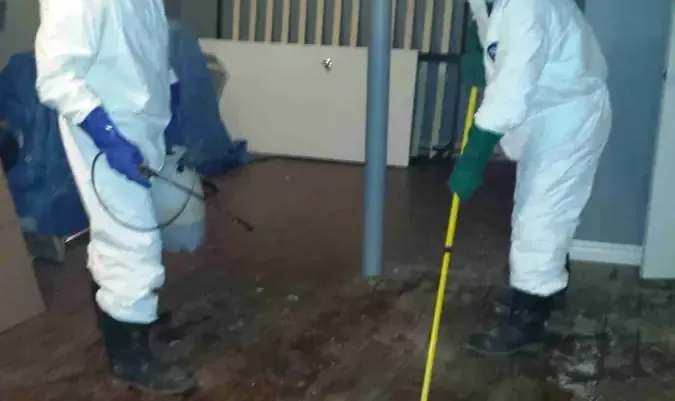 Sewer Backup Cleanup Floor drain and toilet backups handled as Category 3, with containment, removal and disinfection. View service
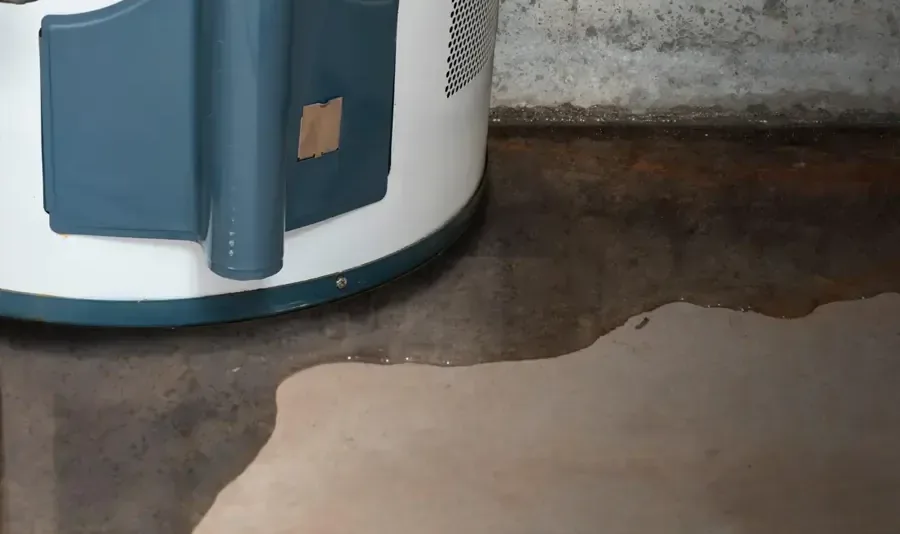 Water Heater Failure Cleanup A tank that lets go in the utility room, extracted before it runs under finished walls. View service
Above grade and the whole house
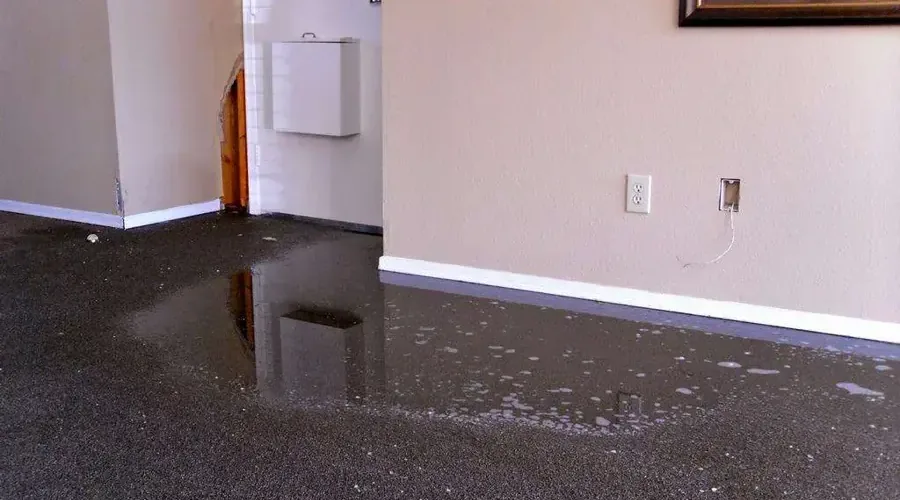 Water Extraction and Removal Truck-mounted units pull standing water out of carpet, pad and hard floors before it spreads.
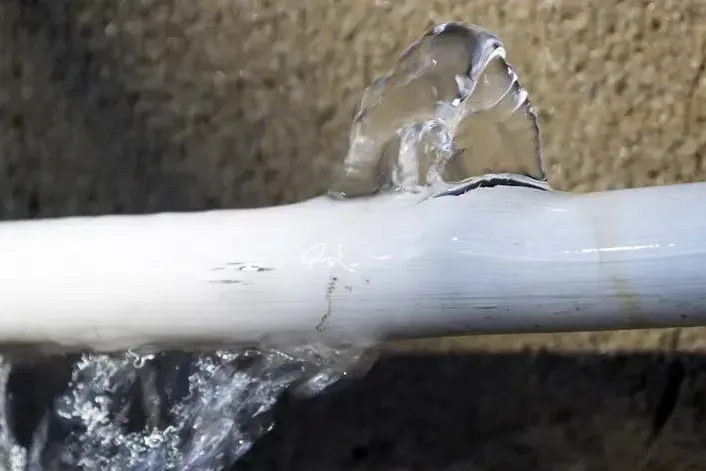
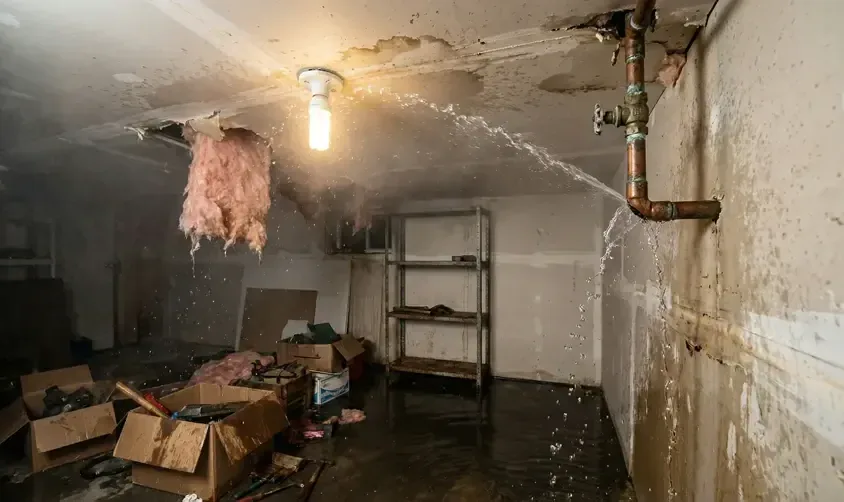 Burst Pipe Cleanup A split supply line shut down, extracted, and every wet wall cavity dried to readings.
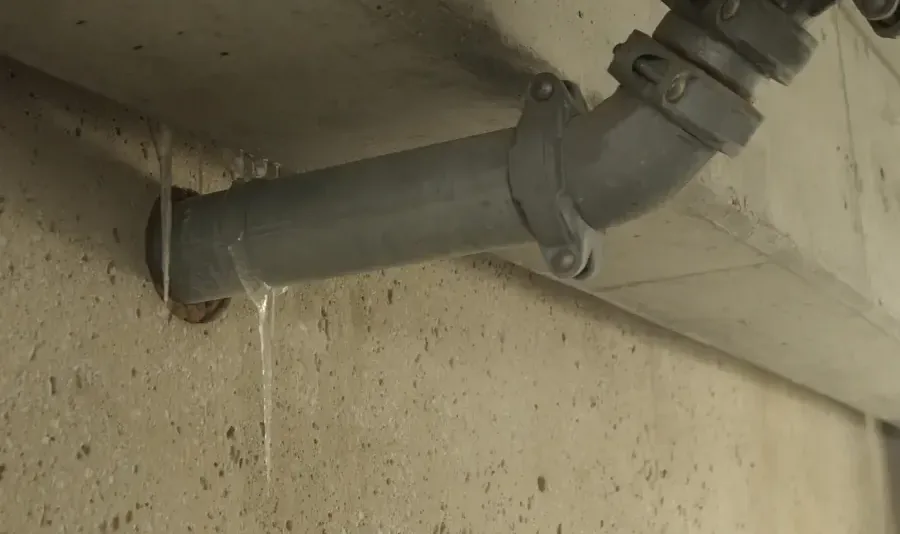 Frozen Pipe Cleanup Lines in exterior walls and garages that split in a cold snap and leak on the thaw.
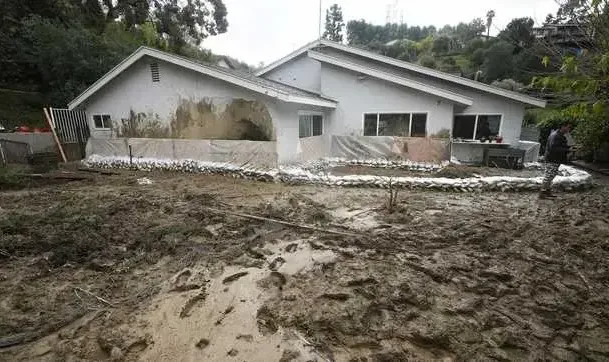 Cloudburst and Flash Flood Cleanup Summer cloudburst runoff and creek water treated as contaminated, pumped out and dried.
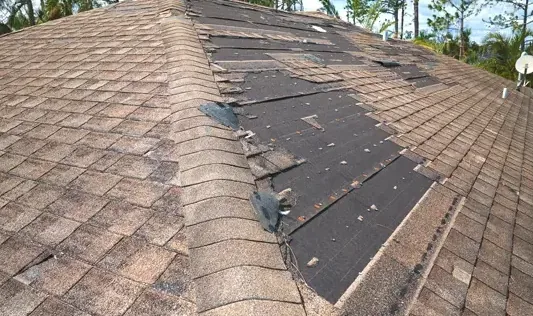 Roof Leak and Ice Dam Water Damage Ice dams and storm leaks traced from the attic down, wet insulation pulled and ceilings dried.
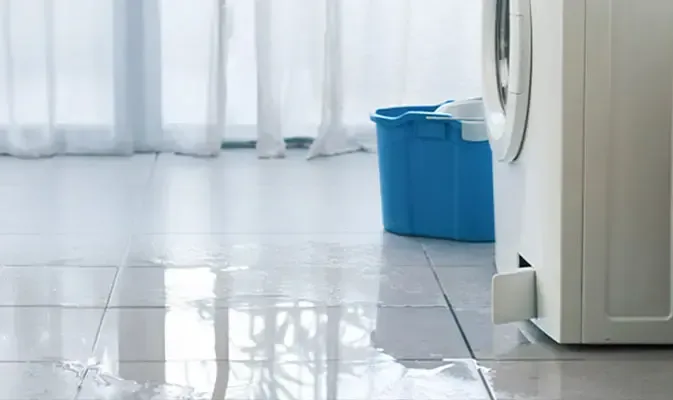 Appliance and Supply Line Leaks Washer hoses, dishwasher lines and ice makers that fail behind cabinets and under floors.
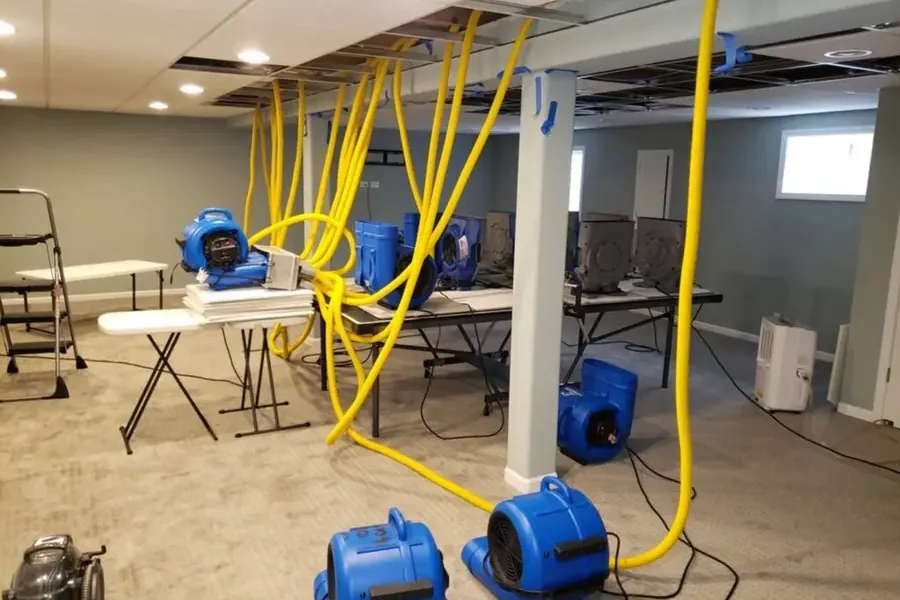 Structural Drying and Dehumidification Framing, subfloor and concrete dried to within 2 to 4 points of a dry reference.
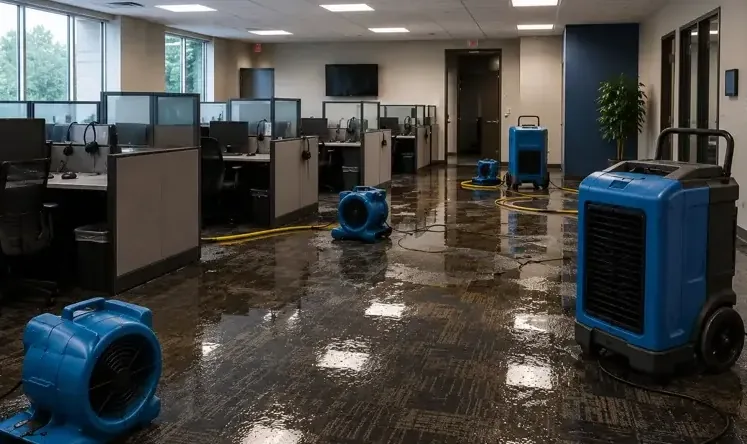 Commercial Water Damage Shops, offices and apartment buildings dried in phases so the doors can stay open.
Window wells, floor drains and a basement utility room
Most single-family homes here sit over a basement, so water that starts anywhere in the house tends to finish below grade. Four patterns explain most lower-level losses.
Window wells
A summer cloudburst can fill an egress well faster than its gravel drains, and the water then comes through the window and down the wall.
Floor drains
When the sewer main or the home's lateral backs up, the basement floor drain is the lowest opening, so sewage shows up there first.
The utility room
The water heater, furnace and washer usually share the basement, so a failed tank or hose wets the slab and the finished walls next to it.
Snowmelt seasons
Spring runoff saturates the ground around foundations, and slow seepage through wall and slab cracks shows up as damp carpet edges.
Five moves that limit the damage before help arrives
- 1
Stop the source
Close the main shutoff, often near the water meter in the basement, or the valve at the fixture that failed.
- 2
Cut power safely
Switch off breakers to wet rooms only if the panel is dry and you can reach it without standing in water.
- 3
Stay out of sewage
If the floor drain or a toilet backed up, keep children and pets away and do not run water upstairs.
- 4
Move what matters
Lift rugs, boxes and electronics off wet floors, and carry photos and papers to a dry room.
- 5
Take photos first
Photograph every wet room and damaged item before anything is moved or thrown out, for the claim.
Structural drying, worked in order from attic to slab
A finished dry-out differs from a cosmetic one in the order of the work. The response team traces water from where it entered to where it settled, floor by floor, and dries every level it touched.
- 1
Map the moisture
Pinless meters and a thermal camera show how far the water traveled before any equipment goes down.
- 2
Extract
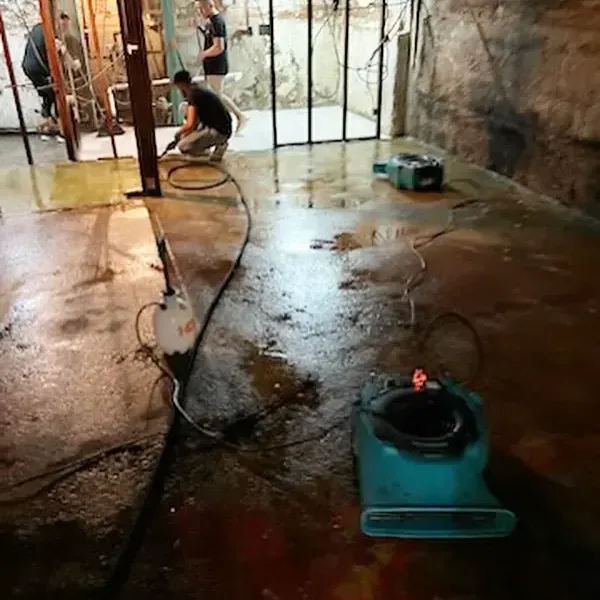
Truck-mounted units pull standing water so it leaves the house instead of soaking into pad and bottom plates.
- 3
Dry the structure
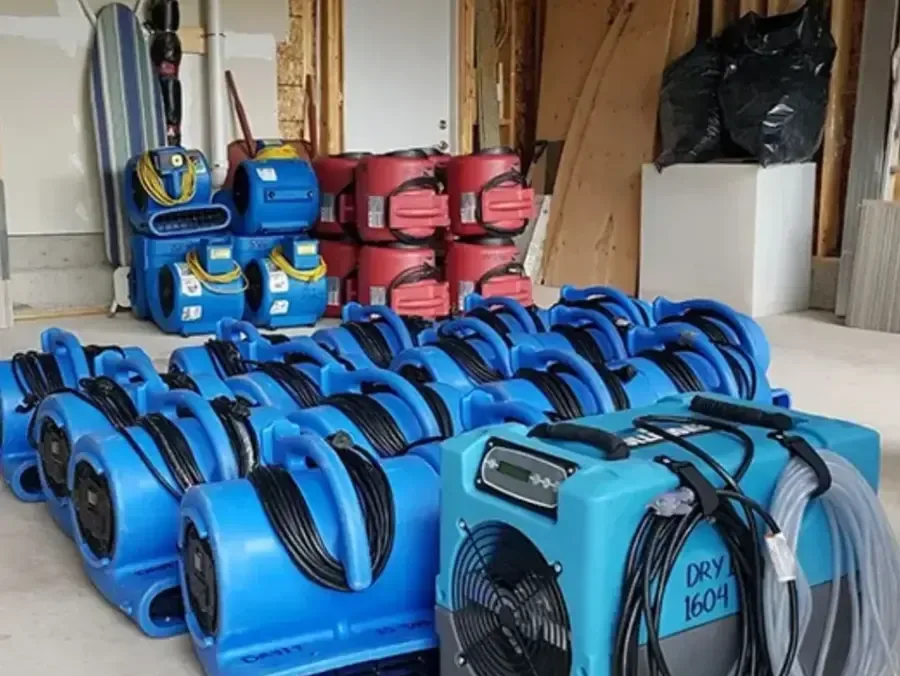
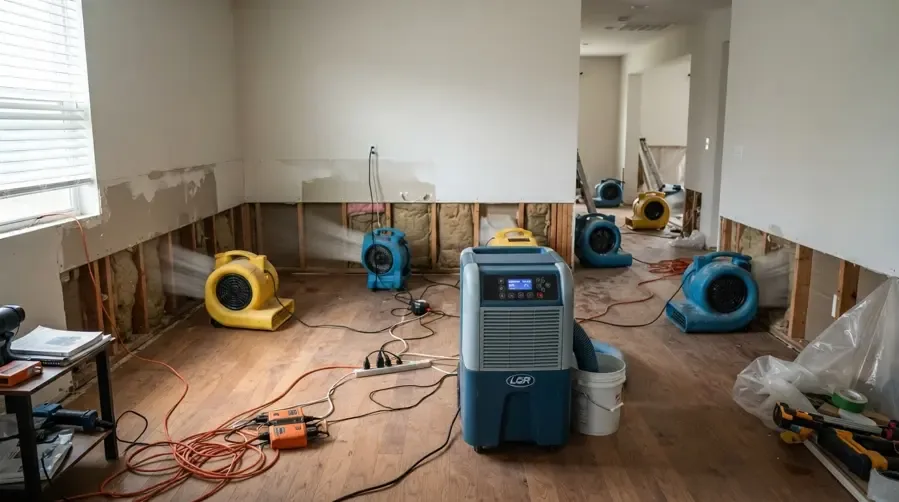
Air movers are set room by room and LGR dehumidifiers pull the moisture, with desiccants for dense Class 4 materials.
- 4
Verify dry
Equipment stays until wet materials read within 2 to 4 points of a dry reference, with readings logged daily.
- Category and class set the plan
- Structural drying, not just surfaces
- Readings decide when equipment leaves
What does water damage restoration cost in Midvale, UT?
Most water damage restoration jobs in Midvale, UT run between $1,200 and $7,500. A contained clean-water leak lands near the low end, while a finished basement with Category 3 water and opened walls can climb well past that.
Small clean-water leak
$1,200 to $3,000
- Extraction
- Air movers and LGR
- Three to four days of readings
One wet basement room
$3,000 to $7,500
- Pad and baseboards out
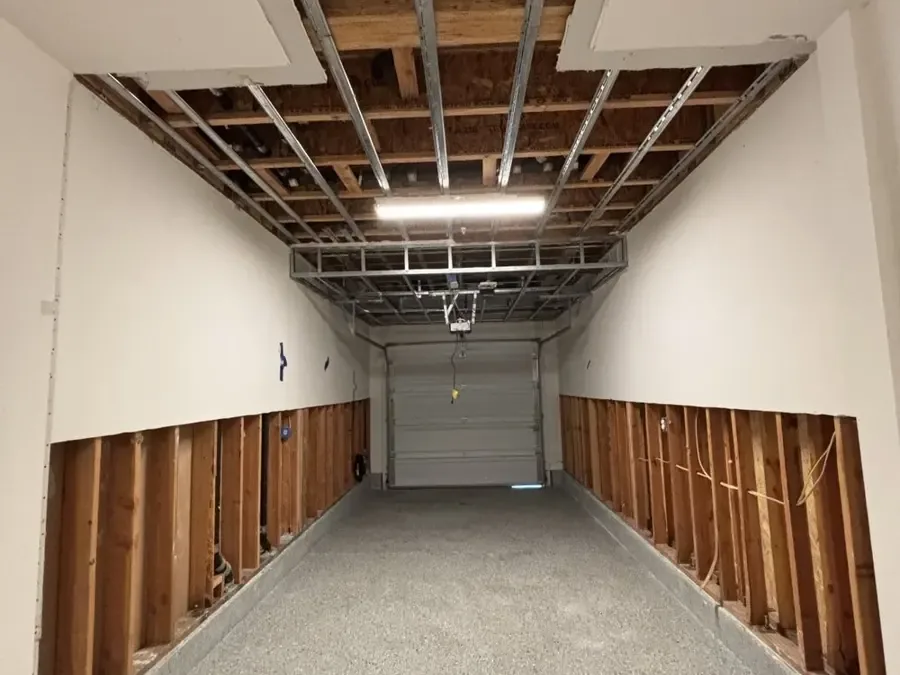
- Flood cuts on drywall
- Antimicrobial where needed
Finished basement, Category 3
$7,500 to $18,000+
- Porous materials removed
- Containment and PPE
- Extended structural drying
The water category, the wet square footage, the material class and how fast drying started move the number most. Rebuild work is priced after drying. The water damage cost calculator gives a planning range.
What the drying setup includes
- A moisture map from day one showing every wet area
- Timestamped photos taken before any demolition
- The category and class of the loss
- Daily psychrometric readings and the drying log
- A line-item scope in the format adjusters use
Documentation that backs a water claim
A water claim is decided on the documentation. Ask the restoration contractor who responds which records come with the job, and keep a copy of each one.
Check your own policy
Sudden and accidental discharge, such as a burst supply line or a split water heater, is usually treated differently from seepage, a sewer backup or outside surface water.
Sewer backup often needs its own endorsement and rising outside water usually needs flood coverage, so read your policy or ask your insurer before work starts.
How the water category changes the job
Category 1, clean water
A burst supply line, a water heater tank or an ice maker line. Extracted and dried in place when drying starts early.
Burst pipe cleanupCategory 2, gray water
Washer discharge, a dishwasher overflow or clean water left to sit for days. Soaked pad and some porous materials come out.
Appliance leak cleanupCategory 3, black water
Floor drain sewer backups and outside runoff. Porous materials the water touched are removed and surfaces get an EPA-registered antimicrobial.
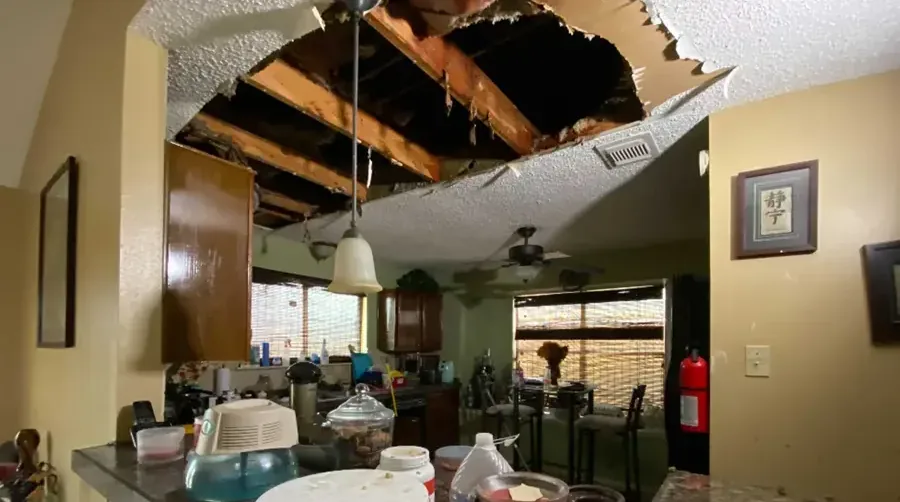
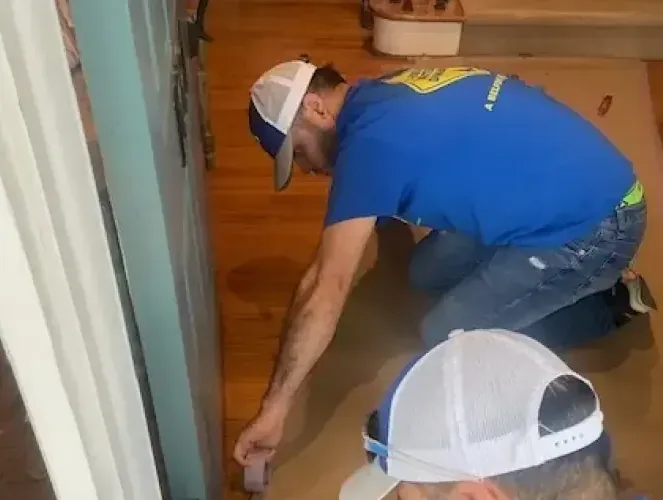
Sewer backup cleanupWhat a water damage dry-out looks like from start to finish
Water damage restoration across Midvale and Salt Lake County
From the Jordan River side to Fort Union, around the clock
The restoration team covers ZIP 84047 end to end: historic Main Street, Bingham Junction, the State Street and I-15 corridors and the homes along Little Cottonwood Creek.
Dispatch asks which level of the home is wet and what the source is, because that decides which pumps, extractors and dehumidifiers go on the truck.
- (888) 558-4812
- Dispatch around the clock, holidays included
- [email protected] (non-urgent questions)
Neighborhoods and corridors
- Historic Main Street
- Fort Union
- Bingham Junction
- Little Cottonwood Creek
- Jordan River side
- State Street
- I-15 corridor
Nearby cities
Water damage in Midvale, UT: what drives it
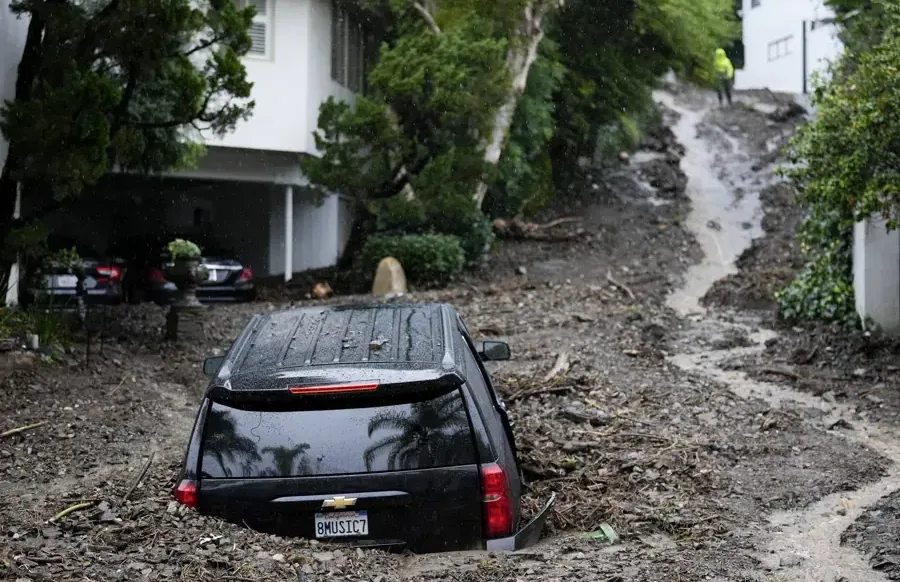
Midvale water losses follow its basements, its creek and its winters. The city runs from the Jordan River on the west to Fort Union on the east, and five patterns lead the calls.
- Cloudbursts and window wells. Short, heavy summer storms drop rain faster than yards absorb it, and egress window wells beside basement bedrooms fill and spill inside.
- Snowmelt along the creek. Creek research found about 85 percent of the runoff at its mouth came from snowmelt, so spring flows run high and saturated ground pushes water at foundations.
- Older homes near Main Street. Permanent homes date to the 1850s, and the older blocks can carry aging supply lines and sewer laterals under the floors.
- Hard freezes. Winter cold splits hose bibs and lines in exterior walls and garages, and the leak usually shows on the thaw, not the night it froze.
- Basement utility rooms. Water heaters, furnaces and washers share the lower level, so one failed tank or hose wets the slab and any finished walls beside it.
Summer 2010 Little Cottonwood Creek, which crosses the city on its way to the Jordan River, reached a waterline 6.3 feet above bank level, after significant flooding in 1983.
Midvale water damage questions, answered
Water in the basement right now?
Skip the reading. Shut off the main if it is safe, keep clear of outlets, and call so extraction starts before the water wicks higher.
(888) 558-4812 Ask about your basement waterHow fast can a crew respond to water damage in Midvale?
Active water is treated as urgent at any hour, nights and holidays included. Dispatch sends an available crew with extraction and drying equipment, and the walkthrough starts with a moisture map so the plan matches what is actually wet.
Will homeowners insurance cover a flooded basement?
It depends on the source. A sudden burst pipe or a split water heater is often covered, while seepage, a sewer backup or outside surface water may need an endorsement or flood coverage. Check your own policy; the claim file documents the source either way.
Why do window wells flood in summer storms?
A cloudburst can drop more rain than the gravel at the bottom of the well can drain. Without a cover or a working drain, the well fills like a bucket and water comes through the window seal or the glass.
How long does it take to dry a wet basement?
Many basement losses dry in three to five days, but concrete slabs and walls are Class 4 materials and can take longer. Equipment stays until daily readings reach the dry goal, not until the surface looks dry.
What is the IICRC S500 standard?
It is the industry standard for professional water damage restoration. It sets how water is categorized, how drying equipment is sized and how dryness is verified, so the job ends on measurements instead of guesswork.
What should be done in the first hour after a leak?
Stop the water at the main or the fixture, cut power to wet rooms if the panel is dry, move belongings off wet floors and take photos. Then call, because water keeps wicking into drywall and pad.
When does wet drywall have to come out?
Drywall that soaked up Category 3 water, or that stayed wet long enough to swell or crumble, is cut out. Clean-water drywall can often be dried in place when drying starts within the first day or two.
Why is a sewer backup handled differently from a pipe leak?
Sewage is Category 3 water from the first minute and carries bacteria. The crew works in PPE, removes porous materials it touched above the waterline and treats surfaces with an EPA-registered antimicrobial at the label dwell time.
How is the cost of water damage restoration figured?
The bill follows the water category, the square footage that got wet, the material class and how long the water sat. Drying is billed by equipment days and labor, and rebuild work is priced separately once drying ends.
Should a shop vac be used on a flooded basement?
A shop vac can lift a small puddle, but it cannot pull water out of carpet pad, drywall or the slab. Truck-mounted extraction removes far more water, and structural drying handles what is left inside the materials.
Water in a Midvale basement right now? Get the dry-out started.
Standing water keeps spreading until it is extracted. The response team starts every job with a moisture map, not a guess.