Cloudburst and Flash Flood Cleanup in Midvale, UT
When a Midvale summer cloudburst or high creek water sends runoff into a basement or garage, the response team treats it as contaminated, pumps it out, removes what it soaked and dries the structure.
(888) 558-4812 Runoff came inside in the storm? Call- Category 3 handling
- Submersible pumps
- Antimicrobial treatment
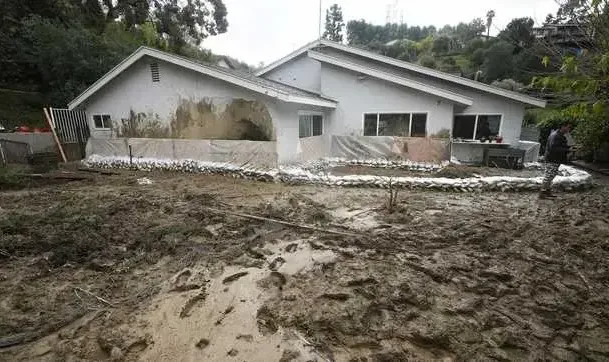
What to do first about cloudburst and flash flood cleanup
- 1
Stay out of moving water
Do not walk through water that may be touching outlets or carrying debris.
- 2
Wait for the storm to pass
Re-enter the basement only when water has stopped rising.
- 3
Keep kids and pets away
Outside runoff is contaminated; keep everyone out of it.
- 4
Photograph the waterline
Shoot the high-water mark on walls before anything is moved.
What does cloudburst and flash flood cleanup cost in Midvale, UT?
Cloudburst and flash flood cleanup in Midvale, UT typically runs $3,000 to $15,000, depending on how much finished space the water reached, the removals needed and the square footage.
Garage or unfinished space
$1,500 to $4,500
- Pump-out
- Disinfection
- Slab drying
Finished basement room
$4,500 to $10,000
- Carpet and pad out
- Flood cuts
- Antimicrobial
Whole lower level
$10,000 to $25,000+
- Full removals
- Air scrubbers
- Extended drying
Ranges are typical, never a quote: the water category, the square footage, the material class and how fast drying started move the number most. For a planning figure, try the water damage cost calculator.
Utah storms are short and heavy. A summer cloudburst can drop more rain in an hour than yards and storm drains can take, and runoff heads for the lowest point, which in Midvale is usually a basement window well, a walkout door or the garage. Little Cottonwood Creek adds a second risk in snowmelt season, with significant flooding recorded in 1983 and 2010.
Why storm water is handled as Category 3
Outside water carries soil, fertilizer, street runoff and sometimes sewage from overloaded drains. It is treated as Category 3 from the start.
- The crew works in PPE and pumps deep water first.
- Carpet, pad and drywall the water touched are removed.
- Surfaces are cleaned and treated with an EPA-registered antimicrobial.
- Structural drying runs until readings reach the dry goal.
Garages, walkouts and basement doors
Storm water that comes in at grade spreads under the bottom plate of finished walls and into storage. The tech maps moisture past the visible waterline, because water wicks higher in drywall than it stood on the floor. Basements that took water through a well are covered on the window well flooding cleanup page.
Coverage and warnings
Outside surface water usually needs flood coverage rather than a standard homeowners policy; Ready.gov flood safety explains how to prepare and recover, and the National Weather Service Utah flood page explains flash flood warnings.
How cloudburst and flash flood cleanup is handled
Each step follows the IICRC S500 drying standard and leaves a record for the claim file. Equipment stays until the readings say dry.
- 1
Contain and pump
PPE on, submersible pumps for deep water.
- 2
Remove
Contaminated carpet, pad and drywall cut out.
- 3
Treat
EPA-registered antimicrobial on every surface touched.
- 4
Dry and verify
Air movers and LGR until readings say dry.
Cloudburst and flash flood cleanup across Midvale and Salt Lake County
Midvale Water Damage Restoration covers ZIP 84047, from historic Main Street and the Jordan River side east across the I-15 corridor to Fort Union, with Bingham Junction, State Street and the homes along Little Cottonwood Creek in between.
Nearby coverage reaches Murray, Taylorsville, Cottonwood Heights, Holladay, West Jordan, Sandy, South Jordan, Millcreek.
Cloudburst and Flash Flood Cleanup questions in Midvale
Still dealing with it?
Storm runoff in the basement or garage? The crew pumps it, removes what it soaked and disinfects.
(888) 558-4812 Ask about storm water cleanupIs cloudburst and flash flood cleanup different from a pipe leak?
Yes. Outside water is Category 3, so porous materials it touched are removed and surfaces are disinfected before drying. Clean pipe water can often be dried in place.
Does homeowners insurance cover storm runoff in the basement?
Rising outside water is usually excluded from standard homeowners policies and needs flood coverage. Water from a roof leak in the same storm may be handled differently. Check your own policy.
How high up does drywall need to be cut after storm water?
Usually a little above the highest wet reading, which is often higher than the waterline because drywall wicks water upward.
Can a finished basement be saved after flash flooding?
The framing, concrete and many hard surfaces can be cleaned and dried. Carpet, pad, insulation and drywall that the water touched are removed and replaced later.
How long does flash flood cleanup take?
Pump-out and removals usually happen in the first visit or two. Drying after removals often runs three to six days, longer for concrete walls.
Cloudburst flooded a Midvale basement? Get it pumped out safely.
Outside water carries soil and bacteria into everything porous. A crew in PPE removes it, treats the surfaces and dries the structure.