Water Damage Restoration Taylorsville, UT
Flooded lower levels, burst pipes, sewage backups and failed water heaters get a crew that pulls the water out first, then dries the structure and keeps the readings for the insurer.
(888) 558-4812 Request a drying crew for my home- Water out first
- Rooms mapped for moisture
- Readings kept for claims
Water and sewage losses only, handled with photos and meter readings that an insurance adjuster can follow.
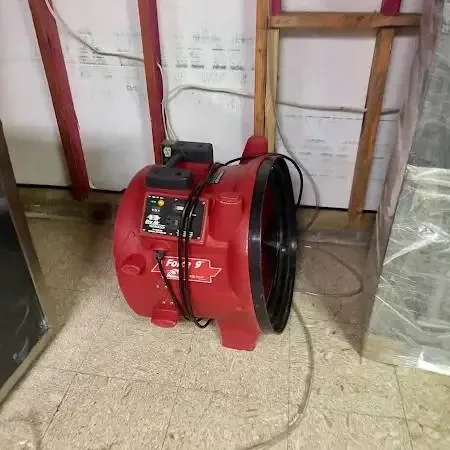
Twelve kinds of water loss, one drying crew
Each kind of loss below has its own first steps, typical costs and drying plan, matched to the source and to the materials the water reached.
Inside the home
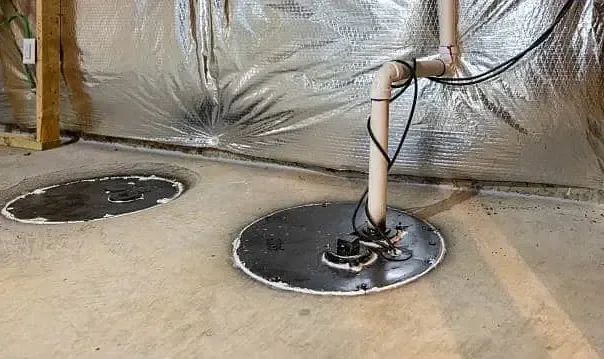 Basement Flooding Cleanup Standing water in a lower level is pumped out, then walls and floors are opened and dried. View service
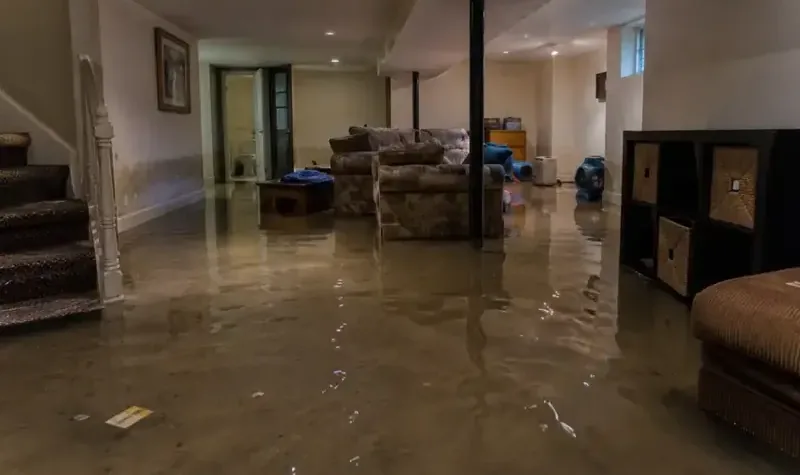 Window Well Flooding Cleanup Water that spills over a window well sill is pumped out before it spreads under finished flooring. View service
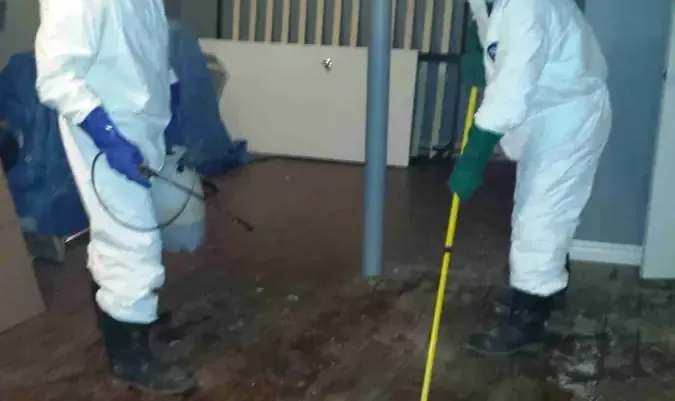 Sewer Backup Cleanup Sewage from a floor drain is removed in protective gear and everything it touched is disinfected. View service
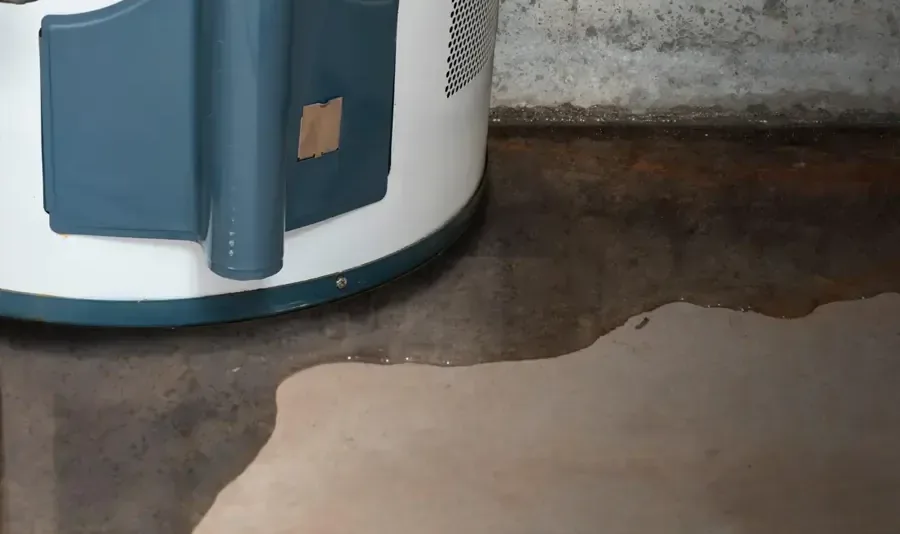 Water Heater Failure Cleanup A split tank floods the utility room, then creeps toward carpet, so extraction starts at the tank. View service
Weather, buildings and businesses
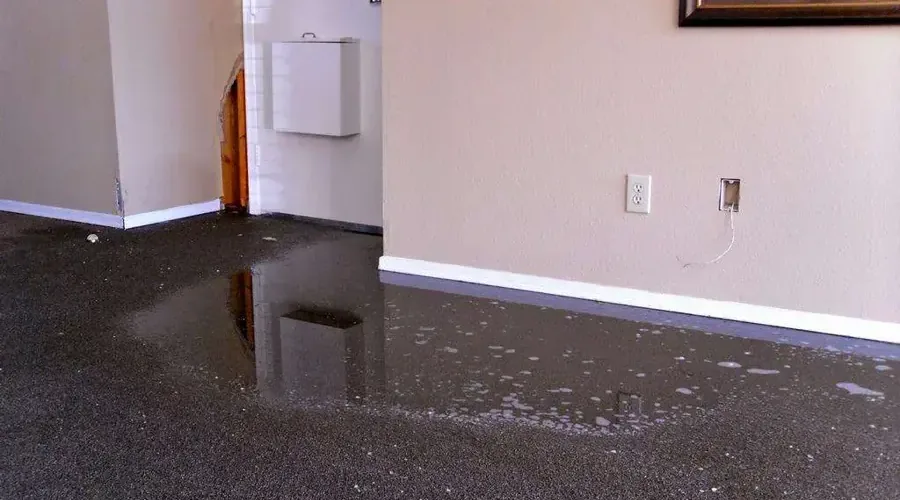 Water Extraction and Removal Truck-mounted and portable pumps pull standing water out of carpet, pad and flooring.
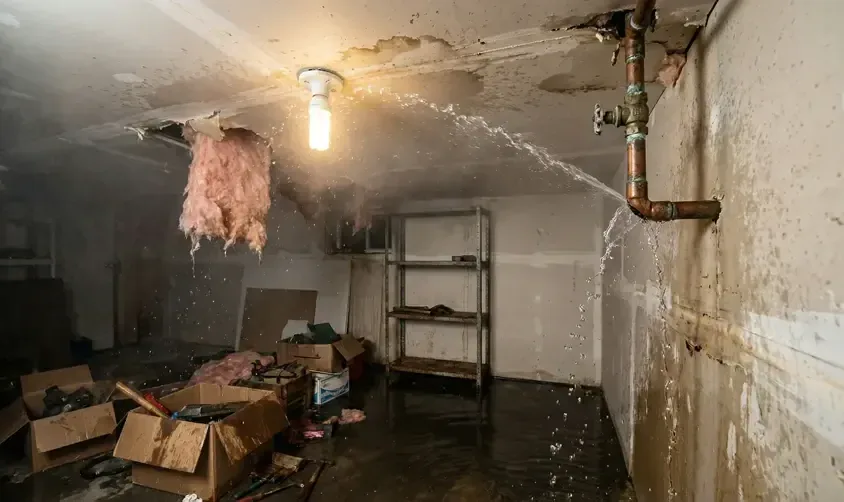 Burst Pipe Cleanup A burst pipe soaks walls and ceilings fast, so the supply is shut off and wet drywall is dried or cut out.
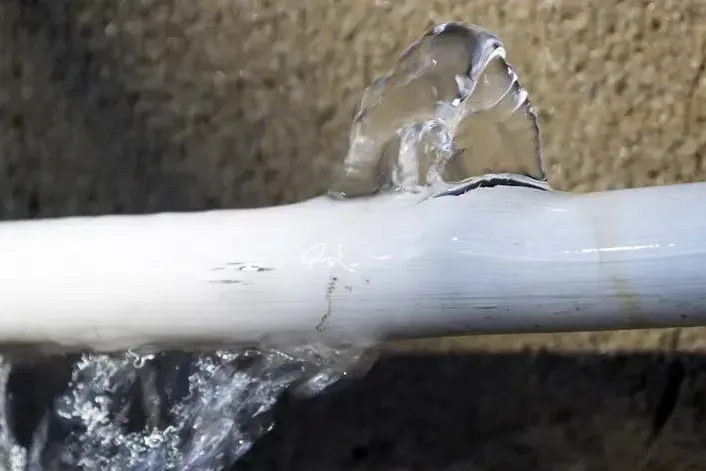
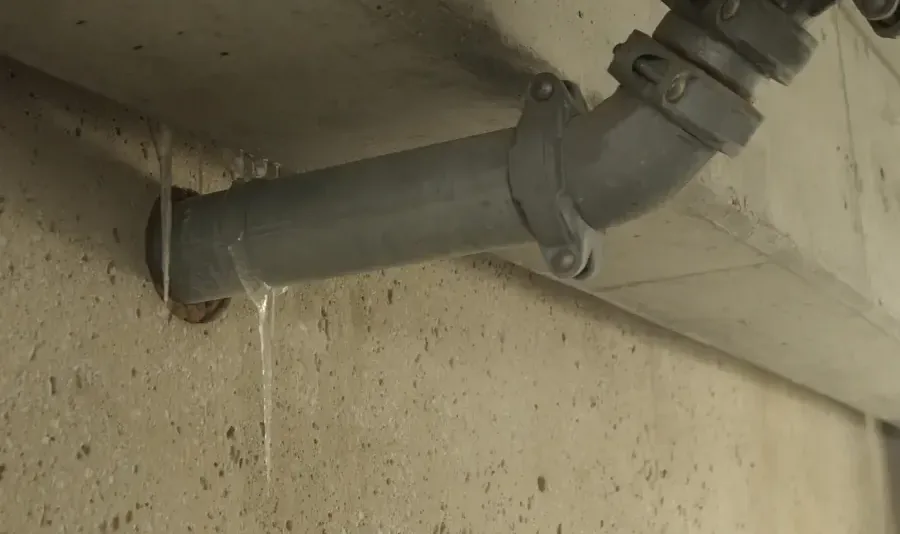 Frozen Pipe Cleanup A pipe cracked by a hard freeze releases its water at the thaw, often inside a wall.
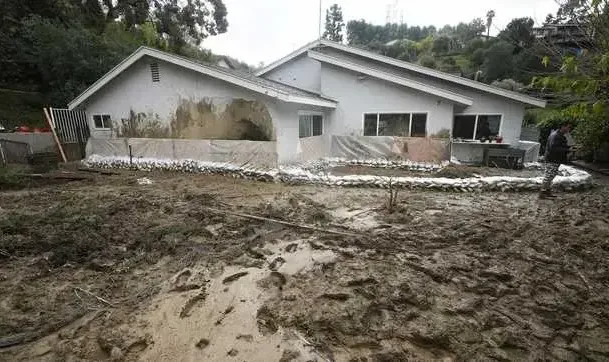 Cloudburst and Flash Flood Cleanup Heavy rain that runs into a garage or lower level is extracted and the soaked materials are sorted.
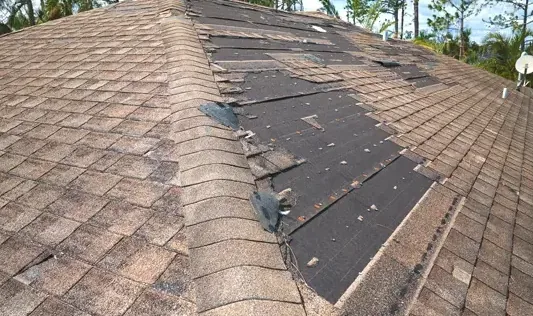 Roof Leak and Ice Dam Water Damage Melting snow and ice dams push water into attics and ceilings, where insulation holds it against framing.
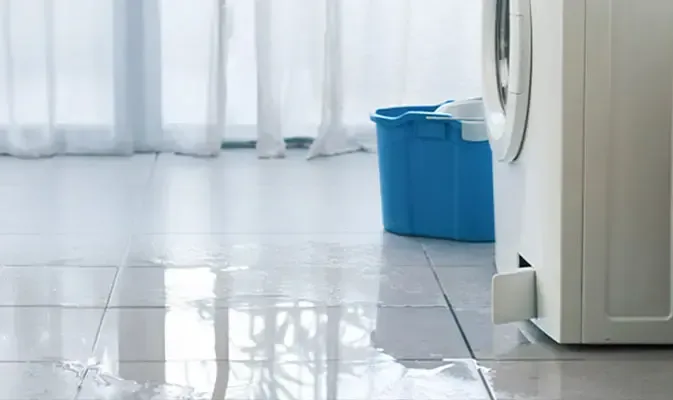 Appliance and Supply Line Leaks A washer hose, dishwasher or fridge leak wets floors and cabinets, and sometimes the unit below.
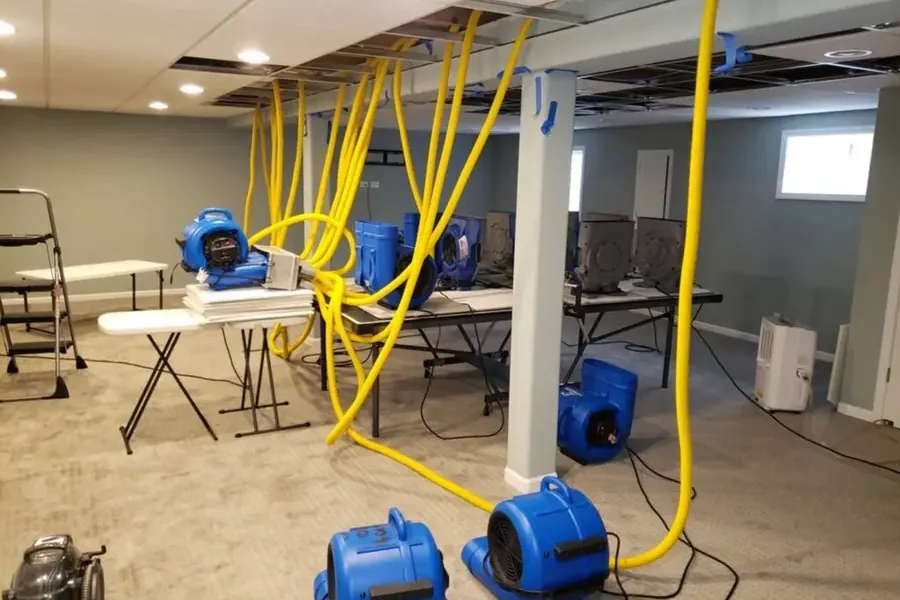 Structural Drying and Dehumidification Air movers and dehumidifiers dry framing, subfloors and wall cavities until readings match a dry reference.
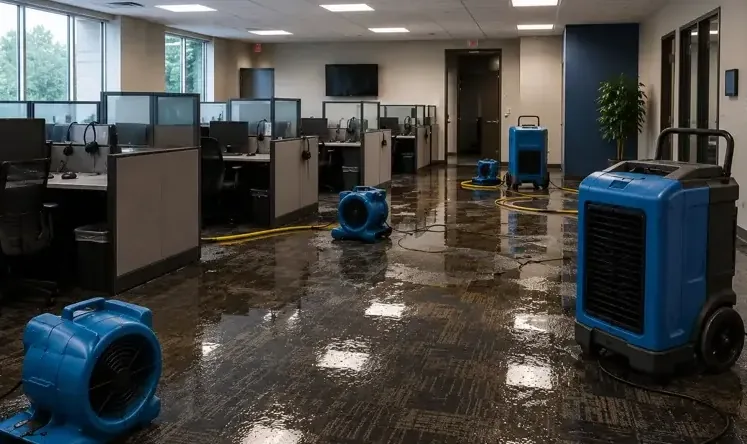 Commercial Water Damage Shops, offices and apartment buildings get drying plans that let tenants keep working around the equipment.
Drying that is measured, not guessed
The restoration team starts with extraction and moisture mapping, sets equipment to the water category and logs readings at every visit so the finish is documented.
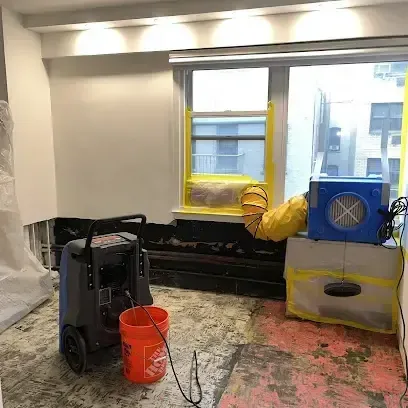
Extraction first
Standing water comes out before drying equipment goes down, because pumped water can no longer soak into pad, drywall or subfloor.
Moisture mapping
Meters and a thermal camera find where the water traveled behind walls, so the setup covers the whole wet area and not just the visible stain.
Daily readings
Moisture readings are logged at each visit, and equipment stays until wet materials read close to an unaffected reference.
Water and sewage only
The scope is water and sewage losses, which keeps the equipment, the process and the crew focused on one kind of loss.
What to do right away after water appears
- 1
Stop the water
Close the main shutoff or the valve at the failed fixture. If the source is a drain, stop using every sink and toilet.
- 2
Switch off power
Turn off breakers for wet rooms only if the panel is dry. Stay out of standing water that touches outlets or cords.
- 3
Photograph everything
Take wide and close photos of the water, the source and damaged belongings before anything moves, for the insurance claim.
- 4
Lift what you can
Raise rugs, cords and small furniture off wet floors, and slide wood blocks under heavy legs.
- 5
Call a restoration crew
Describe the source, the wet rooms and the floor type so the right pumps and dehumidifiers are loaded.
Dry means measured, level by level, source to finish
A cosmetic fix and a finished dry-out look the same on day one. The difference is order: the response team follows the water from its entry point through every level it touched, then records proof of dryness.
- 1
Map the moisture
Meters and a thermal camera trace how far the water traveled, behind baseboards and under flooring, before any equipment is placed.
- 2
Extract
Pumps and extraction tools pull standing water and press it from carpet pad so it leaves the building.
- 3
Dry the structure
Air movers and dehumidifiers run room by room, with extra measures for dense materials that hold moisture longer.
- 4
Verify
Equipment stays until wet materials read close to a dry reference, and the readings are written down.
- Water category sets the plan
- Structure dried, not just surfaces
- Readings decide when to stop
What water damage restoration costs here
Most jobs land in one of three bands. One wet room with clean water runs $1,200 to $3,000, a room plus the ceiling or floor below runs $3,000 to $7,500, and a whole level or sewage loss reaches $7,500 to $18,000+.
One room, clean water
$1,200 to $3,000
- Extraction
- Meter mapping
- Air movers placed
Room plus ceiling or floor below
$3,000 to $7,500
- Wet drywall removed
- Dehumidifiers running
- Daily readings
Whole level or sewage
$7,500 to $18,000+
- Category 3 removal
- Antimicrobial treatment
- Extended drying
Final pricing follows the water category, the wet square footage, the materials involved and how quickly extraction starts, and a scope check by the crew confirms the number.
Equipment on the drying truck
- Dated photos of the source and every wet room
- Moisture readings taken at each visit
- Itemized list of materials removed and why
- Equipment logs showing what ran and for how long
- A written note of the water category
What an adjuster wants to see
Insurers pay on evidence, so the crew documents the source, the affected rooms and the drying progress as the work happens instead of after.
If you file the claim yourself
Call the insurer early, describe the loss plainly and ask what the policy says about water from a sudden pipe or appliance failure versus a slow leak or seepage.
Keep damaged items until the adjuster has seen or photographed them, and save receipts for emergency repairs or hotel stays.
Why the water category sets the scope
Category 1, clean water
A supply pipe, a tank or a faucet that failed. Clean water is extracted and dried in place when drying starts early.
Burst pipe cleanupCategory 2, gray water
Washer or dishwasher discharge, or clean water that sat too long. Soaked pad and some porous materials are removed.
Appliance leak cleanupCategory 3, black water
Sewage or outdoor runoff. Porous materials the water reached are removed and the surfaces are disinfected.
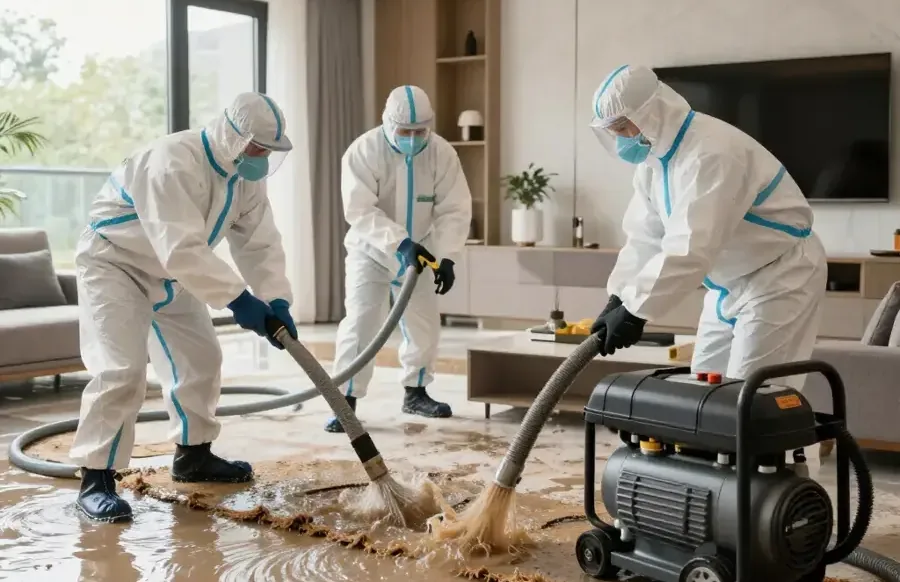
Sewer backup cleanupWhat water damage looks like before and during drying
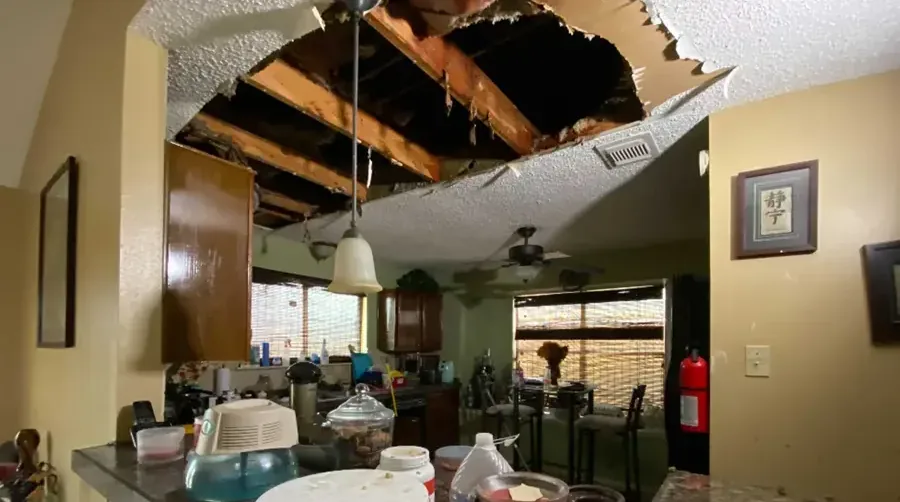
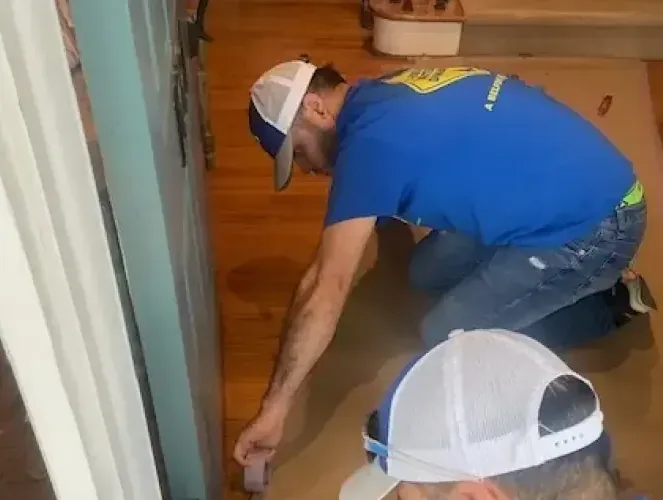
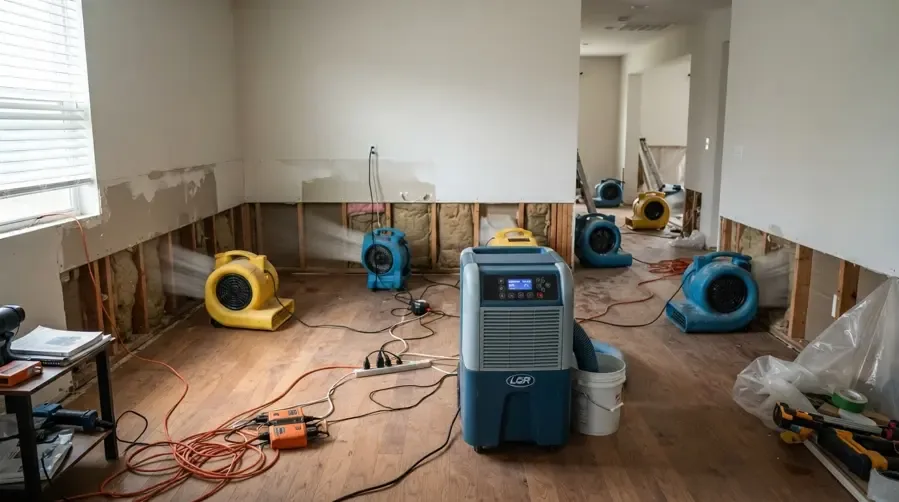
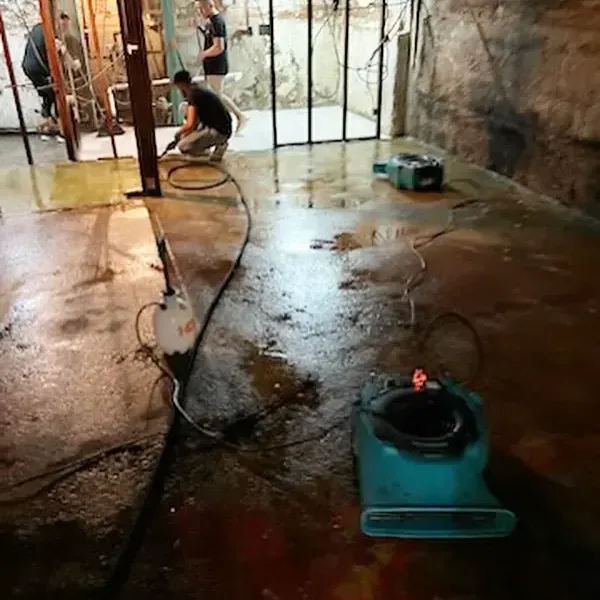
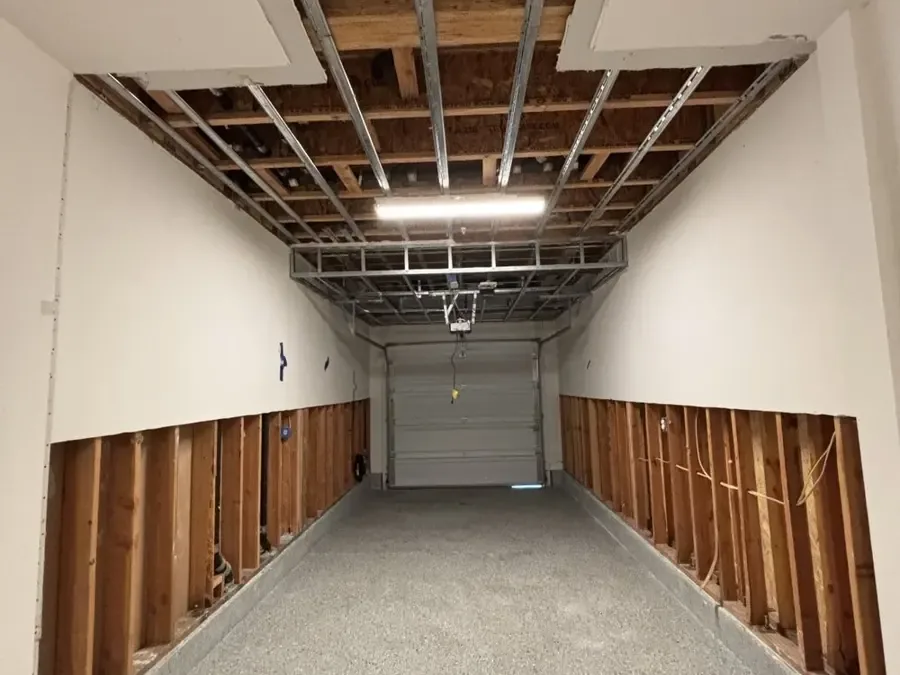
Water damage restoration across Taylorsville and the valley
From Bennion Hill to Redwood Road, any hour of the day
The restoration team covers the whole city, including the Redwood Road retail center, the streets around Bennion Hill and the residential blocks near Interstate 215 and Bangerter Highway.
The first questions are which level is wet and what the source is, because those answers set the pumps and dehumidifiers loaded on the truck.
- (888) 558-4812
- Dispatch around the clock, holidays included
- [email protected] (non-urgent questions)
Neighborhoods and corridors
- Redwood Road
- Interstate 215
- Bangerter Highway
- Bennion
- Bennion Hill
- Summit Vista
- Plymouth View Senior Housing
- Salt Lake Community College Redwood campus
Nearby cities
What puts Taylorsville homes at risk of water damage
Salt Lake Valley winters bring hard freezes and heavy snow, and spring melt runs through the Jordan River watershed. Add homes mostly built from 1970 to 1999, and water finds several ways in.
- Hard freezes Valley winters can drop to minus 30 degrees Fahrenheit, and a pipe that freezes and splits inside a wall floods the structure the moment it thaws.
- Snow and thaw Heavy snow that melts quickly can push water past roof edges and ice dams into attics, then down through ceilings and wall cavities.
- Aging homes The median home here was built in 1981, so fixtures, hoses and supply connections have had decades to wear and let go.
- Shared buildings About 5,289 homes sit in buildings with several households, so a leak in one unit can reach a neighbor's ceiling or floor.
- Rain on a lower floor Even a modest storm can flood a bottom floor, as the July 2013 apartment loss showed, so storm water needs extraction and drying.
July 4, 2013 KSL reported that about 1/2 inch of overnight rain flooded a Taylorsville apartment building's bottom floor, reaching about 24 apartments and displacing 75 people.
Taylorsville water damage questions
Water in the house right now?
Stop the source if it is safe, keep clear of outlets and photograph the damage. A restoration pro can explain what to move and what to leave alone.
(888) 558-4812 Reach a restoration proHow soon does water damage need to be dried?
Water keeps spreading into drywall, insulation and subfloor for as long as it sits, and within a day or two damp materials can start to grow mold. Extraction and drying should begin as early as possible.
What does water damage restoration cost in Taylorsville?
Costs fall into three bands, from $1,200 to $3,000 for a single wet room up to $7,500 to $18,000+ for a whole level or a sewage loss, depending on the water category and the materials.
Does homeowners insurance cover a burst pipe?
Policies often cover sudden events such as a burst pipe or a failed appliance, while slow leaks and seepage are often excluded. The policy language decides, so ask the insurer early and keep photos and readings.
Who is responsible for a sewer backup?
It depends on where the blockage sits. Taylorsville and Bennion formed their own water and sewer district, and a plumber can show whether the clog is in the private pipe or beyond it. The restoration crew handles the sewer backup cleanup either way.
Can wet carpet be saved?
Clean water caught early often leaves carpet and pad salvageable after extraction and drying, while carpet that sat in gray or sewage water is usually removed because it cannot be cleaned reliably.
What should I do first if a water heater fails?
For a failed water heater, shut off the cold supply to the tank and the power or gas to the heater, then keep clear of the wet floor. About 30.1% of occupied homes here are rented, so tenants should also tell the landlord.
Do apartment buildings need different handling?
Water travels between units through ceilings, floors and wall cavities, so the crew checks the unit below and beside the source. The building owner or manager should be told right away.
How long does drying usually take?
Drying time depends on the materials, the class of the loss and how much water reached them. The crew sets a plan from meter readings and removes equipment only when wet materials read close to dry.
Why are fans and dehumidifiers left running?
Air movers lift moisture off surfaces and dehumidifiers pull it from the air. Running both is how wall cavities and subfloors dry out, and pulling the equipment too soon leaves moisture behind.
Which parts of town does the crew cover?
The crew covers all of Taylorsville, from the Redwood Road retail center and the Bennion Hill streets to the blocks near Interstate 215, including ZIP codes 84129 and 84123.
Water on the floor in Taylorsville? Get a restoration crew moving.
Every hour of standing water soaks deeper into pad, drywall and framing. Call now and a restoration pro will walk through the next steps.