Structural Drying and Dehumidification in Taylorsville, UT
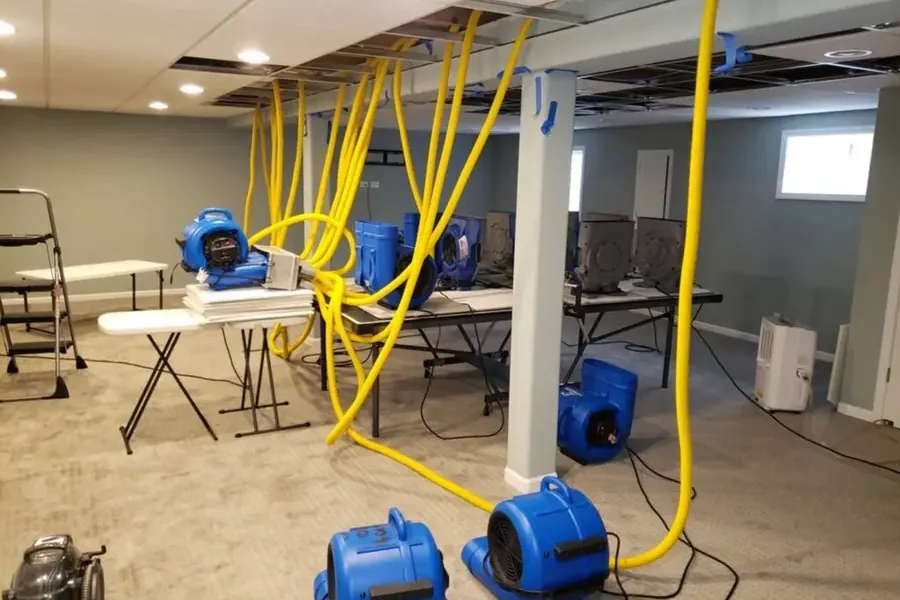
With the standing water out, moisture remains in the studs, subfloors and wall cavities. The drying team places air movers and dehumidifiers and reads the meters until every material is fully dry.
(888) 558-4812 Start the structural dry-out- Equipment sized by class
- Wall cavities dried
- Readings end the job
What to do first about structural drying and dehumidification
- 1
Keep the area closed
Close doors to the wet rooms so the equipment dries them instead of the whole home.
- 2
Leave the equipment running
Air movers and dehumidifiers work around the clock, and turning them off restarts the clock.
- 3
Open furniture and cabinet doors
Air reaching surfaces and cavities speeds drying.
- 4
Keep a log
Note when equipment was set and any odors, for the insurer.
What does structural drying and dehumidification cost in Taylorsville, UT?
Drying cost follows the number of rooms, the materials and the class of the loss. One room runs $1,200 to $2,800, and a whole level or a Class 4 loss reaches $6,000 to $12,000+.
One room dry-out
$1,200 to $2,800
- Air movers placed
- Dehumidifier running
- Meter checks
Several rooms
$2,800 to $6,000
- Cavity drying
- More equipment
- Monitoring visits
Whole level, Class 4
$6,000 to $12,000+
- Desiccant units
- Subfloor drying
- Extended drying
Ranges are typical, never a quote: the water category, the square footage, the material class and how fast drying started move the number most. For a planning figure, try the water damage cost calculator.
A room can look dry within a day while the studs, the bottom plate and the subfloor stay wet. Structural drying is the stage that reaches those layers, using air movement and dehumidification in place of surface cleanup.
Why a wet building needs more than cleanup
KSL reported that the July 2013 rain put at least 3 to 4 inches of water in about 24 Taylorsville apartments. Water at that depth reaches walls, pad and floor structure, so the drying equipment, not just extraction, decides how the building recovers.
How the equipment is set
The category of the water and the size of the loss drive the setup, not a fixed formula.
- Air movers sweep moisture off floors and wall bases.
- Dehumidifiers condense that vapor so it leaves the room as water.
- Desiccant units are added for dense materials that release moisture slowly.
- Small holes or opened bases let air reach wall cavities.
When the job counts as finished
Equipment comes out only when readings on wet materials sit close to an unaffected reference. The crew compares each room to a dry area of the same material and records the numbers. Extraction comes first under water extraction, and a business loss follows the phased approach in commercial water damage.
How structural drying and dehumidification is handled
Each step follows the IICRC S500 drying standard and leaves a record for the claim file. Equipment stays until the readings say dry.
- 1
Plan
The category and class of the loss set the equipment.
- 2
Stage
Equipment is placed room by room.
- 3
Monitor
Meters are read on each visit and equipment is adjusted.
- 4
Remove
Equipment leaves once the readings hold.
Structural drying and dehumidification across Taylorsville and nearby communities
The drying team works in houses, apartment buildings and shops near Redwood Road, around Bennion and Bennion Hill, along Bangerter Highway and Interstate 215, and throughout ZIP codes 84129 and 84123, wherever walls stay wet.
The same service nearby: structural drying and dehumidification in Midvale, Murray, West Jordan.
Water damage restoration in Taylorsville · every town covered
Structural Drying and Dehumidification questions in Taylorsville
Still dealing with it?
Water out but the walls still wet? The drying team sets equipment and reads the meters until it is done.
(888) 558-4812 Ask about the drying planHow long will the equipment run?
It runs until the readings on the wet materials are close to an unaffected reference. That depends on the materials, the class of the loss and how much water reached them.
Why does the dehumidifier make the room feel hot?
Dehumidifiers release heat as they remove moisture, and the warm, dry air helps materials release water. The heat is a normal part of the process.
Can I use the home while it dries?
Usually yes. The equipment is loud and uses floor space and power, so the team plans its layout and circuits with you.
What if the surface looks dry but the wall is not?
A meter and thermal camera read what the eye cannot see. If a wall cavity still reads high, drying continues until it reaches the reference.
Is drying after extraction always necessary?
Yes. Extraction removes liquid water but not what soaked into drywall, framing and subfloor, which stays wet without drying.
Need the structure dried properly? Start the dry-out now.
Damp framing and subfloor can bring odors and swelling days later. The mitigation team dries them to a measured standard and records the readings.