Basement Flooding Cleanup in Taylorsville, UT
When water reaches a lower level, the restoration team pumps out what is standing, opens soaked walls and floors, and dries the structure with equipment set by moisture readings.
(888) 558-4812 Get the water pumped out now- Pump-out before drying
- Walls opened where wet
- Moisture logged each visit
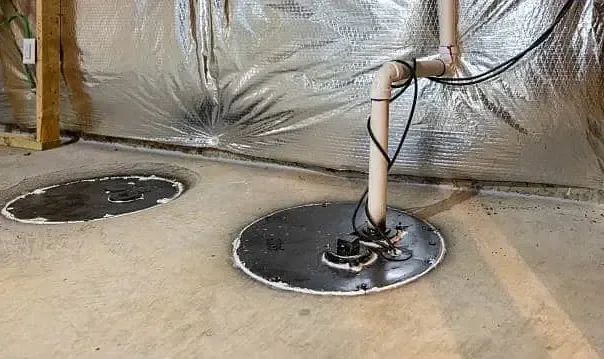
What to do first about basement flooding cleanup
- 1
Stop the source
Close the main shutoff or the failed fixture valve, and stop using drains if water came up from one.
- 2
Shut off power to wet areas
Switch off lower-level breakers only if the panel is dry, and stay out of standing water near outlets.
- 3
Photograph the damage
Take wide and close photos of the high-water mark, the source and stored items first.
- 4
Move belongings up
Lift boxes, rugs and electronics onto shelves or blocks so they stop wicking moisture.
What does basement flooding cleanup cost in Taylorsville, UT?
Cost follows how much of the lower level is wet, clean water or sewage, and the finishes. Unfinished space with clean water runs $1,800 to $4,500, and a whole finished basement $9,500 to $22,000+.
Unfinished basement, clean water
$1,800 to $4,500
- Pump-out
- Drying equipment
- Daily readings
Finished basement room
$4,500 to $9,500
- Carpet and pad removal
- Baseboards off
- Antimicrobial
Whole finished basement or Category 3
$9,500 to $22,000+
- Drywall cut-out
- Contents moved
- Extended drying
Ranges are typical, never a quote: the water category, the square footage, the material class and how fast drying started move the number most. For a planning figure, try the water damage cost calculator.
A flooded lower level is rarely a single problem. Water settles into carpet pad, the bottom of the walls, the edge of the slab and anything stored on the floor, and each of those dries on its own schedule. Most homes here were built between 1970 and 1999, so the response team plans for decades-old finishes and fixtures rather than a new build.
What the pump-out and opening-up stage involves
The crew stops the source if it is still running, then sets pumps and wet vacuums to take down standing water before drying equipment goes in. Pulling water first keeps it from soaking further.
- The water category is checked first, because sewage or runoff changes which materials can stay in place.
- Baseboards come off and small holes are cut so meters and a thermal camera can find moisture inside the walls.
- Soaked pad, insulation and swollen drywall are removed and bagged.
- Air movers and dehumidifiers go up once the wet materials are exposed.
Why finished lower levels cost more
A finished room has more to dry and more to lose: carpet, pad, trim, drywall and sometimes a ceiling below. Bare concrete and block mostly need extraction and time. The mix of finishes is the biggest swing factor in the final bill, and sewage adds disposal and disinfecting.
When to call a crew right away
Call as soon as water stands on the floor, a drain backs up or a pump stops running. Hours matter because wet drywall wicks upward and insulation holds water against the framing. Related work such as structural drying for the walls, or sewer backup cleanup when the water came from a drain, is handled by the same restoration team, with photos and readings kept for the insurer.
How basement flooding cleanup is handled
Each step follows the IICRC S500 drying standard and leaves a record for the claim file. Equipment stays until the readings say dry.
- 1
Extract
Pumps and wet vacuums take down standing water first.
- 2
Open and map
Baseboards come off and meters find hidden moisture.
- 3
Dry the structure
Air movers and dehumidifiers run with the wet materials exposed.
- 4
Verify
Readings are logged until wet materials match a dry reference.
Basement flooding cleanup across Taylorsville and nearby communities
The crew covers the residential streets around Bennion Hill and Redwood Road, the blocks near Interstate 215 and Bangerter Highway, and the homes in ZIP codes 84129 and 84123, wherever a lower level has taken on water.
The same service nearby: basement flooding cleanup in Midvale, Murray, West Jordan.
Water damage restoration in Taylorsville · every town covered
Basement Flooding Cleanup questions in Taylorsville
Still dealing with it?
Water in the lower level of your home? Start the pump-out and drying before the moisture reaches the framing.
(888) 558-4812 Ask about a pump-out planHow quickly should basement water come out?
As soon as it can be done safely. Water wicks up drywall and into insulation and framing, and damp materials can begin to grow mold within a day or two, so pump-out and drying start together.
Can finished flooring be saved after a flood?
Hardwood and laminate sometimes survive clean water if drying starts early. Carpet pad is usually removed, and flooring that sat in sewage or storm runoff is typically replaced.
Is a failed sump pump a covered loss?
Coverage varies by policy. Many homeowner policies exclude water that rises from the ground or backs up unless an endorsement is added, so the adjuster reads the policy wording before deciding.
Is it safe to walk into a flooded basement?
Not until the power is checked. Standing water can touch outlets and cords, and sewage or runoff carries bacteria, so wear boots and gloves and stay out until the circuits are off.
What happens to drywall that got wet?
Drywall that wicked clean water is sometimes dried in place. Drywall that sat in gray or sewage water, or that swelled, crumbled or peeled, is cut out and replaced.
Are dehumidifiers still needed once the water is gone?
Yes. Surface-dry walls and slabs still hold moisture, and dehumidifiers pull it from the air and materials until meter readings match the unaffected areas.
Lower level under water? Get a drying crew rolling.
Each hour of standing water pushes moisture deeper into drywall and framing. The extraction crew removes it first, then dries what is left.