Basement Flooding Cleanup in Murray, UT
When water covers a basement floor in Murray, the extraction crew pumps it out and sorts what can be dried from what has to go, and the drying team dries the slab, walls and framing to readings.
(888) 558-4812 Lower level flooded? Get the pump-out moving- Pump-out for deep water
- Truck-mounted extraction
- Concrete moisture readings
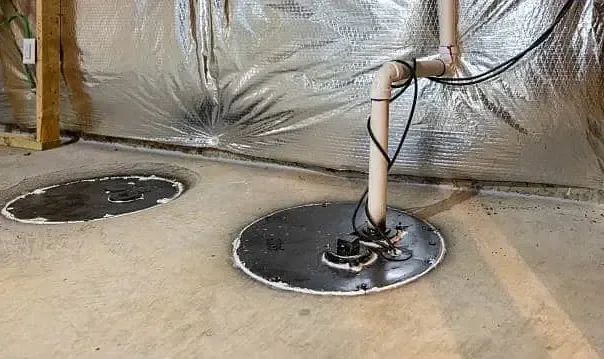
What to do first about basement flooding cleanup
- 1
Close the valve
Turn off the main, or the shutoff at whatever failed, only if you can reach it while standing somewhere dry.
- 2
Leave the breakers alone if wet
Switch off lower-floor circuits only when the panel and the floor around you are dry.
- 3
Get belongings upstairs
Carry boxes, devices and anything paper away from the water and onto a dry floor.
- 4
Record it on your phone
Take photos of each wet wall, the floor and damaged items before anything gets moved.
What does basement flooding cleanup cost in Murray, UT?
Basement flooding cleanup here tends to land between $2,500 and $12,000, set by whether the space is finished, the category of the water, the wet square footage and how soon extraction began.
Bare concrete, clean water
$1,800 to $4,500
- Pumping
- Concrete drying
- Logged readings
One finished lower room
$4,500 to $9,500
- Pad and trim pulled
- Drywall opened
- LGR units
Entire lower floor or Category 3
$9,500 to $22,000+
- Contaminated materials out
- Antimicrobial
- Longer drying
Ranges are typical, never a quote: the water category, the square footage, the material class and how fast drying started move the number most. For a planning figure, try the water damage cost calculator.
Water on a lower floor usually comes from one of a handful of places: runoff that reached a window well or a walkout door, a floor drain pushing sewage back up, a tank or washer hose that let go, or a supply line cracked by January cold. Where it came from sets the category, and the category settles what gets dried in place and what gets hauled out.
Sorting the wet materials on a lower level
Deep water goes out through submersible pumps first. Truck-mounted wands then pull what is left in carpet and pad, and the crew starts deciding what stays, which is where most of the bill is set.
- Pad that sat in gray or black water is bagged; carpet wet with clean water often stays.
- Wet drywall is cut a few inches over the highest reading so the cavity can breathe.
- Batt insulation that stayed saturated is pulled from behind finished walls.
- Trim comes off so moving air reaches the bottom plate and the slab edge.
Seasons that send water below grade
Precipitation here peaks from March through May at about 2 inches a month, the same weeks when, as the National Weather Service notes, fast spring warming melts snow onto saturated ground. Summer runs the other way: the driest months bring sudden cloudbursts, and heavy rain on very dry ground rushes toward low spots instead of soaking in.
Concrete is the slow part
A slab and its foundation walls are Class 4 materials, dense enough to hold water well below the surface. The drying team keeps the room sealed, runs LGR units and switches to desiccant drying if concrete numbers stop dropping, with a reading taken each day. The structural drying page explains how those numbers set the end date, and window well flooding cleanup covers water that came in around a basement window.
How basement flooding cleanup is handled
Each step follows the IICRC S500 drying standard and leaves a record for the claim file. Equipment stays until the readings say dry.
- 1
Measure
Meters and thermal imaging show where the water reached.
- 2
Remove water
Pumps for depth, then truck-mounted wands for pad.
- 3
Strip and set up
Ruined pad and drywall out, then air movers and LGR.
- 4
Confirm
Readings each day until slab and walls hit the goal.
Basement flooding cleanup across Murray and nearby communities
The restoration team covers the city from the Jordan River Parkway east through Fireclay and the downtown historic district to Cottonwood West and Highland Drive, including the blocks along both Cottonwood creeks and State Street.
The same service nearby: basement flooding cleanup in Midvale, Taylorsville, Holladay.
Basement Flooding Cleanup questions in Murray
Still dealing with it?
Standing water on the lower floor? The crew pumps it, sorts the wet materials and gets drying underway.
(888) 558-4812 Ask how a basement pump-out worksIs wet carpet worth saving after basement flooding?
Sometimes. If the water was clean and extraction began within a day or two, the carpet itself can often be dried and kept. The pad underneath usually goes, and anything touched by sewage or outdoor runoff is removed.
How many days does basement flooding cleanup run?
The pump-out and extraction normally happen on day one. Drying a finished lower floor tends to run three to six days, and bare concrete can stretch past that. Equipment comes out when readings, not the calendar, say it is dry.
Is basement flooding cleanup something insurance pays for?
It turns on the cause. A burst supply line or a ruptured tank is often covered; slow seepage, outdoor water and sewer backup may need an endorsement or a flood policy. Your own policy wording decides it.
Why cut the drywall a few inches above the waterline?
Gypsum wicks water upward and holds it inside the cavity. Opening a strip above the highest wet reading lets air reach the studs and insulation so they dry instead of staying damp behind paint.
Does outdoor runoff change a basement cleanup?
Yes. Water that came in from outside is treated as contaminated, so more porous material is removed and every surface gets an antimicrobial before the drying equipment starts.
Where does basement flooding cleanup begin?
With measurements. The tech reads walls, floors and framing before setting any equipment, so the plan reaches every damp area, including water hiding under carpet or behind paneling.
Basement under water? Pump it out, then dry it right.
Each hour that water sits drives it further into pad, gypsum and concrete. Pumping comes first, then measured drying.