Water Damage Restoration West Jordan, UT
Water on the floor needs pumps, meters and air movers before drywall and framing soak it up. The restoration team handles pipe breaks, failed water heaters, sewer backups and cloudbursts in homes and shops.
(888) 558-4812 Call a drying crew now- Pump-out and extraction
- Drying with meters
- Sewage cleanup
Residential and commercial losses, from one wet room to a whole lower level, with moisture readings logged at each visit.
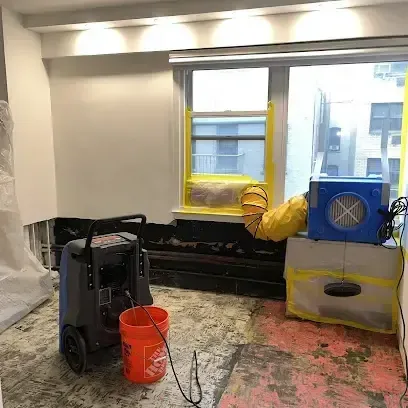
Twelve water damage services for homes and shops
Pick the source that matches the loss. Each service covers extraction, drying and cleanup for that kind of water, with the same moisture mapping behind every job.
Water from inside the house
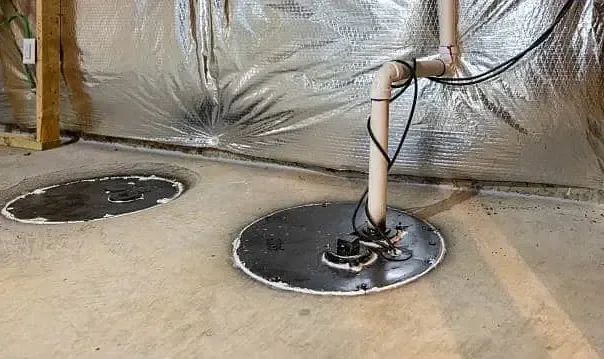 Basement Flooding Cleanup Pump-out, flood cuts and drying for lower levels hit by melt, runoff or a failed sump pump. View service
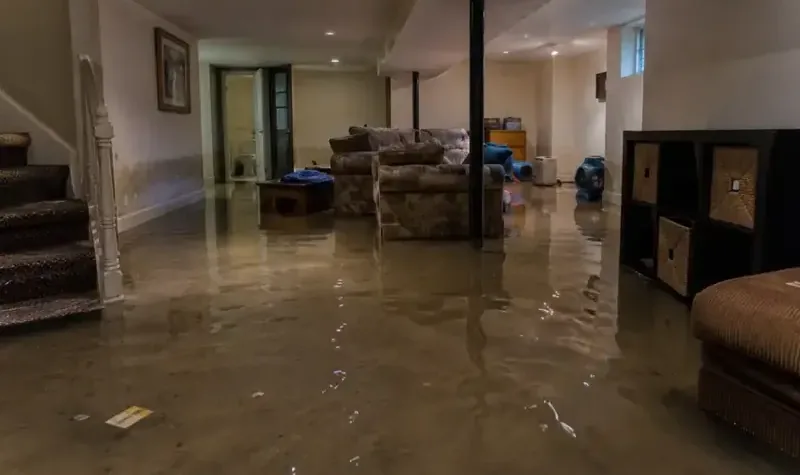 Window Well Flooding Cleanup Water that spills through a below-grade window in a storm or thaw is pumped out and the room dried. View service
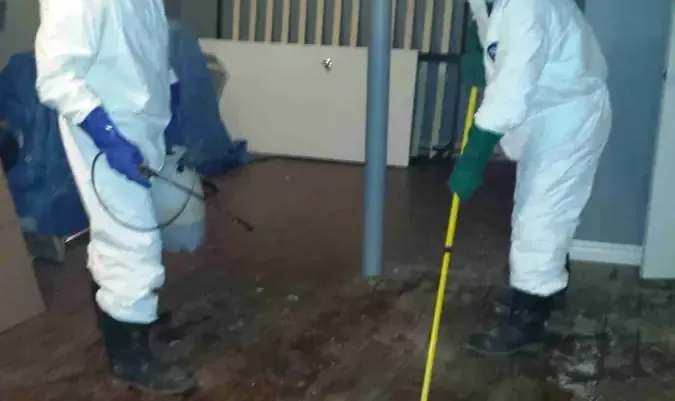 Sewer Backup Cleanup Sewage rising through floor drains is removed in protective gear, and what it touched is disinfected or discarded. View service
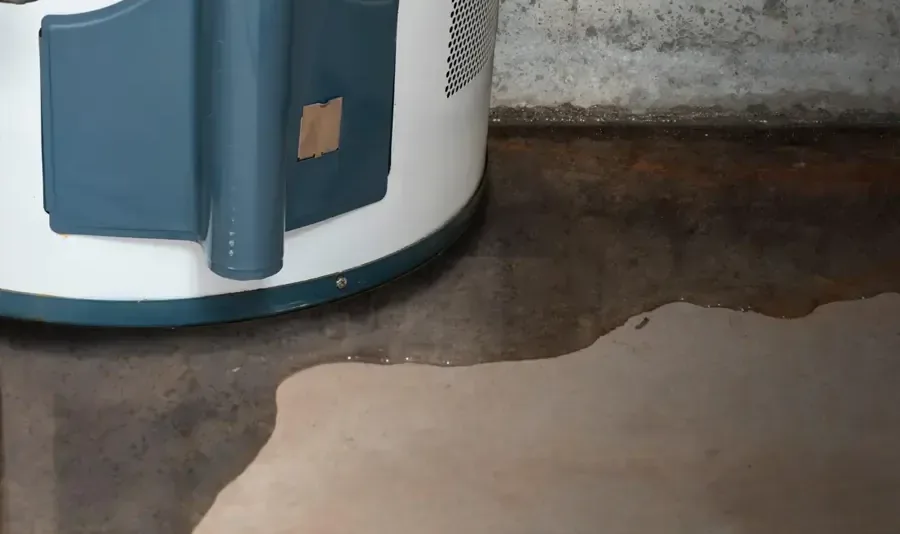 Water Heater Failure Cleanup A split tank or loose fitting can empty gallons across a utility room before it is extracted and dried. View service
Outside water, drying and commercial work
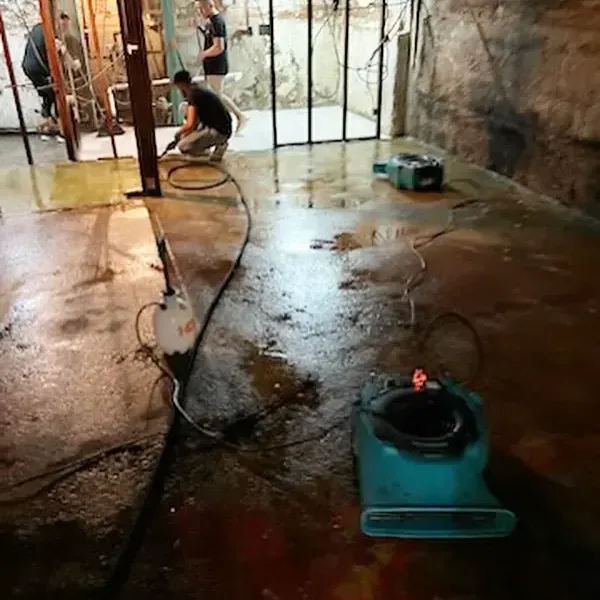
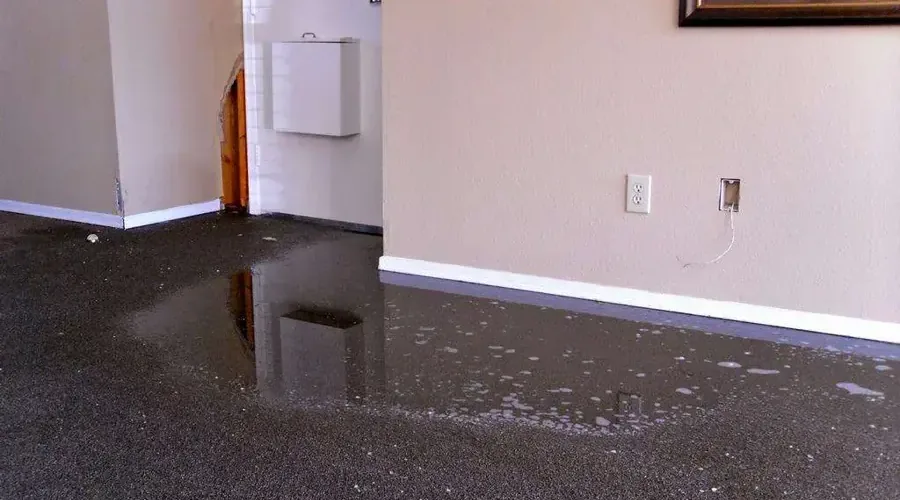 Water Extraction and Removal Truck-mounted and portable extractors pull standing water from carpet, pad and hard floors before it spreads.
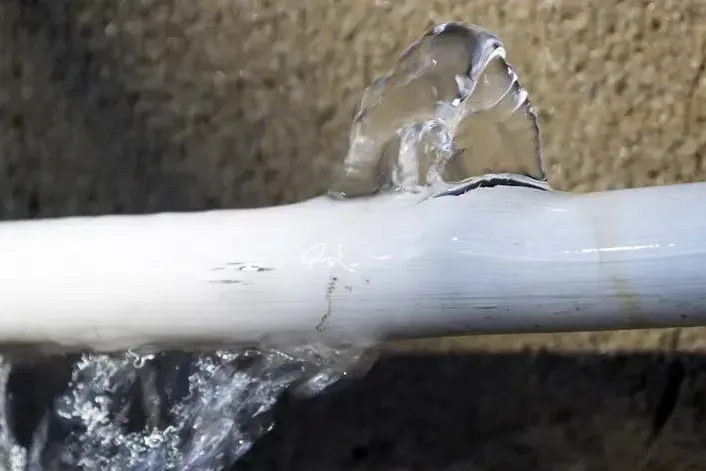
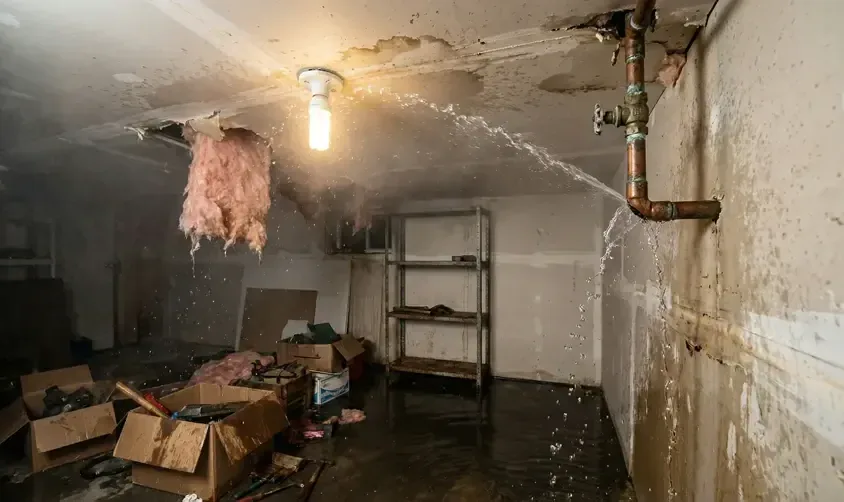 Burst Pipe Cleanup A pipe that splits in a wall or ceiling soaks several rooms, so wet materials are opened and dried.
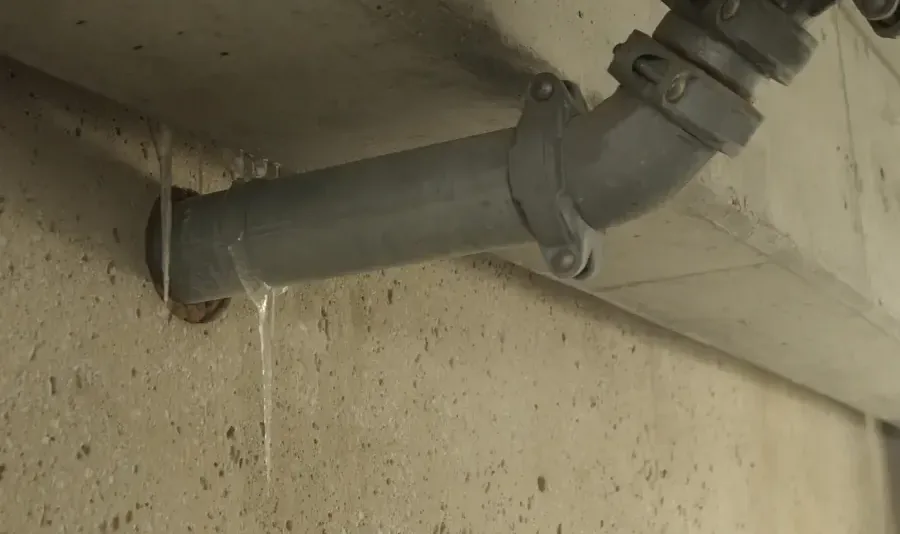 Frozen Pipe Cleanup Cracked pipes that thaw into walls leave hidden damage, which meters and a thermal camera map and dry.
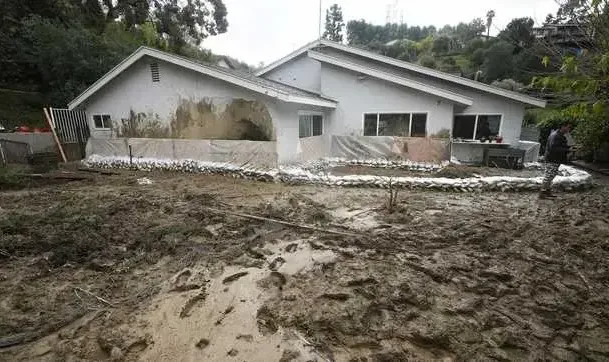 Cloudburst and Flash Flood Cleanup Cloudbursts and fast runoff push muddy water into garages and lower levels, where it is extracted and sanitized.
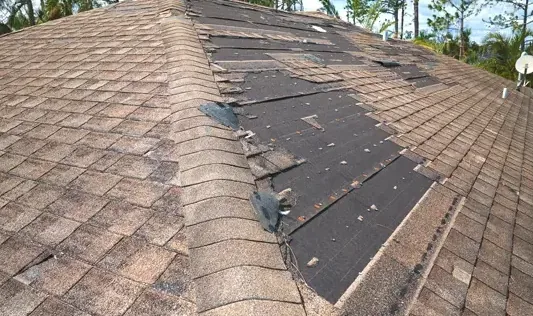 Roof Leak and Ice Dam Water Damage Snowmelt, ice dams and storm leaks soak attics and ceilings, and wet insulation is removed and dried.
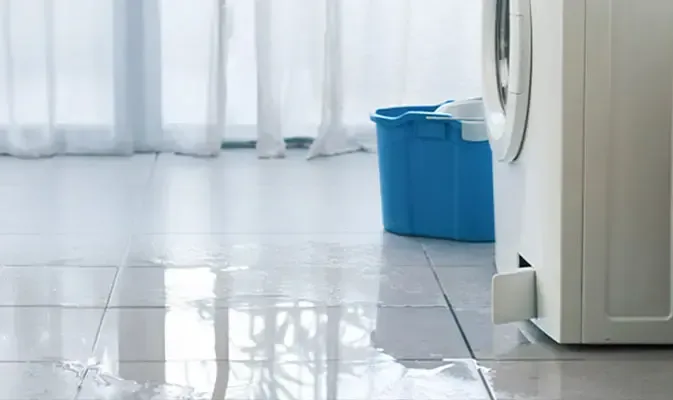 Appliance and Supply Line Leaks Washer, dishwasher and refrigerator hose leaks soak floors and cabinets, so subfloors are checked and dried.
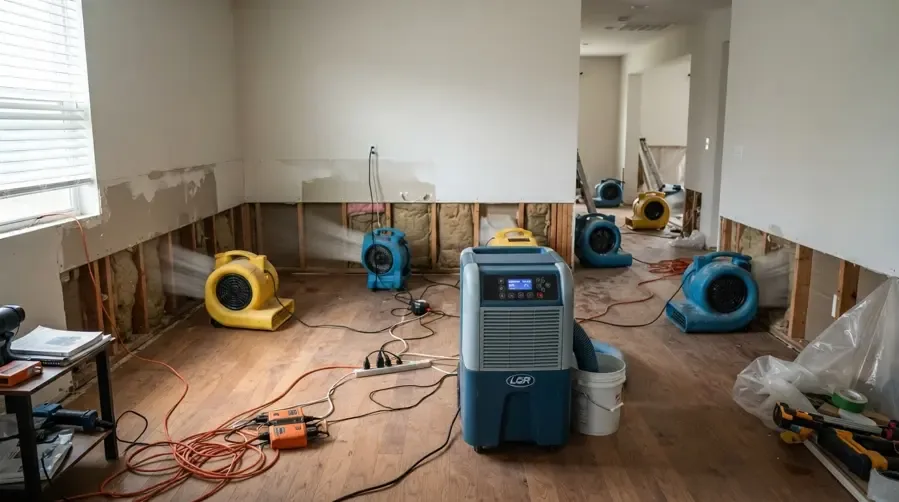
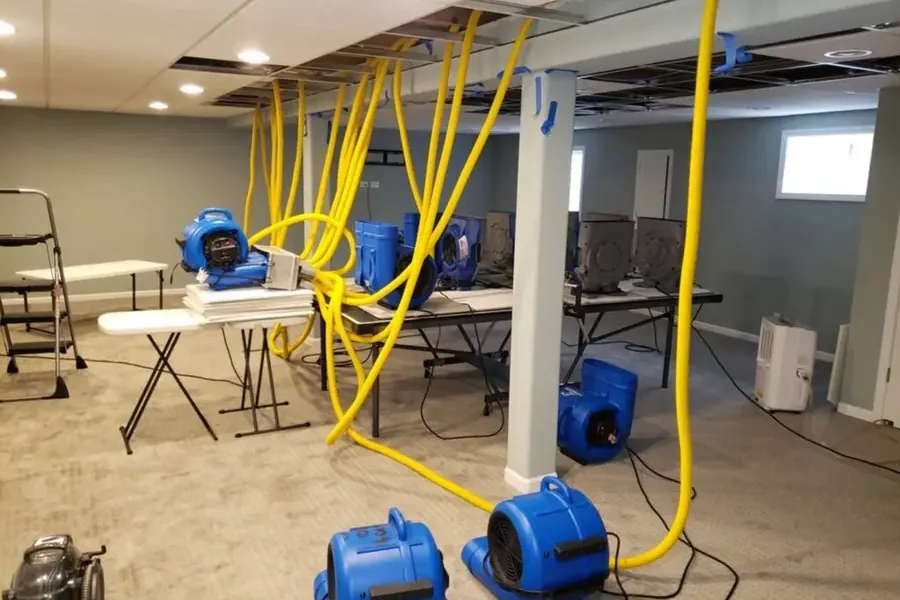 Structural Drying and Dehumidification Moisture mapping, air movers and dehumidifiers bring wet framing, subfloors and concrete back to dry readings.
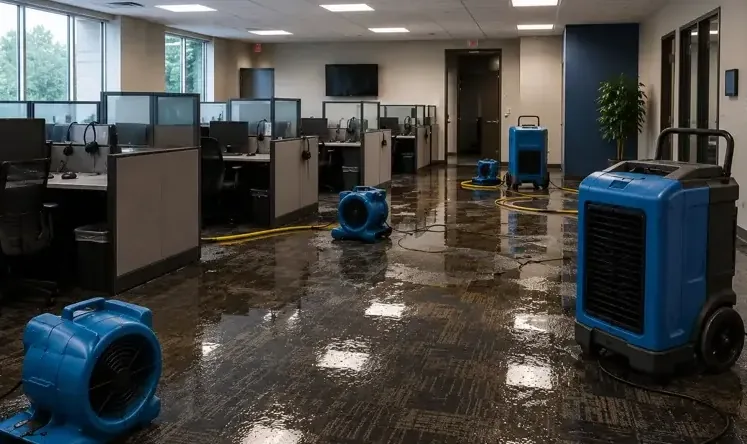 Commercial Water Damage Shops, offices and larger buildings get a loss plan built around keeping the business open.
Drying that is measured, not guessed
Wet drywall, pad and framing can look dry long before they are. The drying team records meter readings at each visit and removes equipment only when the numbers say the structure is dry.
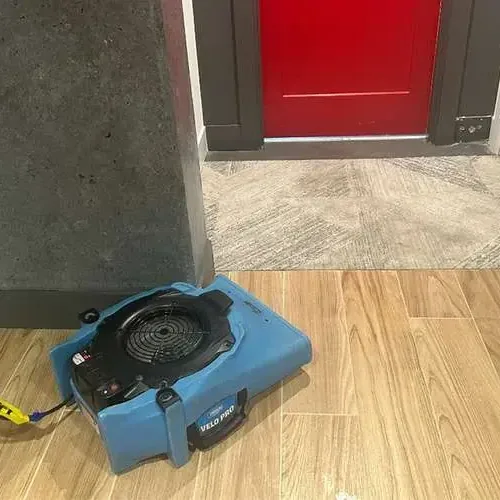
Moisture mapping
Meters and a thermal camera trace where water traveled behind walls, under flooring and above ceilings, so nothing wet is sealed in.
Extraction first
Standing water comes out before anything else, because pad, drywall and framing keep wicking it upward while it sits.
Records for the adjuster
Photographs, readings and equipment counts are kept for the insurance file, with plain notes on what came out and why.
Cleaning matched to the water
Clean supply water, gray water and sewage get different protective gear and disinfecting steps, set by Category 1, 2 or 3.
What to do while water is still on the floor
- 1
Stay out of wet electrics
If water has reached outlets, appliances or the breaker panel, keep clear and cut power only from a dry spot.
- 2
Stop the source
Close the main shutoff or the appliance valve if it can be reached safely, and turn off the water heater if it is leaking.
- 3
Photograph everything
Take photographs of the water, the damage and any belongings before anything is moved, since an adjuster will want them.
- 4
Lift what is easy
Move rugs, books, electronics and small furniture to a dry room, and leave heavy pieces where they stand.
- 5
Call for extraction
Wet pad, drywall and framing keep absorbing water until equipment is running, so the call should come early.
Dry means measured against the IICRC S500
Industry practice for water loss follows the IICRC S500, which sorts water by category and drying by class. The restoration team documents both, then sizes equipment to how wet the materials actually are.
- 1
Inspect and classify
Meters and a thermal camera find the wet areas, and the team assigns a water category and drying class before placing equipment.
- 2
Extract
Pumps and extractors remove standing water, and pad that cannot be saved comes out along with it.
- 3
Dry in place
Air movers and dehumidifiers run while readings are logged, so placement can change as materials release moisture.
- 4
Verify dry
Equipment comes off only after the same meters read the same as dry reference materials in the home.
- Category 1 to 3 water
- Class 1 to 4 drying
- Documented dry goals
What water damage restoration costs here
Typical ranges for water damage work run from about $900 for one wet room to $11,000 or more for a whole level or gray water. The scope, the water category and the number of rooms set the price, not the address.
One wet room
$900 to $2,500
- Extraction
- Air movers and a dehumidifier
- Meter checks until dry
Several rooms
$2,500 to $5,500
- Wet pad and baseboards out
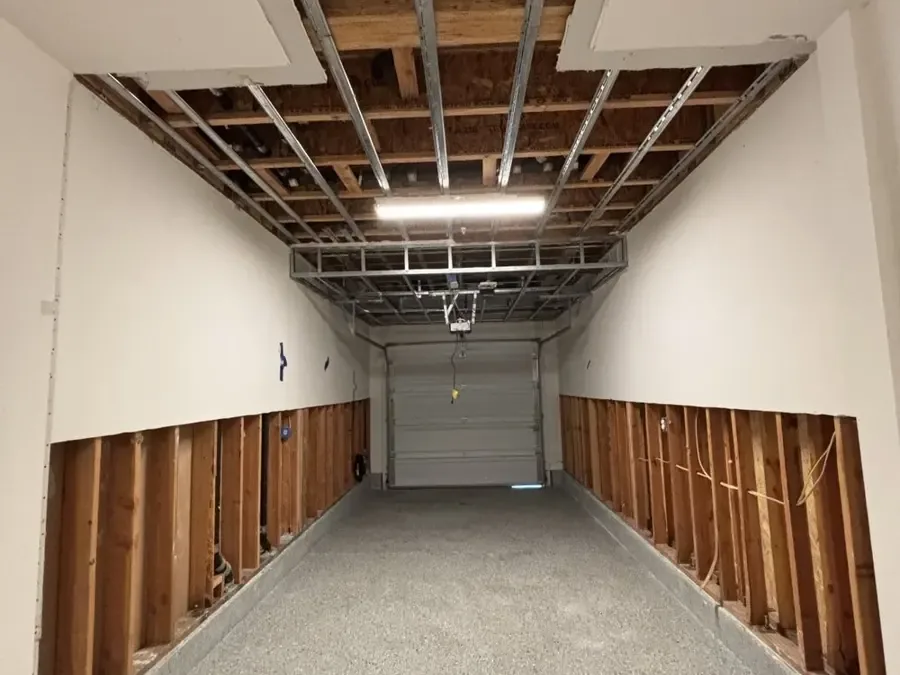
- Drywall flood cuts
- Daily meter checks
Whole level, gray water or sewage
$5,500 to $11,000+
- Protective gear and disinfecting
- Flooring and drywall demolition
- Longer dry-out, more equipment
Ranges cover labor, extraction, equipment days and cleanup, while rebuilding is separate. Whether a policy pays depends on its terms and on the cause of the loss, so ask the adjuster early.
Tools the drying team brings
- The date, the cause and where the water started
- Photographs of the damage before anything is moved
- Moisture readings from every visit, room by room
- A list of the flooring and drywall that came out
- Equipment counts and the days each unit ran
Documenting a water loss for the adjuster
Many homeowner policies address a sudden pipe, hose or tank failure, so careful records carry weight. The restoration team keeps the file an adjuster will ask for.
Filing the claim on your own
Report the loss to the insurer early, describe it in plain terms and ask what the policy says about water damage before agreeing to any settlement.
Keep damaged items until the adjuster has seen them, and save receipts for hotel stays, fans, a plumber's visit and any other emergency repairs.
Where water damage often starts
Pipes that split
A split pipe behind a wall soaks drywall, insulation and flooring, and the damage keeps spreading until it is dried.
See burst pipe cleanupStorm and snowmelt runoff
Runoff from roofs and pavement, plus spring melt, can push water into garages and lower levels and carry mud with it.
See storm flood cleanupSewage in the house
Sewage coming up through a floor drain is a health hazard, and cleanup starts with protective gear and removing what it touched.
See sewer backup cleanupWhat the work looks like on a water loss
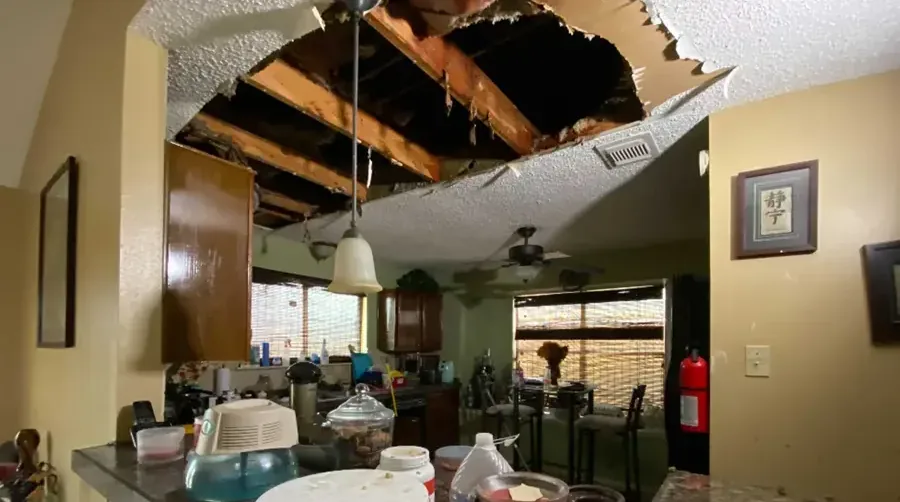
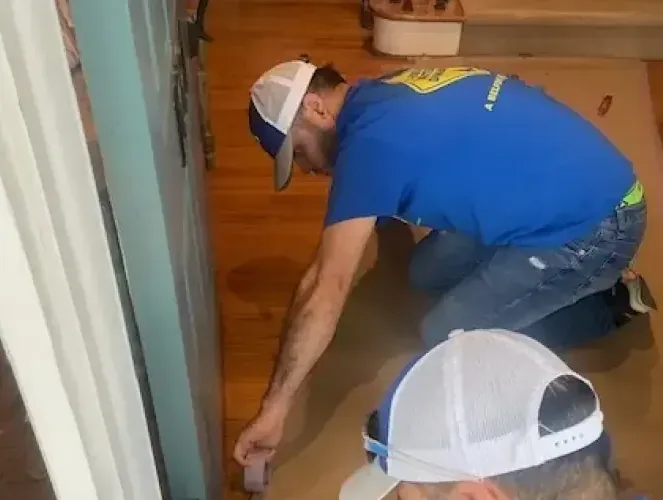
From the Jordan River's western bank to the foothills
Reaching a restoration crew from any neighborhood
Crews cover Copper Hills, Welby and Jordan Hills, the western slopes near State Route 111, and the blocks around Jordan Landing and the river.
A call describes the water source, the rooms affected and whether power is on, which lets the team bring the right pumps and meters.
- (888) 558-4812
- Dispatch around the clock, holidays included
- [email protected] (non-urgent questions)
Neighborhoods and landmarks
- Welby
- Copper Hills
- Jordan Hills
- The Maples
- Gardner Village
- Jordan Landing
- State Route 111
- Veteran's Park
Neighboring towns
What puts West Jordan homes at risk of water damage
Water losses here trace back to Salt Lake Valley weather and to ordinary plumbing failures, not to any named flood. These are the realistic sources, drawn from published climate and city figures.
- Spring snowmelt Snow accumulation and melt is a significant part of the yearly water cycle in the Jordan River watershed, so thaw and storms both push water toward foundations and window wells.
- Hard winter freezes Salt Lake Valley winter extremes reach -30 F, and the frost-free season runs about 200 days, so exposed pipes can freeze outside that window.
- Growing pavement As streets and parking lots add pavement that cannot absorb precipitation, runoff from roofs and gutters flows toward storm drains and the Jordan River watershed.
- Older service pipes The city asks owners of homes built before 1988 to identify whether the water service pipe is lead, copper, galvanized or plastic, and a split in that pipe floods fast.
- Everyday appliance leaks With 35,044 households counted in 2020, a washer hose or dishwasher supply that fails somewhere in the city is a routine reason for a call.
Founded around 1849 West Jordan was founded around 1849 on the western bank of the Jordan River, and early settlers diverted the river and its creeks to control flow for use and flood prevention.

Water damage questions
Water in the house right now?
A short call is enough to start. Describe where the water came from and which rooms are wet, and the crew will explain the next steps.
(888) 558-4812 Speak with a crew nowWhat should I do first after a pipe bursts?
Shut off the main water valve if it can be reached safely, stay clear of wet electrical outlets, and take photographs. Then call a restoration crew, because wet drywall and flooring keep absorbing water until extraction starts.
How soon does drying need to start?
As soon as the water source is stopped. After about 24 to 48 hours, wet materials become a mold risk, so extraction and air movement go in early, and the drying team keeps adjusting them until the readings come down.
Does homeowner insurance cover water damage?
Coverage depends on the policy and the cause. Sudden failures such as a split pipe or a leaking tank are often covered, while seepage and rising outside water usually need separate flood coverage. The adjuster makes the final call.
Who owns a leaking pipe between the meter and the house?
The city says that, typically, the homeowner is responsible from the meter to the house and the city from the meter to the main. After a repair, a Leak Adjustment Request Form lets the city take another look at the water bill.
Do all homes in the city have basements that can flood?
No. The homes in The Maples do not have basements, so those houses face slab, roof and appliance leaks rather than basement flooding. Wherever a lower level exists, basement flooding cleanup applies.
When do frozen pipes become a risk?
The average frost-free season in the Salt Lake Valley is about 200 days, usually from the middle of April to the end of October. Freeze risk sits outside that window, and frozen pipe cleanup covers the damage when valley extremes reach -30 F.
Does the restoration team handle commercial buildings?
Yes. Commercial water damage losses are scoped by suite, floor or building, with drying planned around how the business operates. Local commercial buildings range from shopping districts to a hospital and a college campus.
What does water damage restoration cost?
Ranges run from about $900 for one wet room to $11,000 or more for a whole level or gray water. The price depends on the rooms affected, the water category and the drying days, and the crew writes the scope after the first walkthrough.
Which ZIP codes does the crew cover?
The crew works across 84081, 84084 and 84088, from the western neighborhoods of Copper Hills, Welby and Jordan Hills to the blocks near the Jordan River. A call with the ZIP code and the water source is enough to plan the visit.
What happens to wet carpet and drywall?
Carpet pad that has soaked up water almost never dries in place and is cut out, while the carpet itself can often be cleaned and dried. Drywall wicks water upward, so it is cut above the wet edge to expose the framing and let it dry.
Wet drywall and flooring do not dry on their own; start now
Call to describe the loss, and the restoration team will lay out extraction, drying and cleanup for each room that got wet.