Structural Drying and Dehumidification in Midvale, UT
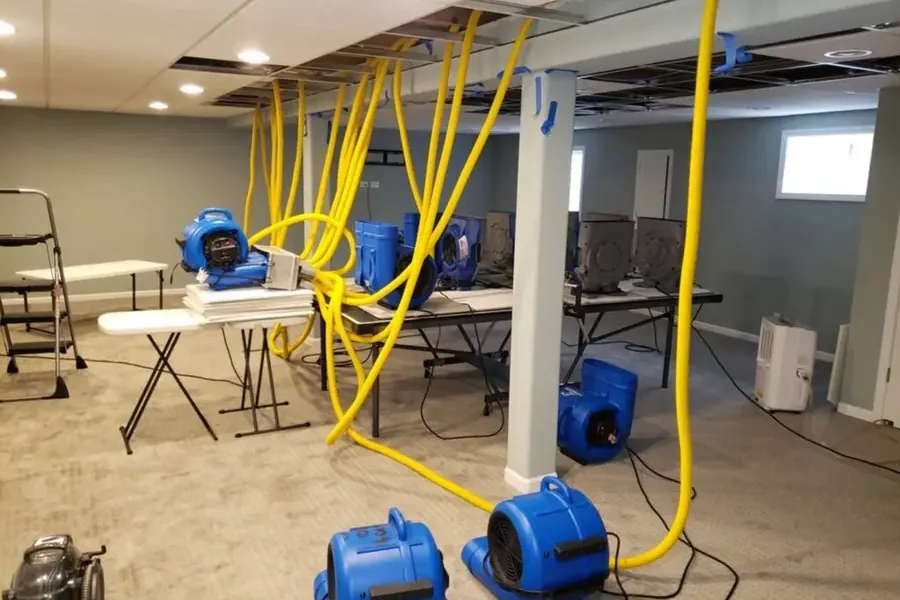
After water is extracted from a Midvale home, the drying team dries framing, subfloor, drywall and concrete with air movers and dehumidifiers sized to the loss, and logs readings every day until materials hit the dry goal.
(888) 558-4812 Walls still wet after the leak? Get drying- LGR and desiccant dehumidifiers
- Daily psychrometric logs
- IICRC S500
What to do first about structural drying and dehumidification
- 1
Do not close it up
Hold off on new paint, flooring or baseboards until readings say dry.
- 2
Leave the equipment running
Turning air movers off at night stalls the dry-out.
- 3
Keep doors and windows shut
Closed rooms let the dehumidifiers do their work.
- 4
Note any odor
A musty smell can mean a wet spot the readings have not reached yet.
What does structural drying and dehumidification cost in Midvale, UT?
Structural drying in Midvale, UT typically runs $1,500 to $7,000 after extraction, depending on the class of loss, the number of rooms, the materials involved and how many days equipment runs.
One room dry-out
$1,200 to $2,800
- Air movers
- LGR dehumidifier
- Daily readings
Several rooms
$2,800 to $6,000
- Cavity drying
- Psychrometric logs
- Equipment monitoring
Whole level, Class 4
$6,000 to $12,000+
- Desiccant dehumidifiers
- Slab drying
- Extended monitoring
Ranges are typical, never a quote: the water category, the square footage, the material class and how fast drying started move the number most. For a planning figure, try the water damage cost calculator.
Surface drying makes a room look dry. Structural drying makes the framing, subfloor, drywall and concrete actually dry, which is what keeps the 24 to 48 hour mold growth window from turning into a second problem behind the walls.
How the drying plan is set
- The water category and class of loss decide what stays and what goes.
- Air movers are placed for each wet wall and floor, not a fixed number per room.
- LGR dehumidifiers handle most loads; desiccant units take over for dense Class 4 materials like concrete and hardwood.
- The space is kept closed so equipment pulls moisture out of the structure, not the outdoor air.
Readings decide the finish date
The drying team takes moisture readings and psychrometric readings, temperature and humidity, every day and logs them for the claim file. Equipment comes out when wet materials read within 2 to 4 points of a dry reference material in the same home. Midvale basements add time, because slabs and foundation walls hold water deep inside. For losses that start with standing water, the first step is water extraction.
Why dry air still needs dehumidifiers
Salt Lake Valley air is dry most of the year, but a closed, wet basement still turns humid fast once air movers start evaporating water. The EPA indoor air quality pages explain why moisture control matters indoors, and Ready.gov covers safe re-entry after water damage.
How structural drying and dehumidification is handled
Each step follows the IICRC S500 drying standard and leaves a record for the claim file. Equipment stays until the readings say dry.
- 1
Set the class
Category and class decide the drying plan.
- 2
Place equipment
Air movers and dehumidifiers sized to the load.
- 3
Log readings
Moisture and psychrometric readings every day.
- 4
Verify dry
Materials within 2 to 4 points of a dry reference.
Structural drying and dehumidification across Midvale and Salt Lake County
Midvale Water Damage Restoration covers ZIP 84047, from historic Main Street and the Jordan River side east across the I-15 corridor to Fort Union, with Bingham Junction, State Street and the homes along Little Cottonwood Creek in between.
Nearby coverage reaches Murray, Taylorsville, Cottonwood Heights, Holladay, West Jordan, Sandy, South Jordan, Millcreek.
Structural Drying and Dehumidification questions in Midvale
Still dealing with it?
Readings still high after the leak? The drying team sets equipment to the load and logs every day.
(888) 558-4812 Ask about drying to readingsHow long does structural drying take?
Many losses dry in three to five days. Concrete, hardwood and plaster are Class 4 materials and can take longer. The readings, not the calendar, decide when equipment leaves.
Why does structural drying need so much equipment?
Each wet wall and floor needs air movement across it, and the evaporated water has to be pulled out of the air. Too little equipment just slows the job.
What does dry to a dry reference mean in structural drying?
The drying team measures an unaffected material of the same type in the home. Wet materials are dry when they read within 2 to 4 points of that reference.
Can the dehumidifiers be turned off at night?
No. Turning them off lets humidity climb and stalls the drying. The equipment is set to run around the clock until readings say dry.
Does structural drying work on a basement slab?
Yes, but concrete dries slowly. Desiccant dehumidifiers and heat are often used when slab readings stall.
Need a structure dried right in Midvale? Start with readings.
Walls that look dry can still hold water inside. The drying team measures, dries and verifies before equipment leaves.