Water Damage Restoration Cottonwood Heights, UT
In Cottonwood Heights, water reaching a basement, a kitchen floor or a shop brings the restoration team to pump it out, open what stayed wet and dry the structure until readings agree.
(888) 558-4812 Call a drying crew now- Open all night
- Pumps and dryers loaded
- Readings logged daily
Water, sewage and storm runoff only. Photos, moisture maps and a written scope go to the adjuster with the drying records.
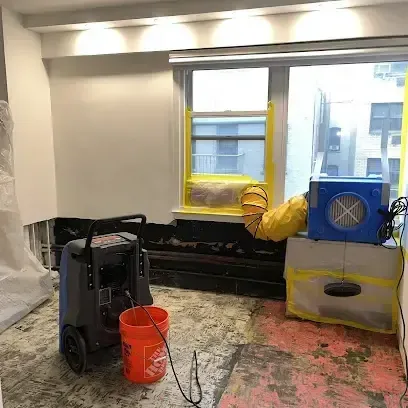
Twelve services for every kind of water loss
Basements, burst pipes, sewage, storm runoff and office floors each call for a different plan, so each service below is scoped and priced on its own.
Lower levels and drains
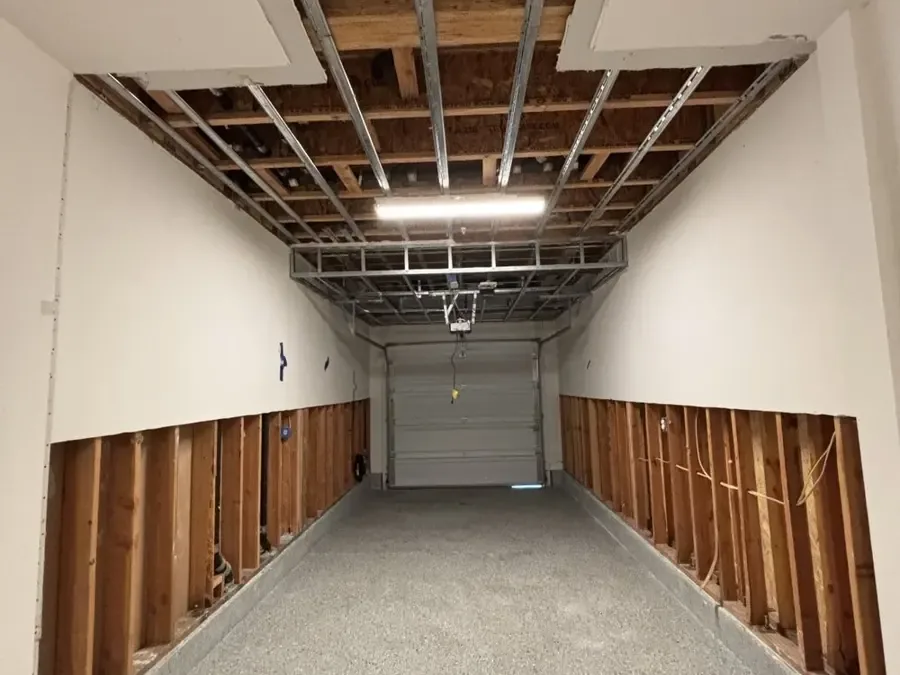
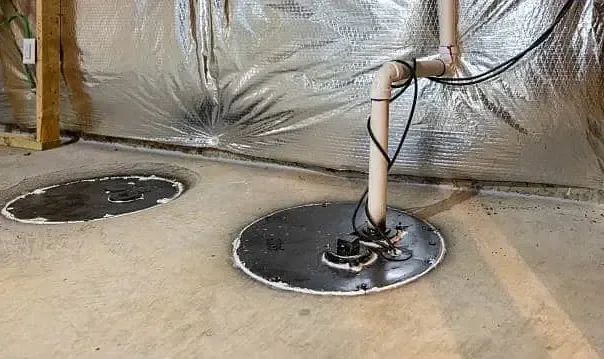 Basement Flooding Cleanup Seepage and drain overflow are pumped out, then wet carpet, pad and drywall are cut back to sound material. View service
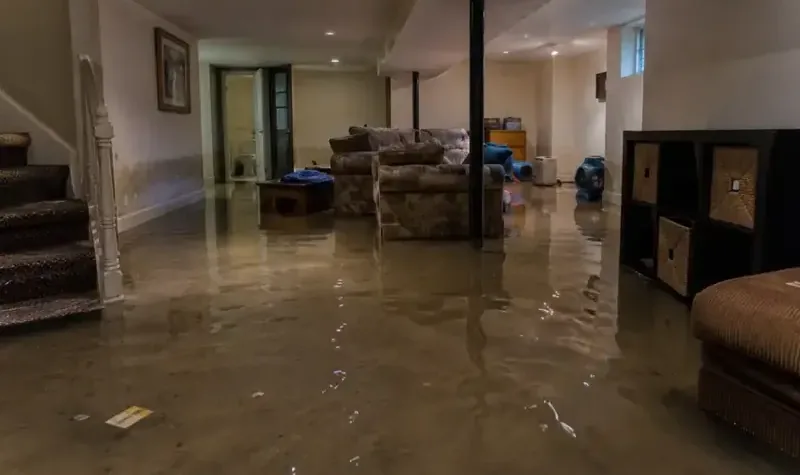 Window Well Flooding Cleanup Wells that spill through the glass or frame are pumped dry, and the room behind them is dried. View service
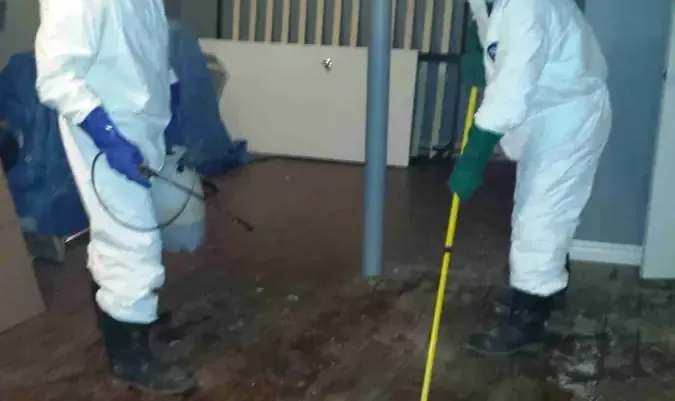 Sewer Backup Cleanup Sewage from a floor drain is removed, porous materials come out and surfaces are disinfected. View service
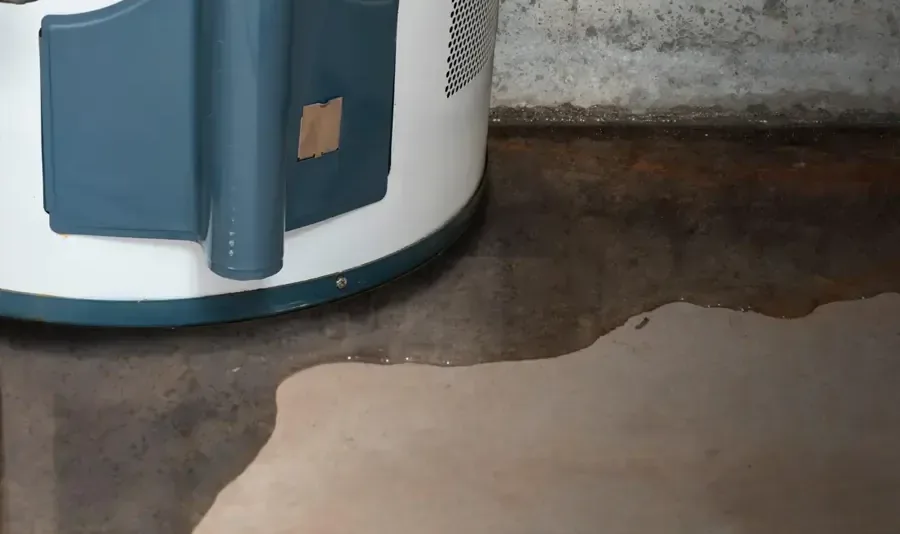 Water Heater Failure Cleanup A split tank floods the utility room first, so the water is pulled out and the slab dried. View service
Pipes, roofs, appliances and shops
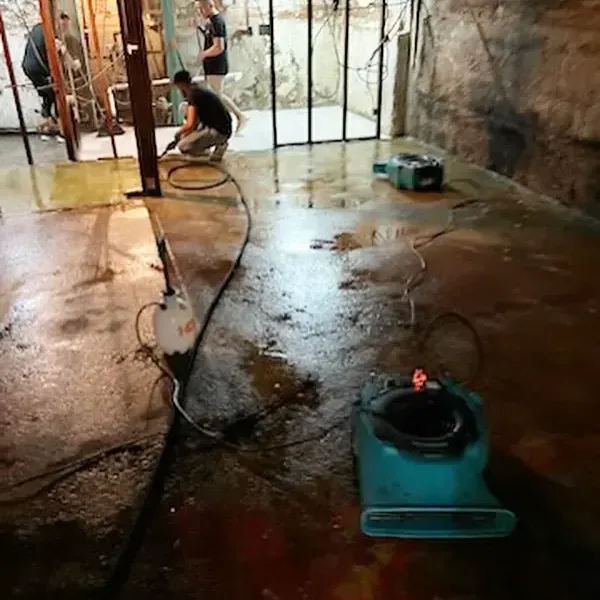
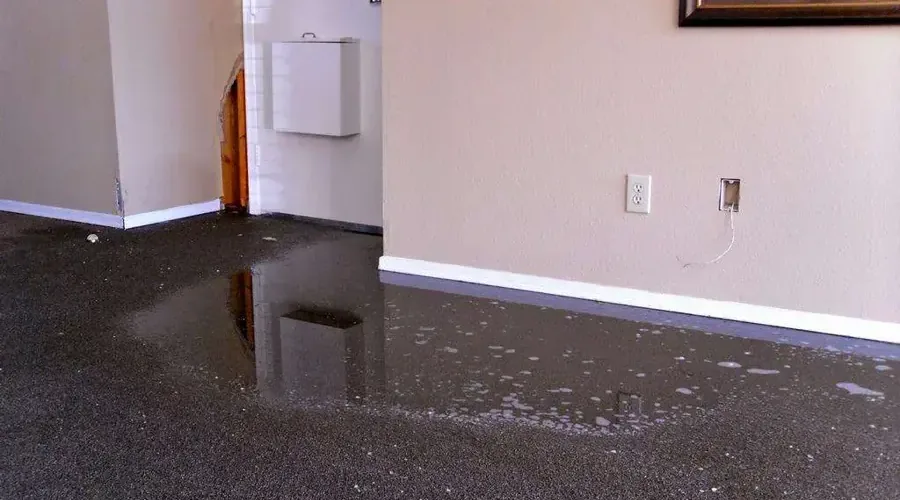 Water Extraction and Removal Truck mounted and portable pumps pull standing water from carpet, tile and wood before it spreads.
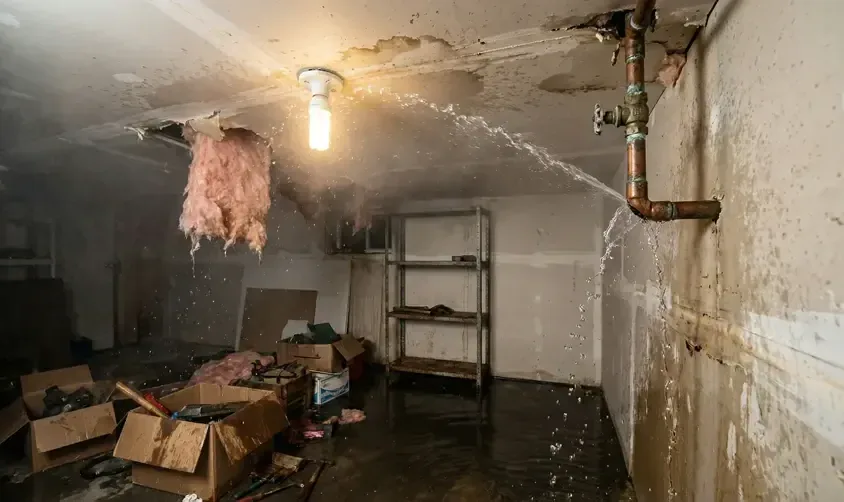 Burst Pipe Cleanup The path of a burst pipe is traced, wet walls are opened as needed and cavities are dried.
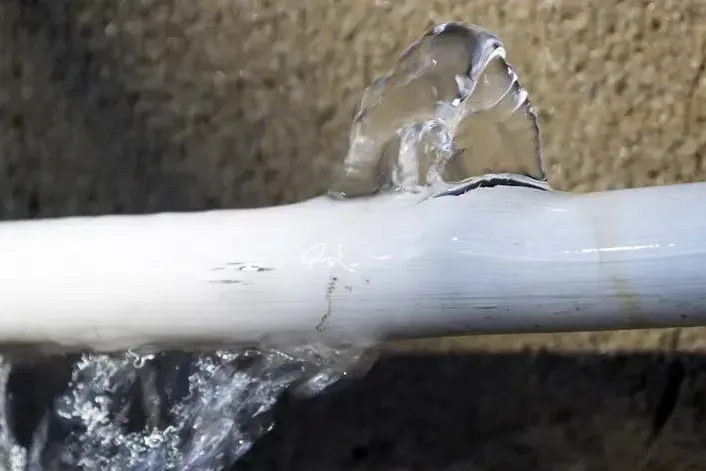
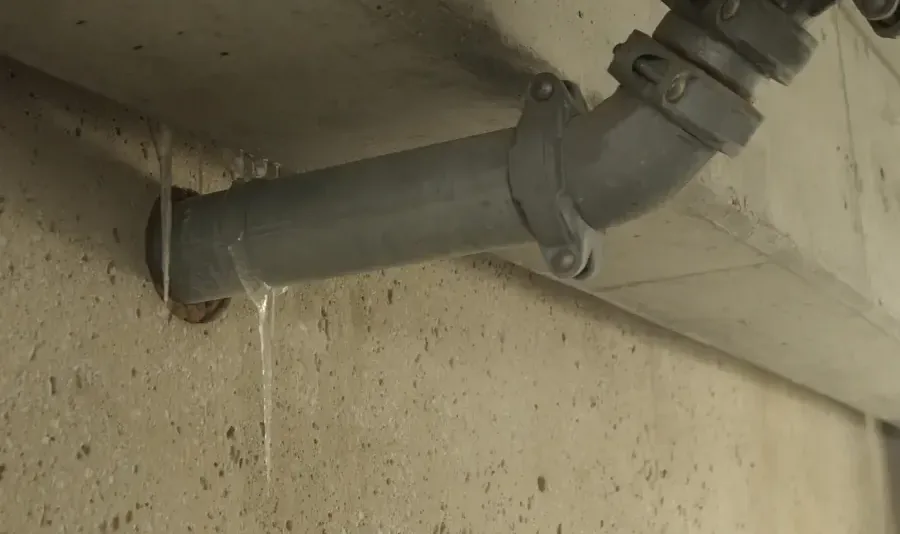 Frozen Pipe Cleanup Pipes that split after a thaw leave hidden damp behind walls and under floors, which meters locate.
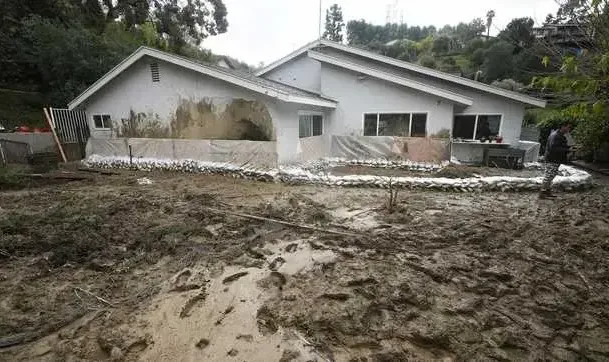 Cloudburst and Flash Flood Cleanup Cloudburst and snowmelt water in garages and lower levels is pumped out, and silt is cleared.
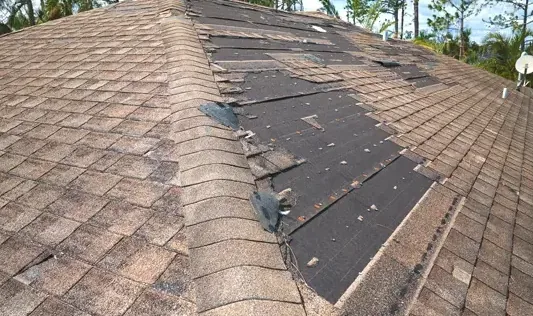 Roof Leak and Ice Dam Water Damage Attic insulation, ceiling drywall and walls soaked by a failing roof or ice dam are opened and dried.
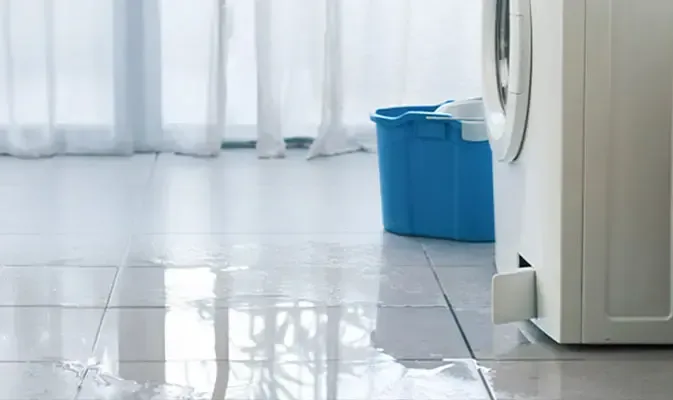 Appliance and Supply Line Leaks Dishwashers, washers and supply hoses can soak cabinets and subfloors long before the damp shows.
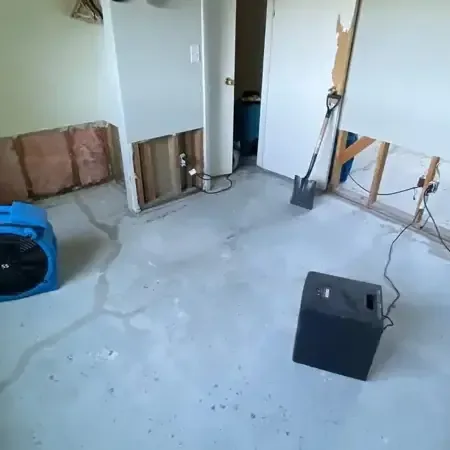
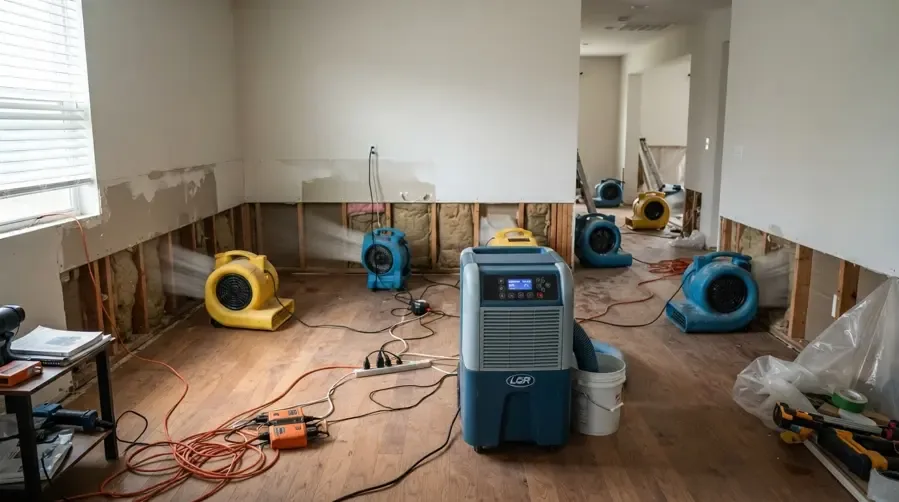
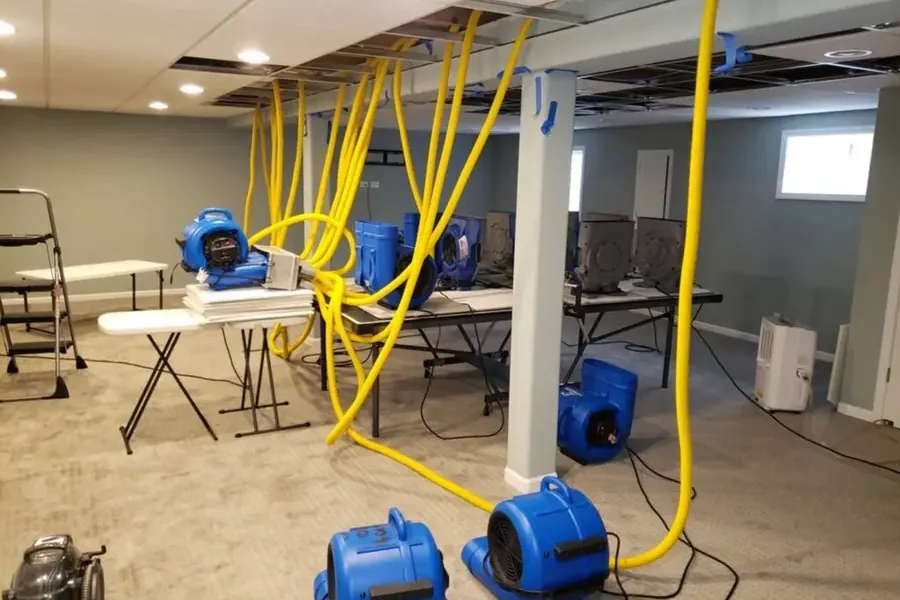 Structural Drying and Dehumidification Air movers, dehumidifiers and thermal imaging dry framing and finishes to the IICRC S500 standard.
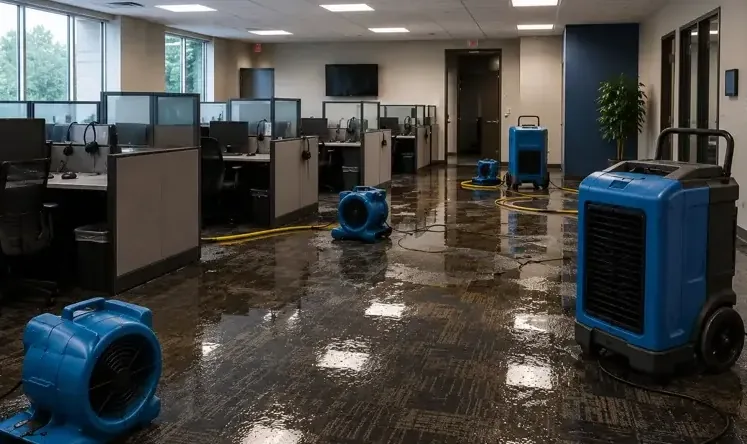 Commercial Water Damage Offices, shops and suites get containment, extraction and drying planned around business hours.
Water follows the lowest path through a house
Snowmelt from the Wasatch Mountains, worn fixtures and winter cold all push water toward the lowest level of a home, where it settles and spreads under the finishes.
Spring runoff
Snowmelt from the canyons can pool across roads and soak yards, and a warm weekend sends that water toward foundations and low doors.
Storm drains
When drains are overwhelmed, water that cannot leave the street finds window wells, garage doors and basement stairwells instead.
Fixtures and appliances
Water heaters, washers and supply hoses fail without warning, and a slow leak can run for hours before anyone sees damp.
Winter freezes
Cold weather splits pipes in outside walls and garages, and the damage usually shows once the thaw begins.
Five moves that keep the damage from spreading
- 1
Stop the source
Close the shutoff valve at the fixture, or the main valve, so no more water reaches the room.
- 2
Mind the power
Leave the breaker alone if you would stand in water to reach it, and keep away from wet outlets and cords.
- 3
Keep clear of sewage
If a drain or toilet backed up, keep children and pets out and do not run more water into the house.
- 4
Lift what you can
Take rugs, boxes and electronics off wet floors and move papers and photos to a dry room.
- 5
Photograph the damage
Photograph each wet room and damaged item before anything is moved, since the adjuster will ask for them.
Drying planned by water category and material class
A finished dry out is measured, not guessed. The drying team finds where the water traveled, pulls out what cannot dry in place and sets equipment by the category of the water and the class of the materials.
- 1
Map the moisture
A thermal camera and a moisture meter trace the water from the source to the farthest wet wall before equipment is placed.
- 2
Extract
Pumps and extractors take standing water out of carpet, tile and pad, so less of it soaks into the framing.
- 3
Dry the structure
Air movers and dehumidifiers work room by room, with desiccant units for dense materials and tight cavities.
- 4
Verify dry
Equipment stays until readings match a dry reference, and the daily log goes with the claim file.
- Plan follows the water category
- Framing dried, not just surfaces
- Meter readings end the job
How much does water damage cleanup cost?
A small clean water leak costs far less than a finished basement flooded with sewage. The category of water, the size of the wet area and how quickly drying begins decide where a job lands in the ranges below.
One room, clean water
$1,200 to $3,000
- Pumping
- Air movers and a dehumidifier
- Daily moisture readings
Wet basement room
$3,000 to $7,500
- Wet pad and baseboard removed
- Drywall cut above the wet edge
- Antimicrobial where needed
Finished basement, Category 3
$7,500 to $18,000+
- Porous materials removed
- Containment and protective gear
- Extended structural drying
Rebuild work such as new drywall and flooring is quoted separately once drying ends. A rough starting figure is available from the water damage cost calculator before any call is made.
Equipment on the truck
- A moisture map that marks every wet area
- Dated photos taken before any demolition starts
- The water category and material class of the loss
- Daily meter readings and the full drying log
- An itemized scope written the way adjusters read it
Records that support a water damage claim
An adjuster weighs a water claim by what was recorded at the start. Ask the contractor which records come with the job and keep a copy of every one.
Check your own policy
Coverage tends to turn on the source. A pipe that bursts without warning is usually handled one way, while seepage, sewage coming up a drain and runoff from outside can be handled another.
Sewer backup and rising outside water often need an added endorsement or a flood policy, so read the policy or ask the insurer before work begins.
Why the water category changes the job
Category 1, clean water
A broken supply pipe, a split tank or an ice maker leak. When drying starts promptly, the materials usually stay in place.
Burst pipe cleanupCategory 2, gray water
Washer discharge, a dishwasher overflow or clean water that sat for days. Soaked pad and some porous materials are removed.
Appliance leak cleanupCategory 3, black water
Sewage from a floor drain, or runoff that came in from outside. Porous materials the water touched come out and surfaces are disinfected.
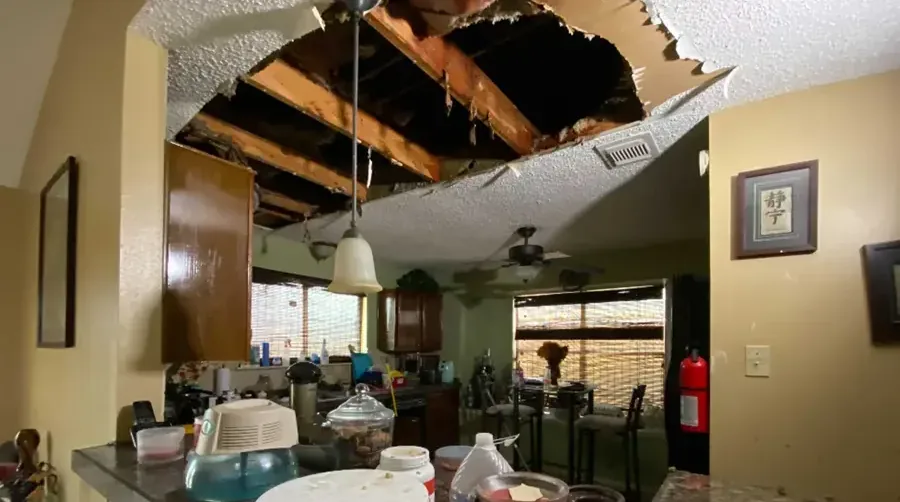
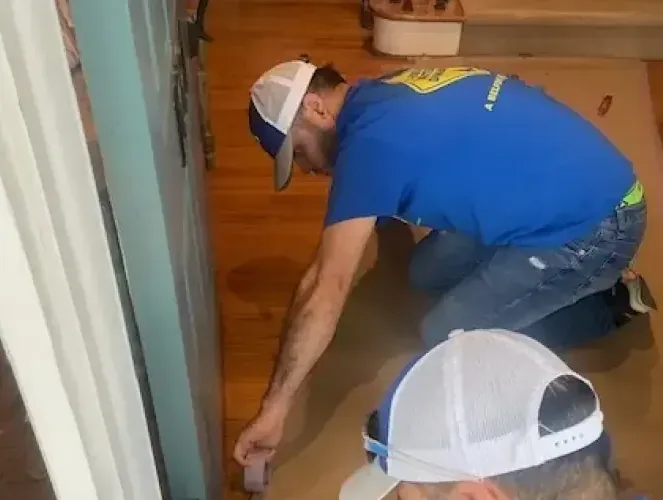
Sewer backup cleanupWhat water damage and drying work look like on site
Water damage restoration across Cottonwood Heights and Salt Lake County
From Fort Union Boulevard to the canyon edge, at any hour
The restoration team works the whole city, from the commercial blocks along Fort Union Boulevard and the Old Mill to the suburban housing that covers the ridge above them.
The first questions are which level is wet and where the water came from, since those answers decide the pumps, extractors and dryers loaded for the job.
- (888) 558-4812
- Dispatch around the clock, holidays included
- [email protected] (non-urgent questions)
Corridors and neighborhoods
- Fort Union Boulevard
- Fort Union
- Old Mill
- Wasatch Boulevard
- State Route 190
- State Route 210
- Interstate 215
- Big Cottonwood Creek
Nearby cities
What drives water damage on the east bench
Cottonwood Heights sits between the Big Cottonwood Creek and Little Cottonwood Creek valleys, so snowmelt, overwhelmed drains and winter cold shape most local water losses. Five patterns lead the list.
- Spring runoff. Snowmelt from the Wasatch Mountains runs down both creek valleys each spring, and saturated yards push water toward foundations, stairwells and garage doors.
- Overwhelmed drains. When storm drains back up, as they did along Wasatch Boulevard, water that cannot leave the street finds the lowest opening on the nearest property.
- Mapped flood zones. FEMA flood maps for Salt Lake County took effect in 2009, and 2012 revisions touched the Big Cottonwood Creek and Little Cottonwood Creek flood zones, so a lender can require flood insurance inside them.
- Water main breaks. A main broke on Summer Oaks Circle in December 2015, cutting service and opening a sinkhole, a reminder that pipes fail under the street as well as inside houses.
- Cold snaps and failing fixtures. January averages about 2.36 inches of precipitation, cold snaps split pipes in outside walls and garages, and water heaters and hoses fail in any season.
April 10, 2023 Spring runoff from a record snowpack pooled across Wasatch Boulevard after a warm Easter weekend, storm drains backed up and Public Works crews cleared drainage while the road stayed open.

Cottonwood Heights water damage questions
Water coming in right now?
Close the shutoff if it is safe, stay away from wet outlets and cords, and call so pumping starts before more of the house is wet.
(888) 558-4812 Start pumping out the waterWho handles water damage when it starts at night?
Water that is still spreading is treated as an emergency at any hour. A crew comes with pumps and dryers, and its first task is a moisture map showing which walls and floors took on water.
Will homeowners insurance pay for a flooded basement?
Coverage depends on how the water got in. Damage from a sudden pipe or tank failure is commonly paid under a standard policy, while sewage, seepage and outside runoff often fall under separate coverage. Ask the insurer, since the policy wording decides.
Does spring snowmelt cause water damage in homes here?
Runoff from the Wasatch Mountains drains toward the creeks and the valley, and in April 2023 it pooled across Wasatch Boulevard and backed up storm drains. Water can also collect against foundations, so yards that slope toward the house deserve attention.
How long does a wet room take to dry?
A typical clean water job needs several days of drying, and dense materials such as concrete or framing can need more. The crew checks readings each day and pulls equipment only when every wet material hits its target.
Which drying standard does the work follow?
The IICRC S500 is the accepted professional standard for water damage restoration. It defines water categories and material classes, how much equipment a room needs and how dryness is proven with readings.
What should be done before the crew gets there?
Stop the water at its source if that is safe, keep people and pets out of sewage, and photograph the damage before moving anything. Lift small items off wet floors, but leave heavy furniture and wet drywall alone.
What if the water comes from the street?
A water main break, like the one on Summer Oaks Circle in December 2015, is repaired by the utility, and Salt Lake City Public Utilities fixed that pipe. Once water enters a building, the restoration team pumps and dries it.
Can a sewage backup be cleaned up safely at home?
Sewage is Category 3 water, covered under sewer backup cleanup, and carries bacteria, so porous materials it touched, such as carpet and drywall, are removed and the area is disinfected. A household mop up risks leaving contamination behind.
Are office and shop losses handled differently?
Business losses add tenant schedules, shared walls and larger equipment counts. The commercial water damage service plans containment and drying around operating hours, and photos and logs support the building's claim.
Why does wet material need drying within 24 to 48 hours?
Wet drywall, wood and insulation can start growing mold in that window, and swelling and warping get worse the longer materials stay wet. Prompt extraction and drying keep more of the structure in place.
Water in a Cottonwood Heights home or shop? Start the drying now.
Water soaks into framing and flooring the longer it sits. The drying team opens every job with a moisture map and a written plan.