Frozen Pipe Cleanup in Cottonwood Heights, UT
When a frozen pipe thaws, the split it caused starts releasing water behind walls, under floors and in garages. The mitigation team finds the wet section, extracts the water and dries the framing before damage spreads further.
(888) 558-4812 Pipe thawed and leaking? Call now- Hidden leaks found
- Walls and floors dried
- Thaw damage mapped
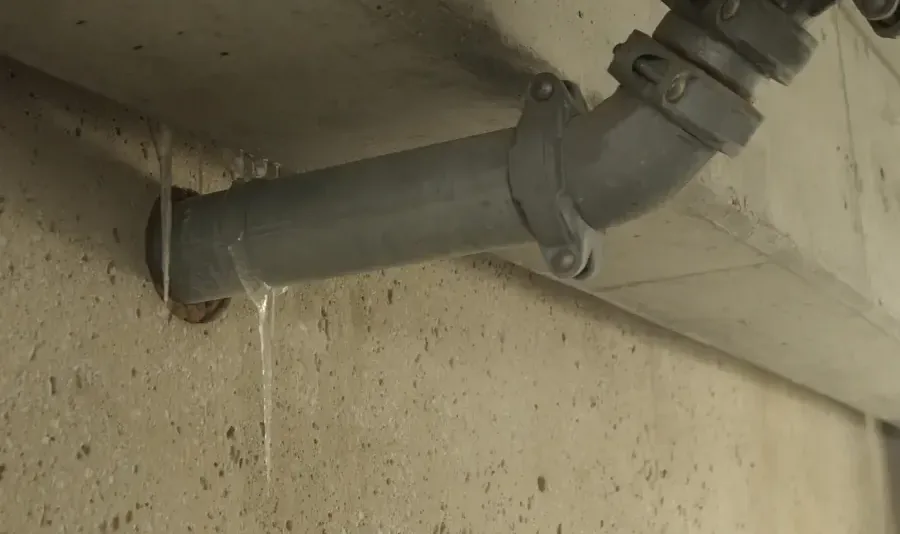
What to do first about frozen pipe cleanup
- 1
Close the main
Shut the main valve before thawing, so a hidden split cannot release water as the ice melts.
- 2
Thaw slowly
Use warm air, never an open flame, and keep the faucet open to relieve pressure.
- 3
Check the walls
Look for damp patches, stains or bulging drywall near the frozen pipe.
- 4
Photograph everything
Capture the split pipe, the stains and any damaged items for the claim.
What does frozen pipe cleanup cost in Cottonwood Heights, UT?
Frozen pipe losses depend on how long the water ran after the thaw and how many rooms it reached. A garage wall is the smallest case, and a leak that reached the basement is the largest.
One wall or the garage
$1,200 to $3,200
- Extraction
- Wall opened
- Dehumidifier
Kitchen or bath wall and floor
$3,200 to $7,000
- Cabinet toe kicks removed
- Flooring checked
- Air movers
Several rooms and basement
$7,000 to $15,000+
- Ceiling and wall removal
- Pad and flooring removal
- Extended drying
Ranges are typical, never a quote: the water category, the square footage, the material class and how fast drying started move the number most. For a planning figure, try the water damage cost calculator.
The city sits at about 4,820 feet on the east bench, where winter cold can reach pipes in garages, attics and outside walls. Ice often plugs a split pipe until the temperature rises, so the real flood begins at the thaw. By then the water may have been running behind a wall for hours.
Why the leak shows up late
Ice acts like a plug in a cracked pipe. When it melts, the pipe flows through the split again, often while nobody is home, and the first sign is a stain on the ceiling or the sound of running water.
- Pipes in garages, attics and outside walls freeze first.
- A small split can still release a surprising amount of water.
- Insulation holds the water against the wall and slows drying.
- Thawing the pipe again does not repair the crack.
Thawing without causing a flood
Warm air applied slowly is safer than open flame, and the main valve should be closed first so a hidden split cannot flood the space as the ice melts. A plumber repairs the pipe, and the restoration team handles the water.
Drying the framing
Meters and a thermal camera show where the water went, and wet insulation or drywall comes out where needed. For a pipe that burst under pressure instead, see burst pipe cleanup, or use the drying time estimator for a rough schedule.
How frozen pipe cleanup is handled
Each step follows the IICRC S500 drying standard and leaves a record for the claim file. Equipment stays until the readings say dry.
- 1
Locate
A meter and thermal camera find the thaw leak.
- 2
Extract
Pumps and wet vacuums remove the standing water.
- 3
Open
Wet insulation and drywall are cut out where readings are high.
- 4
Dry
Equipment runs until framing reads dry.
Frozen pipe cleanup across Cottonwood Heights and nearby communities
Thaw damage turns up in garages and outside walls throughout the city, from houses on the ridge to buildings near the Old Mill and Fort Union Boulevard, and the crew goes where the water went.
The same service nearby: frozen pipe cleanup in Midvale, Holladay, Murray.
Water damage restoration in Cottonwood Heights · every town covered
Frozen Pipe Cleanup questions in Cottonwood Heights
Still dealing with it?
Pipe thawed and leaking? The mitigation team finds the split and dries the wet walls.
(888) 558-4812 Find the hidden thaw leakWhy do frozen pipes cause water damage?
Ice expands inside a pipe and splits it, but the water only escapes once the ice melts. That delay is why the flooding often appears hours after the cold ends.
Should a frozen pipe be thawed at all?
Slowly and with the main closed. Open flame is dangerous, and thawing a split pipe without closing the valve can release the water quickly.
Is a frozen pipe covered by insurance?
Sudden freeze damage is often covered, but the policy may require reasonable heat in the home. The policy wording and photos support the claim.
Can walls dry without being opened?
Sometimes, when the leak was short. Meter readings decide whether air movers can dry the cavity or whether the drywall needs to come out.
Where do frozen pipes usually split?
Pipes in garages, attics and outside walls are most exposed, along with hose bibs and any pipe near a cold draft.
Frozen pipe in Cottonwood Heights? Dry the wall now.
Thaw water works its way into insulation, drywall and flooring while no one is looking. Drying early keeps it contained.