Structural Drying and Dehumidification in Cottonwood Heights, UT
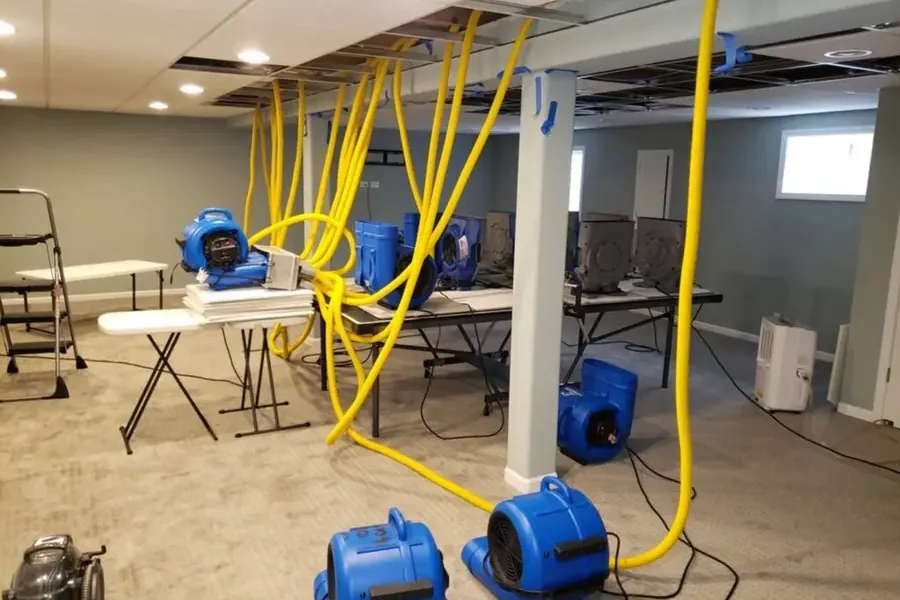
After the standing water is gone, the framing, subfloor and drywall still hold moisture. The drying team sets air movers, LGR dehumidifiers and desiccants, then checks readings until every material reaches its dry goal.
(888) 558-4812 Walls still damp? Call the drying crew- Equipment sized by class
- LGR and desiccant units
- Readings every visit
What to do first about structural drying and dehumidification
- 1
Keep the equipment on
Do not switch off air movers or dehumidifiers early, even if the room feels dry.
- 2
Close doors and windows
Closing the drying area helps the dehumidifiers work.
- 3
Leave the walls alone
Do not paint or seal damp surfaces before readings are taken.
- 4
Let the readings decide
The log, not the touch of a wall, shows when drying is complete.
What does structural drying and dehumidification cost in Cottonwood Heights, UT?
Drying cost follows the volume of wet material and the class of the loss. A single room is the smallest case, and a whole level with dense materials is the largest.
One room dry out
$1,200 to $2,800
- Air movers
- Dehumidifier
- Daily readings
Several rooms
$2,800 to $6,000
- Larger equipment set
- Wall cavity drying
- Thermal checks
Whole level, Class 4
$6,000 to $12,000+
- Desiccant units
- Slab and wall drying
- Extended monitoring
Ranges are typical, never a quote: the water category, the square footage, the material class and how fast drying started move the number most. For a planning figure, try the water damage cost calculator.
Drying a structure is a measured process, not a matter of running fans. Cottonwood Heights receives about 25.92 inches of precipitation a year, and homes here are valuable, with a median owner occupied value of $694,100 in the Census Bureau's 5-year estimate, so doing it properly protects a real investment.
What the drying team sets up
Equipment is sized to the wet volume and the class of the loss, not to the look of the room.
- Air movers push dry air across wet surfaces to lift moisture.
- LGR dehumidifiers pull that moisture out of the air and drain it away.
- Desiccant units handle dense materials and cold, tight cavities.
- Thermal cameras and meters show where drying is falling behind.
Class and category
Class describes how much water the materials absorbed, and category describes how clean the water was. Together they decide equipment and whether materials are dried or removed. Dense materials such as concrete slabs and hardwood floors absorb slowly and release slowly, so they usually set the schedule.
How the end is decided
Equipment stays until each material reads at its dry goal, and the log goes into the claim file. Use the drying time estimator for a rough schedule, or see water extraction for the step that comes first.
How structural drying and dehumidification is handled
Each step follows the IICRC S500 drying standard and leaves a record for the claim file. Equipment stays until the readings say dry.
- 1
Assess
Meters and a thermal camera set the class and category.
- 2
Set
Air movers and dehumidifiers go in room by room.
- 3
Monitor
Readings are logged and equipment is adjusted.
- 4
Release
Equipment leaves when every material reaches its goal.
Structural drying and dehumidification across Cottonwood Heights and nearby communities
Drying equipment goes into homes and buildings across the city, from the houses on the ridge to the offices near Fort Union Boulevard, wherever moisture is still trapped after the water is removed.
The same service nearby: structural drying and dehumidification in Midvale, Holladay, Murray.
Water damage restoration in Cottonwood Heights · every town covered
Structural Drying and Dehumidification questions in Cottonwood Heights
Still dealing with it?
Walls and floors still wet? The drying team sets the equipment and tracks the readings.
(888) 558-4812 Set up the drying equipmentWhat does structural drying involve?
Air movers, dehumidifiers and sometimes desiccants run on wet framing, floors and walls while meters track the moisture until it reaches the target.
How long does structural drying take?
Many clean water jobs take three to five days, and dense materials like concrete can take longer. Daily readings decide when equipment is removed.
Why not just use household fans?
Fans move air but do not remove moisture from it, so humidity builds and damp spreads. Dehumidifiers are what actually pull the water out.
What is Class 4 drying?
It covers dense, low porosity materials such as concrete and hardwood that hold water deeply, and it needs desiccant units and extra time.
Does drying equipment use much power?
Air movers and dehumidifiers run all day and draw real power, so the crew plans circuits and keeps cords clear of wet floors. The hum stops once readings reach the goal.
Can drying prevent mold?
Prompt drying removes the moisture that mold needs, which is why equipment goes in quickly after extraction.
Wet framing in Cottonwood Heights? Get the dryers running.
Moisture left in framing and subfloors keeps damaging materials after the surface dries. Controlled drying reaches the hidden water.