Structural Drying and Dehumidification in Holladay, UT
Once the standing water is gone, moisture still hides in drywall, subfloor and framing. The drying team uses air movers, dehumidifiers and daily meter checks to pull it out until the structure matches a dry reference.
(888) 558-4812 Call about drying a wet structure- Air movers and dehumidifiers
- Daily meter readings
- Drying logs kept
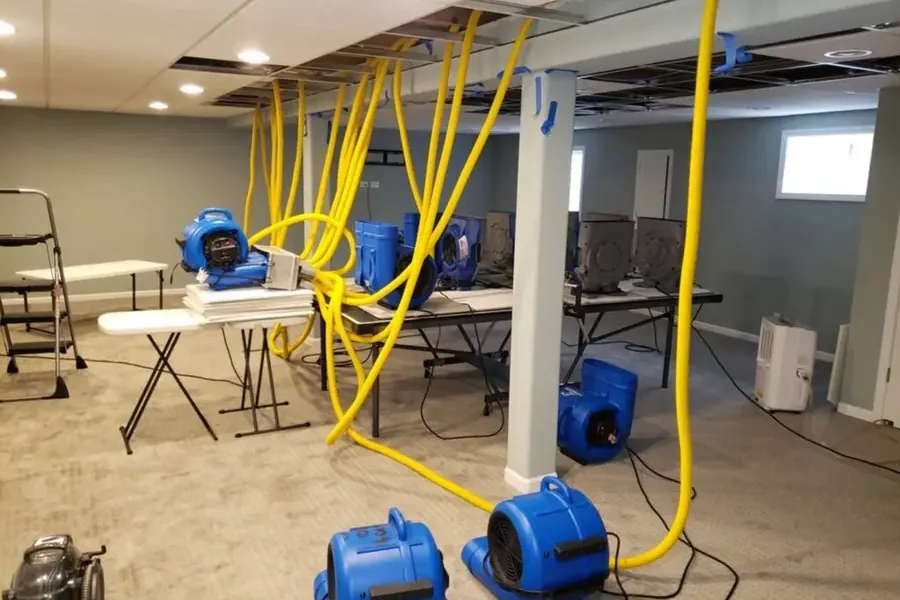
What to do first about structural drying and dehumidification
- 1
Set the baseline
Meters record readings in wet and dry areas so the goal for each material is clear.
- 2
Place equipment
Air movers and dehumidifiers go in a closed, controlled space, sized to the room.
- 3
Monitor daily
Readings are taken at each visit, equipment is moved and cavities are opened where needed.
- 4
Pull out and verify
Equipment leaves only when materials match the dry reference.
What does structural drying and dehumidification cost in Holladay, UT?
Drying cost follows the area and the materials, so a single room dries for less than a whole level, and dense or Class 4 materials take extra equipment days.
One room dry-out
$1,200 to $2,800
- Air movers
- Dehumidifier
- Daily readings
Several rooms
$2,800 to $6,000
- Wider equipment set
- Wall cavity drying
- Logged readings
Whole level, Class 4
$6,000 to $12,000+
- Specialty drying
- Extended equipment time
- Final verification
Ranges are typical, never a quote: the water category, the square footage, the material class and how fast drying started move the number most. For a planning figure, try the water damage cost calculator.
Drying is a process, not a pile of fans. Air movers push dry air across wet surfaces, dehumidifiers pull the moisture out of the room, and meters show whether materials are actually drying or just feeling dry. When any one piece is missing, a structure can look dry for weeks and still hold water.
Stop the source first
When water reached Holladay basements in May 2023, residents ran hoses from their homes for days, and some feared it could last another month. One plumber drilled the basement floor and fitted a pump to send the water out. Drying only works once the water source is controlled.
- Find and stop the source of moisture
- Remove standing water and ruined porous material
- Set equipment in a closed, controlled space
- Read the meters at each visit and adjust
How long drying runs
Light materials such as carpet and drywall dry within days, while hardwood, subfloor, concrete and framing take longer. The crew moves air movers as readings change and removes equipment when the wet materials match the dry reference. Seepage cases are covered under basement flooding cleanup.
Why records matter
Daily readings and photos show an insurer what was wet and when it dried. They also prove the structure is ready for new drywall and flooring, as laid out in water extraction.
How structural drying and dehumidification is handled
Each step follows the IICRC S500 drying standard and leaves a record for the claim file. Equipment stays until the readings say dry.
- 1
Call
Describe what was wet and when the water was removed.
- 2
Measure
Meters set the starting readings and the dry goal.
- 3
Dry
Equipment runs in a controlled space with daily checks.
- 4
Verify
Final readings and photos close out the job.
Structural drying and dehumidification across Holladay and nearby communities
Structural drying is provided across ZIP codes 84117, 84121 and 84124, from homes near Big Cottonwood Creek and Knudsen's Corner to the Canyon Cove area and the streets around Olympus High School and Knudsen Park.
The same service nearby: structural drying and dehumidification in Midvale, Cottonwood Heights, Murray.
Structural Drying and Dehumidification questions in Holladay
Still dealing with it?
Tell the drying team what was wet and when the water was removed, and they will explain the equipment and monitoring plan.
(888) 558-4812 Ask about dryingHow do I know a structure is truly dry?
Meters read the moisture inside drywall, wood and concrete and compare it to an unaffected reference. Dry to the touch does not count.
Why are fans alone not enough?
Fans move air but leave moisture in the room. Dehumidifiers remove it, and meters show if materials are actually drying.
Can drying start before the leak is fixed?
Drying should wait until the source is stopped, since new water would undo the work. The crew checks the source before setting equipment.
Why does equipment run for several days?
Dense materials such as subfloor, framing and hardwood release moisture slowly, so the drying continues until readings match the dry goal.
Does drying prevent mold?
Keeping materials from staying damp for 24 to 48 hours greatly lowers the risk, which is why the drying starts as early as possible.
Wet framing needs more than a few fans
The crew places the equipment, reads the meters each visit and pulls it out only when the structure reads dry.