Structural Drying and Dehumidification in Murray, UT
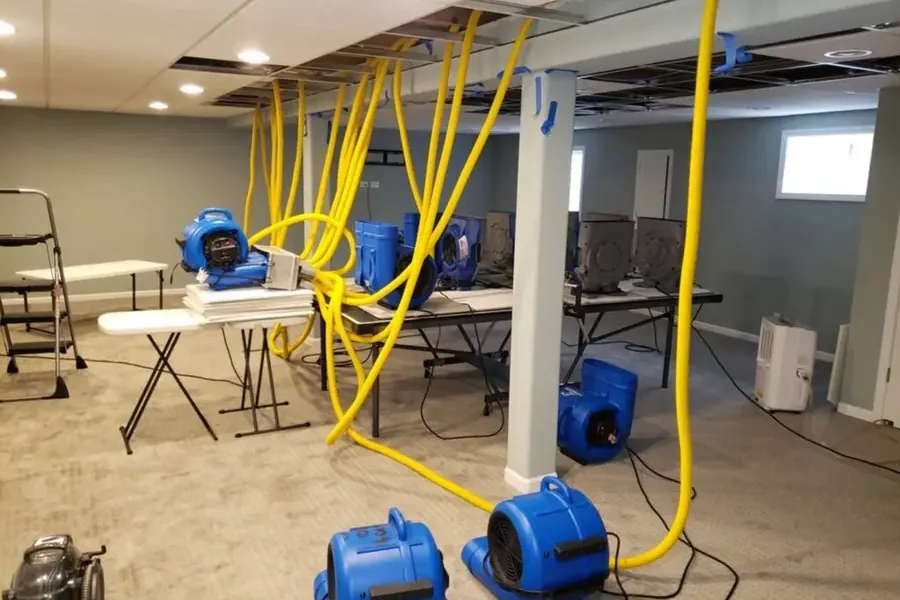
Getting the water out is half the job; the walls, floors and framing keep holding moisture. The drying team sets air movers and dehumidifiers, takes readings every visit and stops only when the materials reach their dry targets.
(888) 558-4812 Water gone but walls damp? Start drying- LGR dehumidifiers
- Daily moisture readings
- Wall and floor drying
What to do first about structural drying and dehumidification
- 1
Leave equipment running
Keep air movers and dehumidifiers on, since stopping early lets moisture settle back.
- 2
Close doors and windows
Shut the drying zone so the dehumidifiers work on indoor air only.
- 3
Keep the room clear
Leave furniture and boxes out of the wet area so air reaches the walls.
- 4
Track the readings
Ask for the moisture log at each visit and keep it with your photos.
What does structural drying and dehumidification cost in Murray, UT?
Structural drying generally runs from about $1,200 to more than $12,000, depending on how many rooms need equipment, how wet the framing and floors are, and how many days the readings take to settle.
A single room
$1,200 to $2,800
- Air movers
- One dehumidifier
- Daily readings
Several connected rooms
$2,800 to $6,000
- Added equipment
- Wall cavity drying
- Moisture log
A whole level or deep Class 4 materials
$6,000 to $12,000+
- Specialty drying
- Extended monitoring
- Daily visits
Ranges are typical, never a quote: the water category, the square footage, the material class and how fast drying started move the number most. For a planning figure, try the water damage cost calculator.
Drying is a physics job. Wet materials give up moisture into the air, dehumidifiers remove it, and air movers keep fresh dry air moving over every surface. Skip any of those pieces, or stop early, and a wall that feels dry can still hold enough water to stain, swell or support growth. Basement flooding cleanup and roof leaks both end with this step.
Why seasons change the setup
Spring is the wet stretch, with precipitation of 2.02, 2.18 and 2.31 inches from March through May, while June through August falls to 0.84, 0.71 and 0.64. On wet days outdoor air cannot absorb much moisture, so dehumidifiers do more of the work than open windows.
What the equipment does
- Air movers push dry air across floors and low walls to pick up moisture
- LGR dehumidifiers pull water out of the air so materials keep releasing it
- Hoses and panels dry ceilings and wall cavities without tearing everything out
- Meters and thermal imaging show where moisture remains
When it counts as dry
Each visit the team records moisture content at fixed points and compares it with a dry reference from an unaffected part of the home. Equipment stays until every point reaches its target, and water extraction comes first when puddles remain. Mold can start in 24 to 48 hours in damp material, so starting early matters.
How structural drying and dehumidification is handled
Each step follows the IICRC S500 drying standard and leaves a record for the claim file. Equipment stays until the readings say dry.
- 1
Measure
Meters and thermal imaging set the starting readings and dry targets.
- 2
Set up
Air movers and dehumidifiers go where the moisture is.
- 3
Monitor
Readings are logged each visit and equipment is adjusted.
- 4
Release
Equipment is removed once every point reaches its dry target.
Structural drying and dehumidification across Murray and nearby communities
Drying work covers homes and small businesses throughout the city, from Bergertown and the Fireclay area to Cottonwood West, South Cottonwood and the historic downtown streets, with equipment set up in all four ZIP codes, 84107, 84117, 84121 and 84123.
The same service nearby: structural drying and dehumidification in Midvale, Taylorsville, Holladay.
Structural Drying and Dehumidification questions in Murray
Still dealing with it?
Water cleared but walls still damp? The drying team sets the equipment and reads the moisture every visit.
(888) 558-4812 Ask about the drying setupWhy does drying take days after the water is gone?
Wood, drywall and concrete hold moisture deep inside and release it slowly. Air movers and dehumidifiers speed that release, but the process still takes several days.
What does LGR mean on a dehumidifier?
It stands for low grain refrigerant, a type of dehumidifier that pulls much more water from air at moderate temperatures than a household unit does, which is why crews use it.
Can I run my own fans instead?
Household fans move air but do not remove moisture, so damp materials can stay wet inside. Professional equipment is sized to the wet volume, and its readings prove the result.
Is the equipment loud?
Air movers and dehumidifiers hum constantly, which many people find noisy at night. The crew can place units to reduce the noise and moves them as the wet zones change.
How is dry proven?
A moisture meter reading in each wet material is checked against a reading in the same material from a dry room. When every spot matches, the log shows the structure is dry.
Dry the structure, not just the surface.
Moisture trapped in framing and subfloors can outlast a dry-looking surface. Measured drying keeps the repair to what is truly wet.