Water Extraction and Removal in Murray, UT
Standing water keeps soaking into carpet, pad and wall bases until it is gone. The extraction crew pumps out the depth, vacuums the rest and hands the room to drying with a map of what stayed wet.
(888) 558-4812 Water on the floor? Start pumping- Submersible pump-out
- Truck-mounted wand
- Floor and pad moisture maps
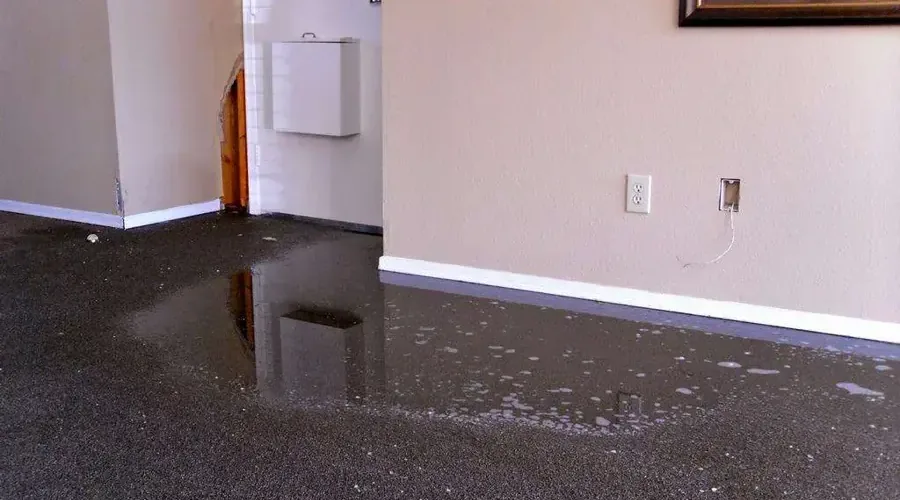
What to do first about water extraction and removal
- 1
Find the water's source
If a pipe is running, close its shutoff.
- 2
Stay clear of electricity
Stay off wet floors near outlets, and leave breakers alone unless the panel is dry.
- 3
Lift what you can
Raise furniture onto blocks and move rugs to a dry room.
- 4
Document the loss
Take photos and short video of the water depth and damaged items before extraction.
What does water extraction and removal cost in Murray, UT?
Water extraction and removal typically runs from about $900 to more than $11,000, set by the depth of the water, the number of rooms and whether gray or contaminated water is involved.
Clean water in one room
$900 to $2,500
- Pump-out
- Wand pass
- Moisture map
Water across a few rooms
$2,500 to $5,500
- Larger pump setup
- Pad removal
- Logged readings
Full level or gray water
$5,500 to $11,000+
- Debris removal
- Sanitizing
- Extended drying
Ranges are typical, never a quote: the water category, the square footage, the material class and how fast drying started move the number most. For a planning figure, try the water damage cost calculator.
Extraction is the step that sets how large the whole job becomes. The longer water sits on carpet and against drywall, the higher it climbs and the deeper it soaks, so removing it before any drying equipment is set up saves the most material.
Water near the creek corridors
Big Cottonwood Creek and Little Cottonwood Creek run between properties and along streets on their way to the Jordan River. Where rain or snowmelt backs water into a room near those corridors, a prompt pump-out keeps it from soaking into the structure.
Two tools, one goal
Pumps clear depth quickly. Wands then pull water out of carpet and pad that a pump cannot reach.
- Submersible pumps move deep water out through hoses to a safe discharge point
- Truck-mounted extractors lift water from carpet and padding in passes
- Floors are checked with meters afterward to show what stayed wet
Handing off to drying
Once the visible water is gone, moisture still hides in pad, baseboard and wall bases. The crew records readings and passes them to the structural drying plan so the equipment goes where the wet material actually is. Lifting wet carpet and pad early is a judgment call: clean-water carpet is often kept and dried, while pad usually goes.
How water extraction and removal is handled
Each step follows the IICRC S500 drying standard and leaves a record for the claim file. Equipment stays until the readings say dry.
- 1
Assess
Meters and a walk-through mark the wet boundary and the water type.
- 2
Pump
Submersible units clear the depth through discharge hoses.
- 3
Extract
Wands pull moisture from carpet, pad and hard floors.
- 4
Hand off
Readings go to the drying plan with the wet areas marked.
Water extraction and removal across Murray and nearby communities
Extraction work reaches homes and shops along the Jordan River Parkway, Little Cottonwood Creek and Big Cottonwood Creek corridors, plus Bergertown, South Cottonwood and Cottonwood West, from Highland Drive across to State Street.
The same service nearby: water extraction and removal in Midvale, Taylorsville, Holladay.
Water Extraction and Removal questions in Murray
Still dealing with it?
Standing water in the house? The extraction crew pumps it out, lifts the wet pad and maps what stayed damp.
(888) 558-4812 Ask about the pump-outHow fast does water need to come out?
As quickly as possible. Water soaks into pad and drywall right away, and damp material left shut up can grow mold in 24 to 48 hours.
Can wet carpet be saved after extraction?
Often yes, if the water was clean and extraction started early. The pad underneath is usually replaced, and carpet touched by gray or contaminated water is removed.
What is the difference between extraction and drying?
Extraction takes out the liquid water with pumps and wands. Drying then removes the moisture left in materials and air using air movers and dehumidifiers over several days.
Does insurance cover extraction costs?
When the cause is sudden, such as a failed pipe or appliance, extraction is commonly part of a covered loss. Flood and surface water often need separate coverage, so owners check their policy.
What if the water is still rising?
Standing water from an active source needs the source stopped first. Once the supply is closed or the flow has slowed, the pump-out can begin; see storm flood cleanup for outdoor water.
Water on the floor? Get it pumped out.
The longer water stays in carpet and drywall, the more of the room has to be replaced. Pumping first keeps the drying job smaller.