Water Extraction and Removal in Taylorsville, UT
Standing water soaks deeper with every hour. The extraction crew pulls it from carpet, pad and hard floors first, so the drying that follows has far less to remove.
(888) 558-4812 Pull the standing water out- Pumps and weighted tools
- Pad pressed dry
- Meters check the rest
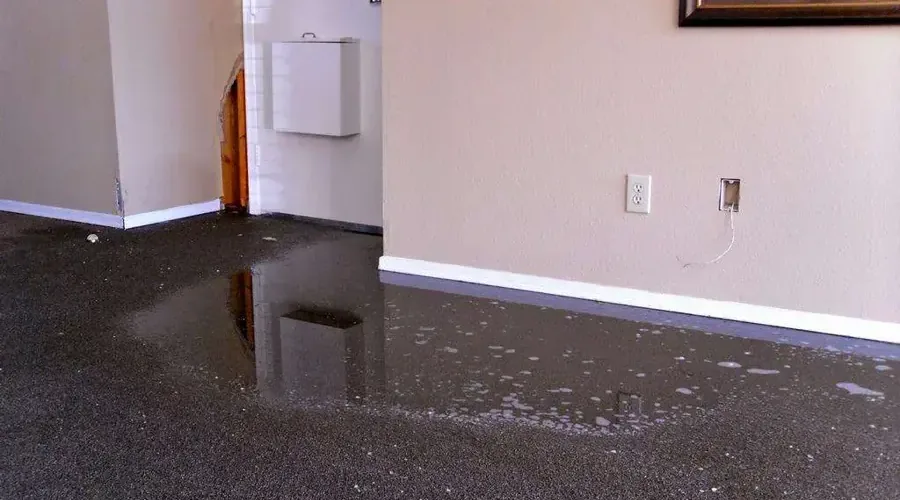
What to do first about water extraction and removal
- 1
Stop the source
Close the valve or main shutoff so no more water enters.
- 2
Keep power away from water
Shut off breakers for wet rooms only if the panel is dry.
- 3
Lift loose items
Pull rugs, cords and small furniture from the wet floor.
- 4
Skip household fans
Fans can push moisture into dry rooms before extraction is done.
What does water extraction and removal cost in Taylorsville, UT?
Extraction pricing follows the wet area, the water category and the flooring. One clean-water room runs $900 to $2,500, and a whole level or gray water reaches $5,500 to $11,000+.
One room, clean water
$900 to $2,500
- Extraction
- Pad check
- Air movers
Several rooms
$2,500 to $5,500
- Truck-mounted extraction
- Baseboards off
- Dehumidifiers
Whole level or gray water
$5,500 to $11,000+
- Pad and flooring removal
- Antimicrobial
- Extended drying
Ranges are typical, never a quote: the water category, the square footage, the material class and how fast drying started move the number most. For a planning figure, try the water damage cost calculator.
Extraction is the first and most important stage of any water loss, because every gallon pulled out is a gallon the dehumidifiers never have to handle. Standing water keeps wicking into drywall, trim and subfloor for as long as it sits.
Where the water goes and how it comes out
Water spreads to the lowest and softest places first. The crew matches the tool to the surface so the water leaves the building instead of moving around inside it.
- Submersible pumps clear deep standing water.
- Truck-mounted or portable extractors pull water from carpet.
- Weighted tools press pad so trapped water rises and can be removed.
- Wet vacuums clear tile, vinyl and corners the larger units cannot reach.
A local example of why it comes first
KSL reported that on July 4, 2013, about 1/2 inch of overnight rain flooded the bottom floor of a Taylorsville apartment building. Unified Fire located the source and cleaned up, and the Red Cross helped on scene. Standing water on that scale has to be extracted before anything else can be dried.
What extraction alone does not finish
Pulling water leaves moisture in drywall, framing and subfloor, which is why extraction is followed by structural drying. A leaking tank or pipe is handled in the same way, as with water heater failure cleanup.
How water extraction and removal is handled
Each step follows the IICRC S500 drying standard and leaves a record for the claim file. Equipment stays until the readings say dry.
- 1
Map
A meter and thermal camera show where the water traveled.
- 2
Pump and extract
Pumps and extractors remove standing water from every surface.
- 3
Press the pad
Weighted tools squeeze out what carpet pad is holding.
- 4
Hand off to drying
Air movers and dehumidifiers take over for the remaining moisture.
Water extraction and removal across Taylorsville and nearby communities
The extraction crew works across the blocks near Redwood Road and Interstate 215, on both sides of Bangerter Highway and throughout ZIP codes 84129 and 84123, from single houses to larger apartment buildings.
The same service nearby: water extraction and removal in Midvale, Murray, West Jordan.
Water damage restoration in Taylorsville · every town covered
Water Extraction and Removal questions in Taylorsville
Still dealing with it?
Water standing on the floor? The extraction crew can start pulling it out right away.
(888) 558-4812 Ask about water pump-outHow long can carpet sit under water before it is ruined?
There is no safe clock. Clean water caught early often leaves carpet salvageable, while carpet that sat in gray or sewage water is usually removed no matter how quickly it was extracted.
Is extraction the same as drying?
No. Extraction removes liquid water, and drying removes the moisture left in materials. Both are needed, and skipping the second step is how hidden damage starts.
Can a wet vacuum from a store do the job?
It helps with a small spill, but it cannot pull water from pad or reach under cabinets, so moisture stays behind and keeps spreading.
Does the crew need a dry panel to work?
The crew checks the electrical situation first and uses equipment rated for wet areas, so power to wet rooms is usually left off until the work is done.
What if the water is already gone when the crew arrives?
Moisture can still sit in the walls and floor, so a meter scan decides whether drying is needed even when nothing is visibly wet.
Standing water in the house? Get it extracted first.
Each hour that water sits, it soaks further into pad, drywall and subfloor. The restoration team removes it before anything else.