Water Extraction and Removal in West Jordan, UT
Standing water spreads into pad, baseboard and drywall the longer it sits. Extractors and pumps pull it out first, which cuts down what has to be torn out and how long drying takes.
(888) 558-4812 Call for water removal now- Truck-mounted extractors
- Pumps for deep water
- Carpet and hard floors
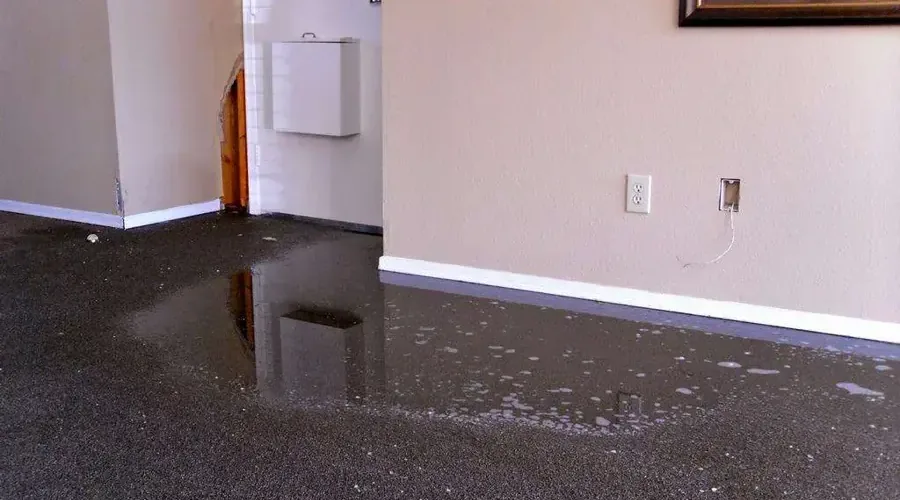
What to do first about water extraction and removal
- 1
Size up the water
The crew checks depth, category and electrical hazards, then picks pumps or extractors to match.
- 2
Pump the depth
Submersible pumps clear standing water through hoses, starting at the lowest spot.
- 3
Extract the surfaces
Extractors pull water from carpet, pad, tile and wood until only a film remains.
- 4
Hand off to drying
Meters map what is still wet, and drying equipment goes in next.
What does water extraction and removal cost in West Jordan, UT?
Extraction and removal start at about $900 for one room of clean water and run to $11,000 or more for a whole level or gray water, depending on depth and the number of rooms.
One room, clean water
$900 to $2,500
- Pump or extractor
- Carpet pass
- Meter check
Several rooms
$2,500 to $5,500
- Pad removal
- Hard floor passes
- Drying setup
Whole level or gray water
$5,500 to $11,000+
- Protective gear
- Demolition of soaked materials
- Extended drying
Ranges are typical, never a quote: the water category, the square footage, the material class and how fast drying started move the number most. For a planning figure, try the water damage cost calculator.
Extraction comes first in every kind of water loss, whether the water came from a pipe, an appliance, a roof or a drain. In a city of 116,961 people counted in 2020, that covers everything from one laundry room to a shopping center, and the rule stays the same: remove the water before drying equipment is asked to do the job.
Equipment that does the lifting
Submersible pumps handle depth, and truck-mounted or portable extractors handle carpet, pad and hard floors.
- Pumps move standing water of any depth out of the structure through hoses.
- Extractors pull water from carpet and pad, often while the carpet stays in place.
- Wet vacuums clear corners, stairs and spots the larger machines cannot reach.
- Tile, sealed wood and concrete are squeegeed and then vacuumed down to a damp film.
What the first pass decides
Once the water is out, meters show which materials are still wet and which can stay. Carpet over clean water is often saved, pad is usually discarded and drywall is checked at several heights. Those readings set the number of air movers and dehumidifiers for the drying that follows.
When extraction should start
Extraction should start as soon as it is safe to enter and power to wet areas is off. Water that sits for a day or two soaks into pad, baseboards and drywall, and after 24 to 48 hours the odds of mold growth rise, so structural drying begins right behind the extractors. Deep water in a lower level is covered under basement flooding cleanup.
How water extraction and removal is handled
Each step follows the IICRC S500 drying standard and leaves a record for the claim file. Equipment stays until the readings say dry.
- 1
Assess
Depth, category and electrical hazards are checked first.
- 2
Pump
Submersible pumps clear standing water from the lowest point.
- 3
Extract
Extractors lift water from carpet, pad and hard floors.
- 4
Map
Meters show what is still wet and where drying starts.
Water extraction and removal across West Jordan and nearby communities
Extraction crews work across the city, from the western neighborhoods of Copper Hills, Welby and Jordan Hills to the streets by the Jordan River and the commercial areas around Jordan Landing, in ZIPs 84081, 84084 and 84088.
The same service nearby: water extraction and removal in Midvale, Taylorsville, Murray.
Water damage restoration in West Jordan · every town covered
Water Extraction and Removal questions in West Jordan
Still dealing with it?
Standing water keeps spreading while it sits. Tell the crew the depth and the rooms, and the extraction can be planned.
(888) 558-4812 Ask for water removalCan wet carpet be saved after extraction?
Often, if the water was clean and the carpet is lifted and dried promptly. The pad underneath is usually replaced, and carpet that sat in gray water or sewage is removed.
How much water can the equipment remove?
Submersible pumps move large volumes through hoses, and extractors then work the surfaces. Depth, access and the number of rooms set how many passes are needed.
Is extraction enough without drying equipment?
No. Even after extraction, framing, drywall and subfloors hold moisture, so meters direct air movers and dehumidifiers until the structure reads dry.
Does the crew extract water in commercial buildings?
Yes. Larger floors use truck-mounted equipment and wider extraction tools, and the work is planned one suite at a time so the rest of the building can keep operating.
What should be done before the crew starts?
Stay out of standing water near outlets, lift small items to dry spots and photograph the room. Leave carpet and furniture in place so the crew can judge what to save.
Water standing in the house?
A short call covers the depth, the flooring and the source of the water, so pumps or extractors can be loaded to match.