Water Damage Restoration Holladay, UT
Basement seepage, a failed water heater, a broken main or creek runoff can soak a home fast. The restoration team extracts the water, opens wet walls and dries the structure to the IICRC S500 standard.
(888) 558-4812 Call a drying crew about your wet home- Water extraction
- Structural drying
- Photo-documented work
Basement, pipe, sewage and storm water jobs across Holladay, with drying logs kept for the insurance file.
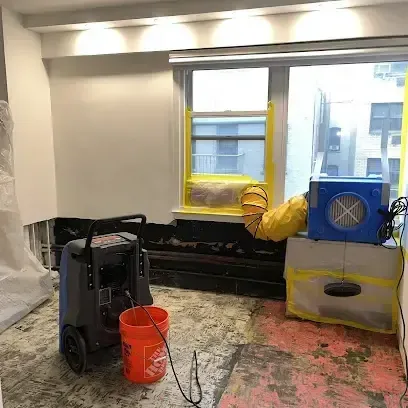
Twelve water damage services, one drying crew
From a damp basement to a cracked supply pipe, each service starts with stopping the source, then extracting, drying and checking the readings before anything is rebuilt.
Inside the home
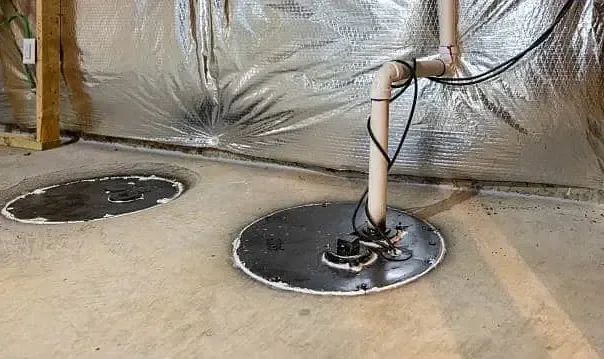 Basement Flooding Cleanup Seepage, a failed sump pump or heavy runoff in a lower level, pumped out before drywall and carpet are lost. View service
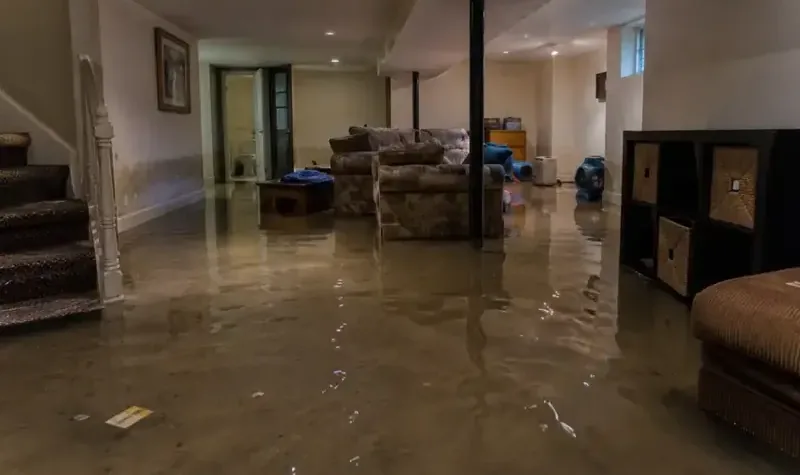 Window Well Flooding Cleanup Water that pools in a window well and spills past the glass or frame into a basement room. View service
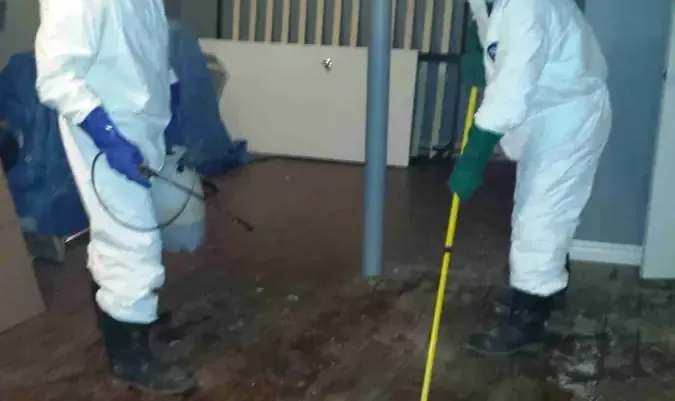 Sewer Backup Cleanup Sewage rising from a floor drain, removed, disinfected and dried as contaminated Category 3 water. View service
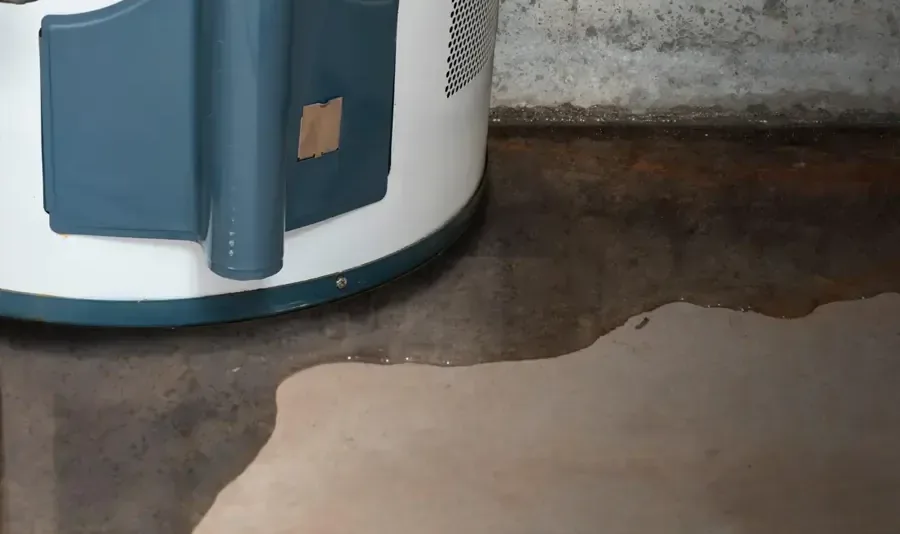 Water Heater Failure Cleanup A tank that splits or leaks, with the water pulled from the utility room and nearby finished space. View service
Weather, roof and commercial losses
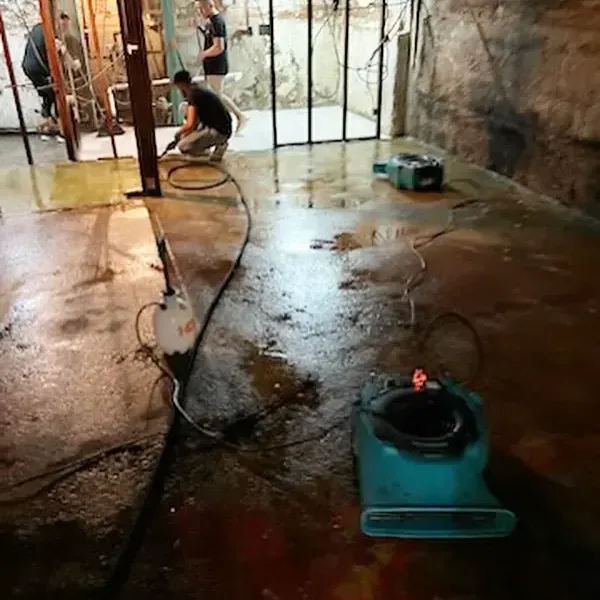
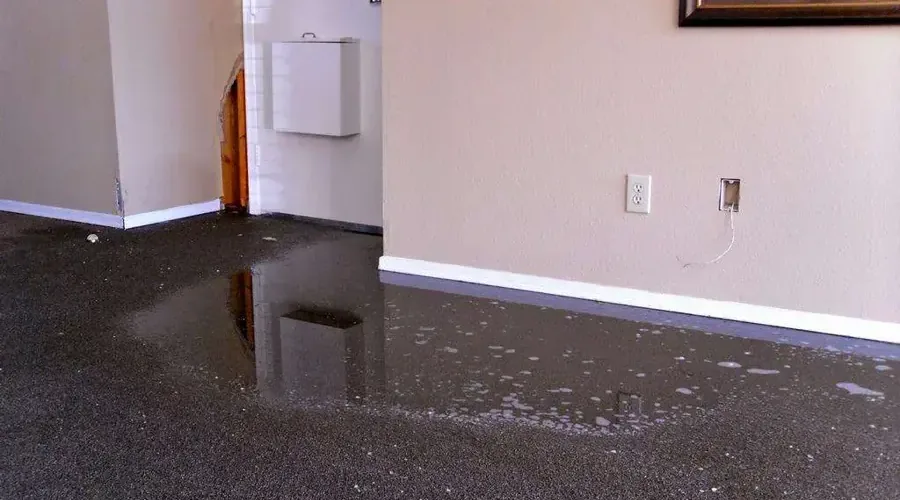 Water Extraction and Removal Standing water lifted from carpet, pad and flooring with truck-mounted and portable extractors.
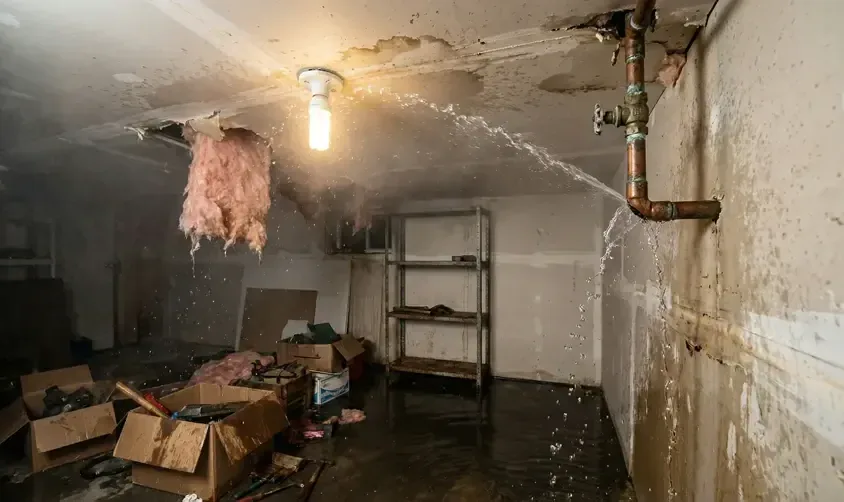 Burst Pipe Cleanup A split pipe in a wall or ceiling, with wet materials removed and the cavity dried.
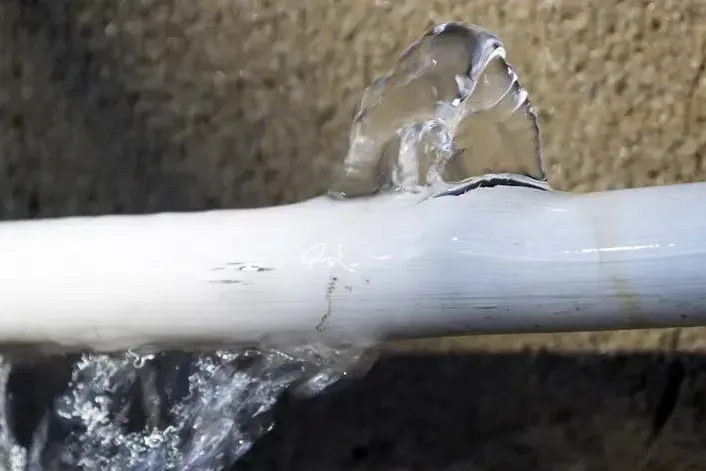
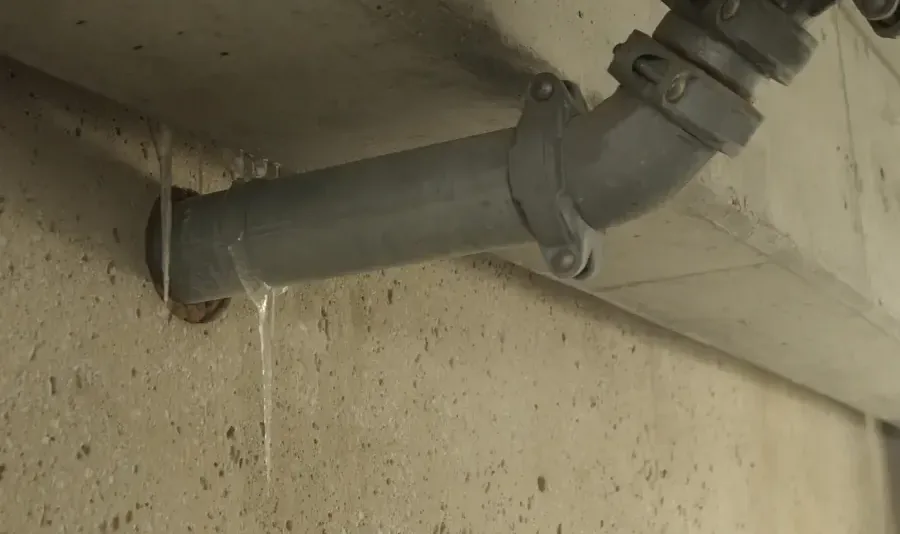 Frozen Pipe Cleanup Cracked pipes that thaw into a flood, with the standing water removed and the wall dried.
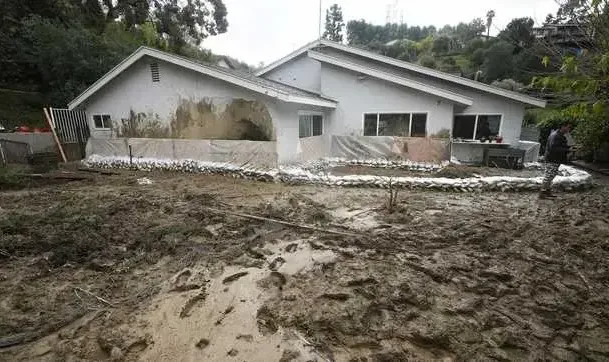 Cloudburst and Flash Flood Cleanup Cloudburst and snowmelt runoff that reaches a garage or lower level, cleared of mud and standing water.
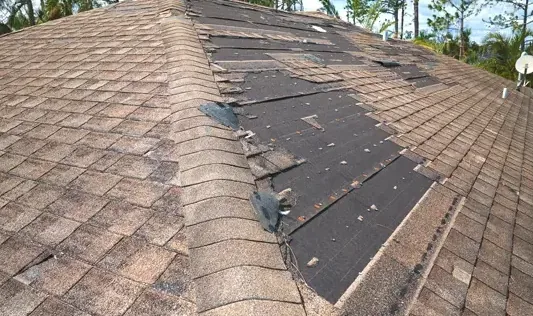 Roof Leak and Ice Dam Water Damage Roof and ice dam leaks that soak insulation and ceilings, dried from the attic down.
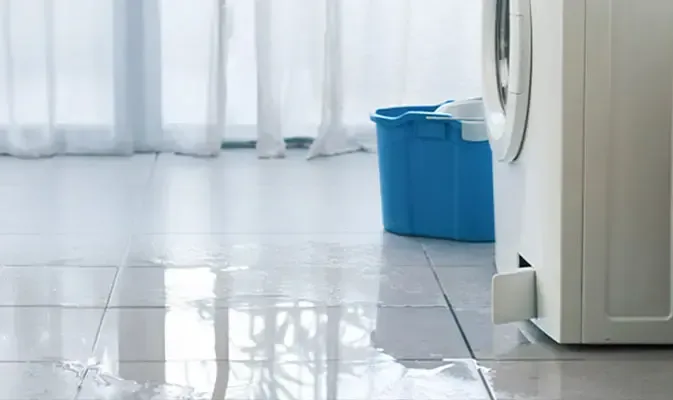 Appliance and Supply Line Leaks Washers, dishwashers and refrigerator supply hoses that leak under cabinets and floors.
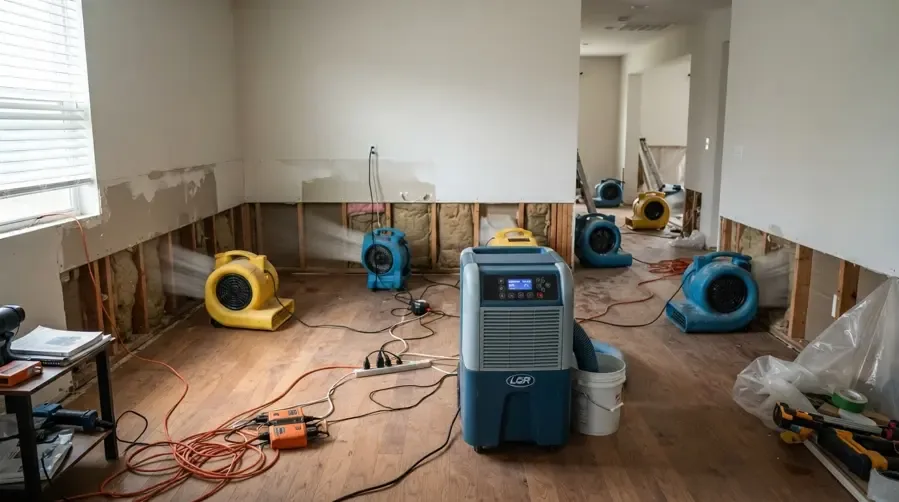
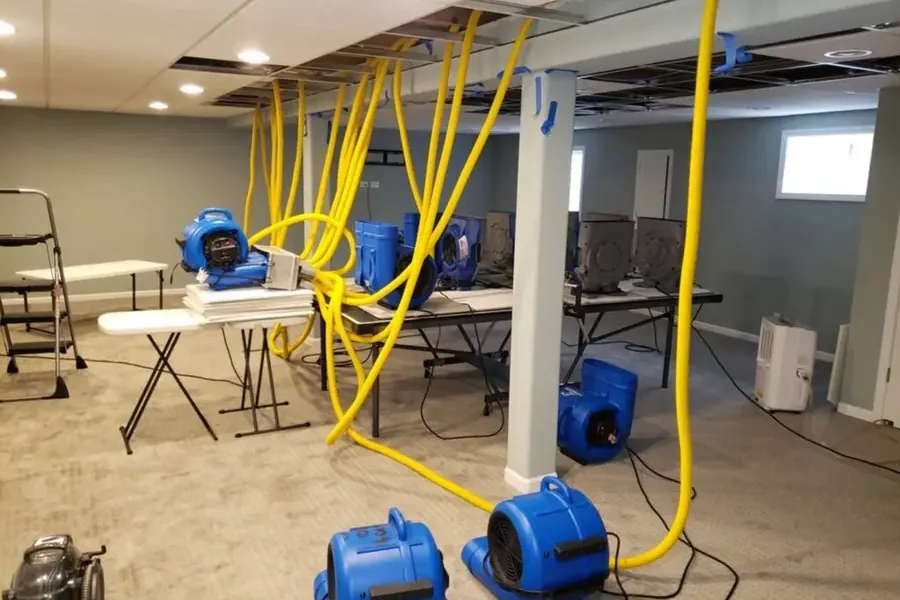 Structural Drying and Dehumidification Air movers, dehumidifiers and daily moisture readings that bring a wet structure back to dry.
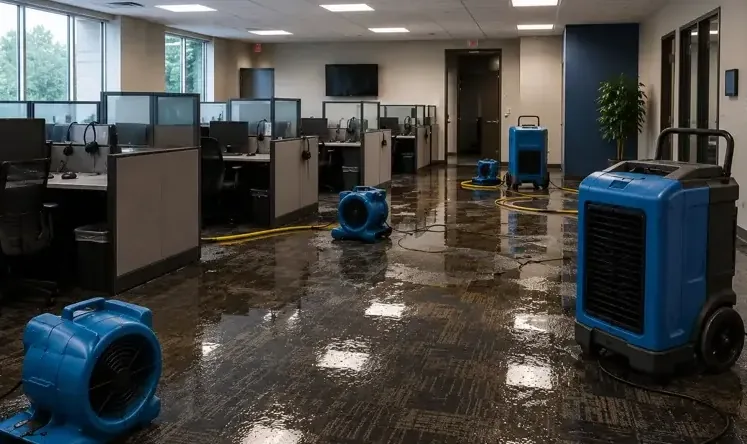 Commercial Water Damage Water losses in shops, offices and shared buildings, dried in stages to limit downtime.
A drying crew built around measured results
The restoration team documents each step with photos and moisture readings, so the homeowner and the adjuster see the same facts and the drying stops only when the numbers say dry.
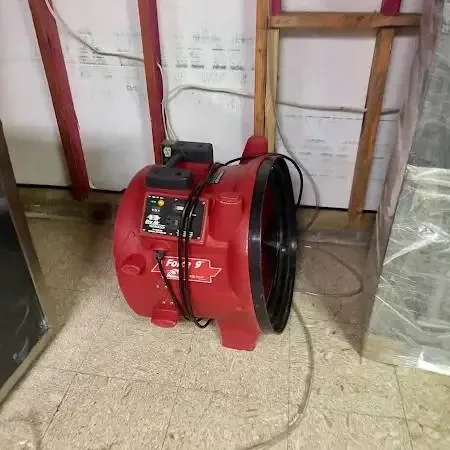
Water out first
Extraction comes before anything else, because standing water keeps pushing moisture into drywall, subfloor and framing while the rest of the plan is made.
Readings, not guesses
Moisture meters and thermal checks decide what gets removed, what stays and when the equipment can finally leave the house.
Insurance-ready records
Dated photos, readings and daily drying logs are kept in order so a claim file shows exactly what was wet and how it dried.
Rebuild-ready dry
The goal is a structure dried to the IICRC S500 standard, so new flooring and drywall go back without trapped moisture behind them.
What to do right after water shows up
- 1
Stop the water
Shut the main valve or the appliance valve if it is safe to reach, then switch off power to wet outlets from a dry spot.
- 2
Stay out of sewage
Water from a drain or toilet is Category 3, so keep children, pets and bare hands away until the crew handles it.
- 3
Photograph everything
Take wide and close photos of the wet areas, damaged items and appliance labels before anything is moved or tossed.
- 4
Lift small valuables
Move rugs, electronics, books and paper off wet floors, but leave heavy furniture and wet drywall for the crew.
- 5
Call the drying crew
Describe the source, the rooms affected and whether sewage is involved so the right equipment is planned.
Dry means measured, not just feeling dry
A surface that feels dry can still hold water in the studs and subfloor. The drying team compares readings against an unaffected area and keeps equipment running until the wet materials match it.
- 1
Extract the water
Truck-mounted and portable extractors remove standing water from carpet, pad and hard floors before any drying equipment goes in.
- 2
Map
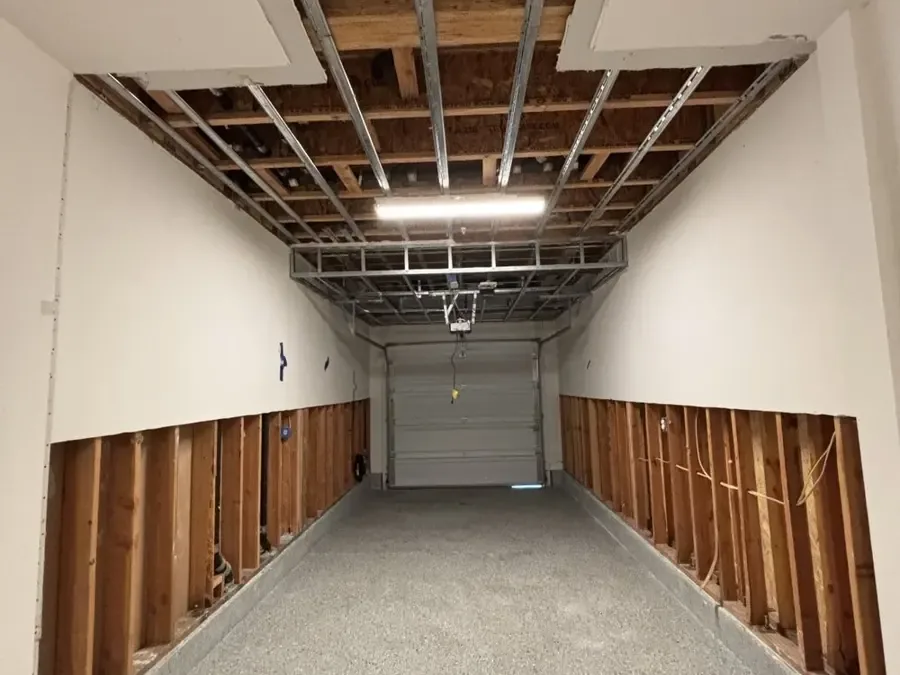
Moisture meters and thermal imaging trace the water into walls, ceilings and subfloors so cutting stays limited to wet material.
- 3
Dry
Air movers and dehumidifiers run in a closed, controlled space while the team records readings at every visit.
- 4
Confirm
Final readings are compared with dry reference points, and the equipment leaves only when the structure meets the goal.
- IICRC S500 drying standard
- Daily moisture readings
- Equipment removed only when dry
What does water damage cleanup cost here?
Most jobs land in one of three tiers, from a single wet room to a whole lower level, and the final number depends on how far the water spread, how long it sat and whether it was clean or contaminated.
Small wet area
$1,200 to $3,000
- Water extraction
- Air movers placed
- Moisture readings each visit
A room plus the floor or ceiling beside it
$3,000 to $7,500
- Wet drywall cut out
- Dehumidifier running
- Baseboards and pad removed
Whole level or contaminated water
$7,500 to $18,000+
- Full tear-out
- Disinfecting
- Extended drying
These are typical ranges, not quotes. The wet area, the water category, finished materials and rebuild work all move the final price, and an on-site look sets the real number.
Equipment the crew brings
- Dated photos of the source and each wet room
- Moisture readings recorded from the first visit
- A written list of every material removed
- Drying logs showing equipment and readings
- An itemized invoice with equipment days
Documentation that supports a water claim
Sudden pipe, appliance and water heater failures are often claimed, so the crew records the source, the affected rooms and every material that was removed.
What the homeowner can do
Take photos before moving anything, keep damaged items until the adjuster has seen them, and save receipts for hotel stays or temporary repairs.
Report the loss promptly and ask the insurer what proof it wants for sewage, seepage or storm water, because coverage for each can differ by policy.
Three common water losses explained
A burst pipe in a wall
Water from a split pipe travels through the cavity and into the ceiling below, so the leak is stopped and the wet drywall is opened for drying.
Burst pipe cleanupA leaking appliance
Washers, dishwashers and refrigerators leak slowly under cabinets, where the subfloor stays wet long after the surface looks fine.
Appliance leak cleanupSewage in a drain area
Backups bring Category 3 water, so porous materials are removed and the area is disinfected before any drying begins.
Sewer backup cleanupWhat water damage cleanup looks like in the field
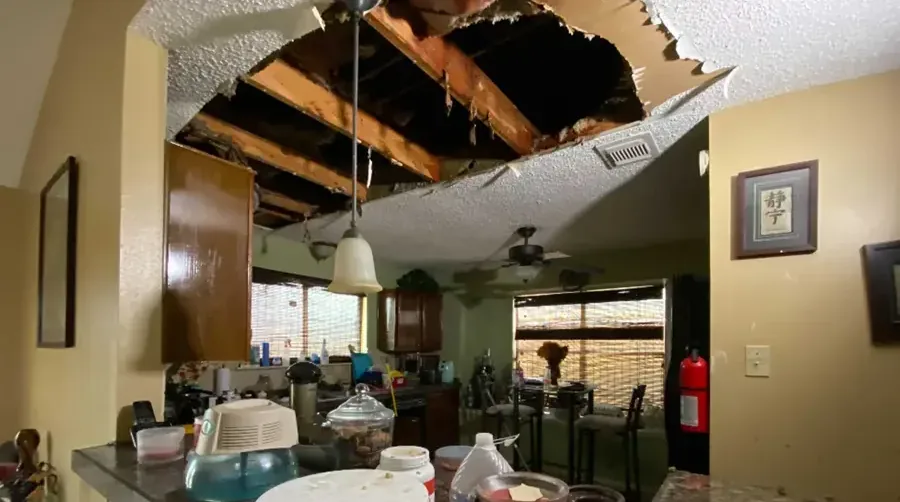
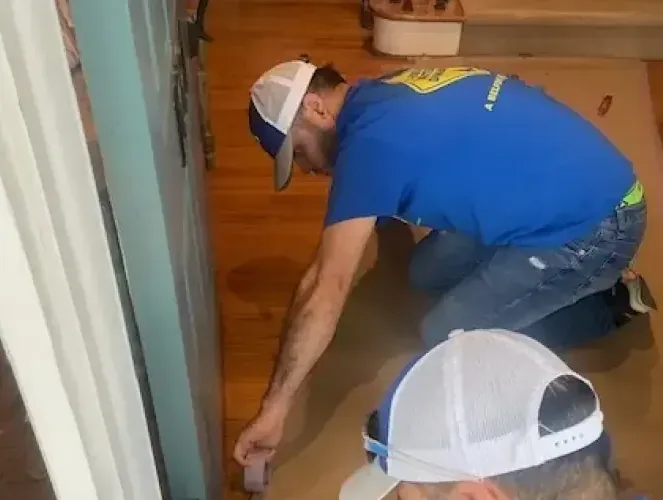
Water damage service across Holladay
Standing water in the house right now?
The restoration team works in all three Holladay ZIP codes, from streets near Big Cottonwood Creek to homes around Holladay Village and Knudsen's Corner.
Describe what happened and which rooms are wet, and the crew will plan the extraction and drying equipment for the job.
- (888) 558-4812
- Dispatch around the clock, holidays included
- [email protected] (non-urgent questions)
Neighborhoods and corridors
- Holladay Village
- Holladay Boulevard
- Knudsen Park
- Knudsen's Corner
- Canyon Cove
- Cottonwood Mall site
- Big Cottonwood Creek
Nearby service areas
Water problems that show up in Holladay
Big Cottonwood Creek carries snowmelt from Big Cottonwood Canyon toward the Jordan River, and the city has also seen water main breaks and neighborhood basement seepage reported in recent years.
- Basement seepage In May 2023 several basements in one neighborhood took in water while Big Cottonwood Creek was not overflowing, one with about two inches, and a plumber drilled the floor to fit a pump.
- Utility pipe breaks Four water pipe breaks in one day on April 27, 2025 left a neighborhood without water on ductile iron pipe from the 1980s, and one driveway flooded completely.
- Spring snowmelt The National Weather Service measured Big Cottonwood Creek near 340 cubic feet per second on May 16, 2023, with 650 forecast, above its action stage of about 600.
- Shared building floods A water main break near Heughs Circle on June 13, 2019 flooded Canyon Ranch Condos and left several nearby residents without water.
- Slow leaks that go unnoticed About 24.3% of Holladay households are one person living alone, so a slow supply hose or water heater leak can run a while before anyone sees it.
May 16, 2023 Holladay declared a state of emergency over an imminent risk of localized flooding as warm weather sped snowmelt in Big Cottonwood Canyon, and volunteers filled sandbags for neighbors.

Holladay water damage questions
Need help with water damage now?
Describe the source, the rooms affected and any sewage, and the restoration team will explain the first steps and what drying equipment the job needs.
(888) 558-4812 Ask about your wet roomsHow quickly does water damage need to be dried?
As early as possible. Wet drywall and carpet pad can start growing mold within 24 to 48 hours, and standing water keeps pushing moisture into framing, so extraction and airflow should begin as soon as the source is stopped.
Can a basement flood when the creek is calm?
Yes. In May 2023 several Holladay basements took in water while Big Cottonwood Creek was not overflowing, and an underground source was the best guess. Water from below needs a pump and a source check before drying begins.
What should be done when sewage comes up a drain?
Keep people and pets out, do not run more water and avoid touching anything wet. Sewage is Category 3 water, so porous materials are removed and surfaces disinfected during sewer backup cleanup.
Who handles a water main break near the house?
The Salt Lake City Department of Public Utilities handles water main breaks in parts of Holladay, including the Canyon Cove area. The restoration team handles the water that reaches the house: extraction, drying and a record of the loss.
Are burst pipes and appliance leaks usually covered?
Sudden pipe and appliance failures are often covered, while slow long-term leaks often are not, but every policy differs. The homeowner should ask the insurer, and the crew supplies photos, readings and drying logs.
What does a finished basement cleanup cost?
A single finished basement room usually runs about $4,500 to $9,500, and a whole finished basement or any sewage job runs $9,500 to $22,000 or more. See basement flooding cleanup for the full breakdown.
Can fans and a dehumidifier handle it alone?
Household fans help only after the source is stopped and standing water is out. They cannot reach wet framing, insulation or subfloor, which is why meters and heavier equipment decide when drying is truly finished.
How long does structural drying take?
Most jobs run several days with equipment in place, and the crew checks readings at each visit. Dense materials such as hardwood, subfloor and framing take longest, so the finish date follows the meter, not the calendar.
What if a water heater leaks in the basement?
Shut off the cold supply and the power or gas to the unit if it is safe, then call. A split tank can empty its whole load onto the slab; see water heater failure cleanup for what the work covers.
Does the crew work on commercial buildings too?
Yes. Shops, offices and shared residential buildings are dried in stages, so one suite can be finished while others are still being worked, and the records are kept for the building owner's insurer.
Wet floors and walls need attention before they spread
Describe the damage, and the response team will walk through the first steps and set up the right extraction and drying equipment.