Cloudburst and Flash Flood Cleanup in Holladay, UT
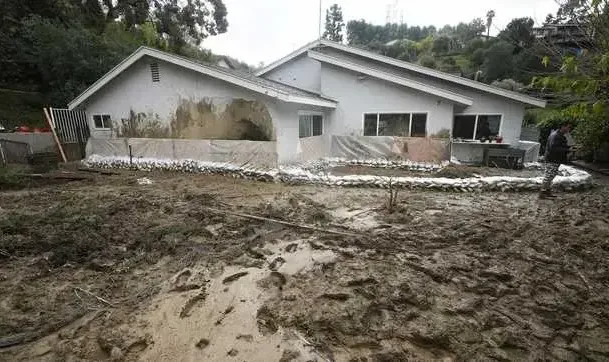
Runoff from a cloudburst or fast snowmelt can push mud and water into a garage, window well or lower level. The extraction crew clears the water and silt, then dries what the flood soaked.
(888) 558-4812 Call about storm water in the house- Mud removal
- Water extraction
- Lower level drying
What to do first about cloudburst and flash flood cleanup
- 1
Get the mud out
Shovels and wet-vacs remove silt and debris before it dries and hardens on floors.
- 2
Extract the water
Pumps and extractors clear standing water from the garage, slab and lower rooms.
- 3
Wash and treat
Surfaces are washed down and cleaned, and ruined pad and low drywall are removed.
- 4
Dry the level
Dehumidifiers and air movers run until concrete and framing read dry.
What does cloudburst and flash flood cleanup cost in Holladay, UT?
Storm water cleanup costs more than a clean leak because of the mud, the washing and the materials discarded, rising with every room the runoff reached.
Garage or unfinished space
$1,500 to $4,500
- Mud removal
- Water extraction
- Slab drying
Finished basement room
$4,500 to $10,000
- Carpet and pad removed
- Drywall cut out
- Washing and treating
Whole lower level
$10,000 to $25,000+
- Full tear-out
- Disinfecting
- Extended drying
Ranges are typical, never a quote: the water category, the square footage, the material class and how fast drying started move the number most. For a planning figure, try the water damage cost calculator.
Storm water is rarely clean. It arrives carrying mud, silt and debris, and it fills window wells, garages and lower levels faster than a sump pump can keep up. The first job is getting the water and the sediment out before they settle into carpet and drywall.
A snowmelt emergency in May 2023
On May 16, 2023, Holladay declared a state of emergency over an imminent risk of localized flooding as warm weather sped snowmelt in Big Cottonwood Canyon. The National Weather Service measured Big Cottonwood Creek at about 340 cubic feet per second that day, with about 650 forecast, above an action stage of about 600.
- Volunteers filled sandbags to help neighbors protect their properties
- Part of Knudsen Park was closed because the creek runs along its west boundary
- The declaration let the city seek outside help if the creek flooded
What the cleanup does after storm water
Mud and silt are shoveled and vacuumed out first, then water is extracted and the area is washed down. Because flood water is gray at best, carpet and pad that took it in are usually discarded, and the remaining surfaces are cleaned before drying starts.
Window wells that overflowed are covered in window well flooding cleanup, and standing water in any room is handled under water extraction.
How cloudburst and flash flood cleanup is handled
Each step follows the IICRC S500 drying standard and leaves a record for the claim file. Equipment stays until the readings say dry.
- 1
Call
Describe where the runoff came in and how deep it got.
- 2
Survey
The crew checks for mud, depth and wet walls.
- 3
Clear and wash
Mud and water come out and surfaces are cleaned.
- 4
Dry
Equipment runs until the readings agree.
Cloudburst and flash flood cleanup across Holladay and nearby communities
Storm water cleanup covers garages, window wells and lower levels in ZIP codes 84117, 84121 and 84124, from the streets beside Knudsen Park and Big Cottonwood Creek to the homes nearest Wasatch National Forest.
The same service nearby: cloudburst and flash flood cleanup in Midvale, Cottonwood Heights, Murray.
Cloudburst and Flash Flood Cleanup questions in Holladay
Still dealing with it?
Tell the response team where the runoff came in and how deep it got, and they will explain the mud removal and extraction plan.
(888) 558-4812 Describe the storm waterIs storm water the same as clean water?
No. Flood and runoff water carries soil, bacteria and debris, so it is treated as gray at best and porous materials are usually discarded.
Should sandbags stay in place after the water drops?
Sandbags that touched flood water can be contaminated, so they are handled with gloves and disposed of properly rather than reused near the house.
How fast can mud damage a floor?
Mud dries into a crust that traps moisture and stains concrete and carpet, which is why it is removed before the water is fully dried.
Does the crew remove water from a garage?
Yes. Garages and unfinished spaces are the most common storm losses, and pumps and extractors clear them before drying starts.
Will insurance cover storm runoff?
That depends on the policy and on how the water entered, so the homeowner should ask the insurer. The crew documents the loss with photos and readings.
Mud and runoff settle in fast
The crew clears the mud, extracts the water and dries the space, with readings kept in the file the whole way.