Cloudburst and Flash Flood Cleanup in Murray, UT
Heavy rain on dry ground or fast snowmelt sends muddy water toward low doors, garages and lower floors. The extraction crew removes the runoff and silt, opens the wet materials and dries what is left.
(888) 558-4812 Storm water inside? Clear it out- Runoff pump-out
- Mud and silt removal
- Structure drying
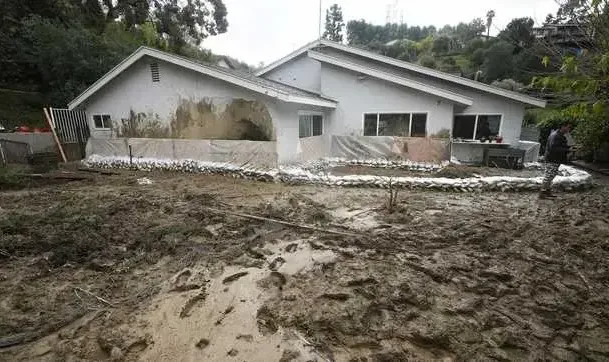
What to do first about cloudburst and flash flood cleanup
- 1
Stay out of the water
Floodwater can hide debris and live wires, so stay out of it.
- 2
Cut power only if dry
Switch off the panel only if the floor around it is dry; otherwise wait for the utility.
- 3
Protect what you can
Sandbags, towels and raised furniture keep more water from reaching belongings.
- 4
Record the water level
Photograph the watermark on the walls and each damaged item before cleanup.
What does cloudburst and flash flood cleanup cost in Murray, UT?
Cloudburst and flash flood cleanup runs from about $1,500 to over $25,000, set by how much of the lower level flooded, how much silt came in and how long the water sat.
A garage or bare lower area
$1,500 to $4,500
- Pump-out
- Silt removal
- Spot drying
One finished lower room
$4,500 to $10,000
- Carpet removed
- Wall base cut
- Air movers
The entire lower level
$10,000 to $25,000+
- Debris hauled
- Sanitizing
- Long dry-out
Ranges are typical, never a quote: the water category, the square footage, the material class and how fast drying started move the number most. For a planning figure, try the water damage cost calculator.
Flood water from outdoors is rarely clean. It crosses yards, roads and driveways, then enters through doors, vents and window wells carrying soil, oil and bacteria. That mix makes storm flooding a different job from a leaking appliance, even when the room looks similar.
How the water gets in
The National Weather Service describes two typical Utah flood types: snowmelt flooding in spring, when warm temperatures melt snow and the water runs off saturated ground into streams, and flash flooding, when heavy rain falls on extremely dry land and rushes toward low-lying areas.
Inside town, Big Cottonwood Creek and Little Cottonwood Creek join the Jordan River, and wetlands adjoin all three, so storm water moves through a landscape with several channels.
What storm cleanup involves
- Runoff is pumped out and silt is shoveled or vacuumed from floors
- Porous materials the water reached are removed instead of dried
- Hard surfaces are washed, sanitized and left to dry
- Air movers and dehumidifiers finish the job under daily readings
Why speed and sorting matter
Silt dries into a crust that traps moisture against concrete and framing. The mitigation team separates what can be saved from what cannot and records the water levels for the claim, then moves into structural drying once the debris is gone.
How cloudburst and flash flood cleanup is handled
Each step follows the IICRC S500 drying standard and leaves a record for the claim file. Equipment stays until the readings say dry.
- 1
Pump
Runoff is pumped from garages and lower floors.
- 2
Clear
Silt and debris are shoveled and vacuumed out.
- 3
Sanitize
Surfaces the water touched are washed and treated.
- 4
Dry
Air movers and dehumidifiers run until readings settle.
Cloudburst and flash flood cleanup across Murray and nearby communities
Storm cleanup covers homes and shops along the Little Cottonwood Creek and Big Cottonwood Creek corridors, near the Jordan River Parkway and across Bergertown, Fireclay, Cottonwood West and South Cottonwood in ZIP codes 84107, 84117, 84121 and 84123.
The same service nearby: cloudburst and flash flood cleanup in Midvale, Taylorsville, Holladay.
Cloudburst and Flash Flood Cleanup questions in Murray
Still dealing with it?
Storm water in the garage or lower level? The extraction crew pumps it out, clears the silt and starts drying.
(888) 558-4812 Ask about storm water cleanupIs storm flood water considered clean?
No. Water that has crossed ground and pavement carries soil, oil and bacteria, so it is treated as contaminated, and porous materials it soaked are usually removed rather than dried.
Should I start cleanup before the water recedes?
Not while water is still rising or moving. Safety comes first, then pumping can begin once the flow has slowed and the power situation is clear.
Does homeowners insurance cover flash flooding?
Standard homeowners policies usually exclude flood from surface water, while a separate flood policy covers it. Owners should check their coverage and keep photos of the damage and the watermark.
How long does silt cleanup and drying take?
Clearing mud and debris often takes a day. Drying a flooded lower level then runs several days, longer for concrete and framing, with readings showing when it is done.
Can anything be saved after contaminated flooding?
Hard items such as concrete, tile, framing and many furnishings can be washed and sanitized. Carpet, pad, insulation and soft furnishings that soaked up the water are normally discarded. Sewer backup cleanup uses the same sorting when sewage mixed in.
Cloudburst hit the lower level? Clear it out.
Mud and runoff left sitting against framing and concrete keep soaking in, so removing them and measuring the dry-down comes first.