Cloudburst and Flash Flood Cleanup in Taylorsville, UT
Even a modest storm can flood a bottom floor. The extraction crew removes rain water and mud, sorts what can be saved and dries the structure before moisture settles in.
(888) 558-4812 Get storm water pumped out- Rain water extracted
- Mud and debris cleared
- Structure dried
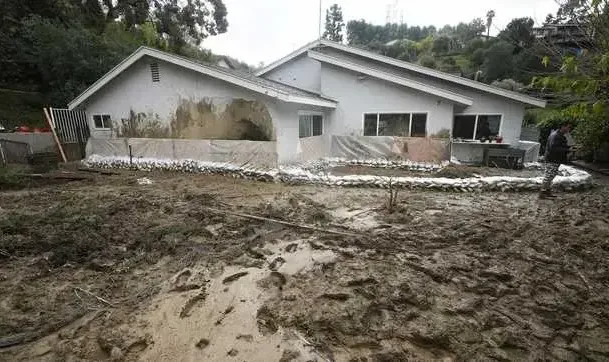
What to do first about cloudburst and flash flood cleanup
- 1
Stay out of moving water
Do not wade into flowing water in a garage or yard.
- 2
Cut power to wet areas
Switch off breakers only if the panel is dry, and avoid cords.
- 3
Photograph the entry points
Show the doors, windows and drains the water used.
- 4
Move valuables up
Lift documents, electronics and keepsakes to dry shelves.
What does cloudburst and flash flood cleanup cost in Taylorsville, UT?
Storm losses range from a garage with runoff to a fully flooded lower level, running $1,500 to $4,500 for the garage case and $10,000 to $25,000+ for the whole lower level.
Garage or unfinished space
$1,500 to $4,500
- Extraction
- Mud removal
- Floor disinfecting
Finished basement room
$4,500 to $10,000
- Carpet and pad removal
- Wall cut-outs
- Dehumidifiers
Whole lower level
$10,000 to $25,000+
- Extraction in every room
- Contents moved
- Extended drying
Ranges are typical, never a quote: the water category, the square footage, the material class and how fast drying started move the number most. For a planning figure, try the water damage cost calculator.
Storm water is different from a pipe leak. It crosses yards and streets before it comes in, so it carries soil and bacteria and is treated as contaminated. The same rain can look harmless outside and still leave a floor under several inches of water.
What one modest storm did here
KSL reported that on July 4, 2013, about 1/2 inch of overnight rain flooded the bottom floor of a Taylorsville apartment building, reaching about 24 apartments and displacing 75 people. Unified Fire responded and the Red Cross helped on scene. The lesson is that heavy rain does not need to be extreme to cause a real flood.
How the cleanup runs
Speed matters because mud dries into the floor and runoff soaks into porous materials.
- Standing water is pumped from the floor and garage.
- Mud and debris are shoveled and vacuumed out.
- Carpet, pad and soaked insulation that held runoff are removed.
- Hard surfaces are disinfected before drying equipment is set.
When rain is not the only problem
A storm can also overload a roof edge or a drain. If water came from a drain, sewer backup cleanup applies, and if it came through the roof, roof leak water damage fits better. The crew sorts out which source is involved on the first visit.
How cloudburst and flash flood cleanup is handled
Each step follows the IICRC S500 drying standard and leaves a record for the claim file. Equipment stays until the readings say dry.
- 1
Pump
Standing water leaves the building first.
- 2
Clear
Mud and debris are removed and the surfaces are disinfected.
- 3
Remove
Soaked porous materials come out.
- 4
Dry
Equipment runs until readings return to normal.
Cloudburst and flash flood cleanup across Taylorsville and nearby communities
The crew responds to flooded garages and lower floors from Bennion Hill to the blocks near Interstate 215, along Bangerter Highway and Redwood Road, and across ZIP codes 84129 and 84123, wherever runoff has found a way in.
The same service nearby: cloudburst and flash flood cleanup in Midvale, Murray, West Jordan.
Water damage restoration in Taylorsville · every town covered
Cloudburst and Flash Flood Cleanup questions in Taylorsville
Still dealing with it?
Rain water in the garage or lower floor? The extraction crew can start with the pumps.
(888) 558-4812 Ask about storm water removalWhy is storm water treated as contaminated?
Runoff crosses lawns, streets and drains before it enters the building, so it carries soil, bacteria and chemicals. Porous materials it reached are usually removed.
Does homeowners insurance cover rain flooding?
Many policies treat rising or runoff water differently from water from a pipe, and some need a separate flood policy. The adjuster reads the wording before deciding.
How soon after the rain should cleanup begin?
As soon as it is safe. Mud dries into floors and runoff soaks into pad and drywall, so waiting makes the cleanup bigger.
Can an apartment building flood from a modest storm?
Yes. The July 2013 loss started with about 1/2 inch of overnight rain, and several apartments ended up with at least 3 to 4 inches of water.
Is mud a problem if the water has already drained?
Yes. Mud holds moisture and contamination against the floor, so it is removed and the surface is disinfected before drying equipment is set.
Flooded after heavy rain? Get the water out and the mud cleared.
Storm runoff carries soil into every gap. The response team extracts, sorts the soaked materials and dries the space.