Cloudburst and Flash Flood Cleanup in West Jordan, UT
Heavy rain and fast runoff can push muddy water into garages, window wells and lower levels. The crew extracts it, removes what the mud and water ruined, and dries and sanitizes the structure.
(888) 558-4812 Call about the storm water- Mud and runoff removal
- Garage and lower level
- Sanitizing
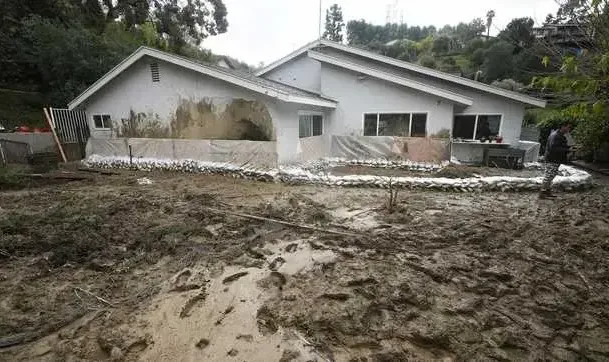
What to do first about cloudburst and flash flood cleanup
- 1
Make the area safe
Power to wet areas is shut off and the crew puts on protective gear before entering.
- 2
Clear mud and water
Mud is shoveled out, then pumps and extractors remove the standing water.
- 3
Remove and disinfect
Soaked porous materials are discarded, and hard surfaces are scrubbed and disinfected.
- 4
Dry the structure
Air movers and dehumidifiers run until meter readings confirm everything is dry.
What does cloudburst and flash flood cleanup cost in West Jordan, UT?
Storm flood cleanup starts near $1,500 for a garage or unfinished space and reaches $25,000 or more for a whole lower level, with mud and contamination driving the upper end.
Garage or unfinished space
$1,500 to $4,500
- Mud removal
- Extraction
- Air movers
Finished basement room
$4,500 to $10,000
- Pad and carpet out
- Disinfecting
- Flood cuts
Whole lower level
$10,000 to $25,000+
- Full demolition
- Sanitizing
- Extended drying
Ranges are typical, never a quote: the water category, the square footage, the material class and how fast drying started move the number most. For a planning figure, try the water damage cost calculator.
Runoff from roofs, parking lots and curb and gutter generally flows toward storm drains and the Jordan River watershed, and as the area urbanizes, more pavement means less ground to absorb a heavy rain. When a cloudburst overwhelms that path, the water finds the lowest part of a house.
What runoff brings into a house
Storm water is rarely clean. It carries mud, silt and debris, and sometimes sewage from overwhelmed drains, so it is handled as contaminated water until the crew confirms otherwise.
- Mud and debris are shoveled out first, because they clog extractors and hold moisture against surfaces.
- Pumps and extractors then clear the water from the garage, well or lower level.
- Soaked carpet, pad and drywall that touched runoff are removed, not cleaned.
- Hard surfaces are scrubbed and disinfected before air movers and dehumidifiers start drying.
Where the water comes from
The Jordan River's major tributaries start in the Wasatch Mountains on the east side of the Salt Lake Valley, and no major stream starts on the west side. That leaves runoff from roofs, pavement and gutters as the route storm water takes to a house, and the cleanup is the same whichever way the water came.
When to call and what to save
Call once it is safe to enter. Photograph the high-water marks before mud is shoveled, keep damaged belongings for the adjuster and avoid walking through standing water near outlets. The restoration team then moves to water extraction, and flooding that reached a lower level falls under basement flooding cleanup.
How cloudburst and flash flood cleanup is handled
Each step follows the IICRC S500 drying standard and leaves a record for the claim file. Equipment stays until the readings say dry.
- 1
Secure
Power to wet areas is switched off before anyone enters.
- 2
Clear
Mud and standing water are removed first, starting at the lowest spot.
- 3
Disinfect
Hard surfaces are scrubbed and treated.
- 4
Dry
Equipment runs until the meter readings are dry.
Cloudburst and flash flood cleanup across West Jordan and nearby communities
Storm work covers garages, window wells and lower levels across the city, from the western neighborhoods of Copper Hills, Welby and Jordan Hills to the blocks near the Jordan River, in ZIPs 84081, 84084 and 84088.
The same service nearby: cloudburst and flash flood cleanup in Midvale, Taylorsville, Murray.
Water damage restoration in West Jordan · every town covered
Cloudburst and Flash Flood Cleanup questions in West Jordan
Still dealing with it?
Runoff leaves mud and contamination behind as it dries. Tell the crew how high the water got and which spaces are wet.
(888) 558-4812 Ask about storm cleanupIs storm water considered contaminated?
Usually, yes. Runoff picks up mud, debris and sometimes sewage, so it is treated as Category 2 or 3 water, and porous materials it soaked are removed rather than dried.
Does insurance pay for a flash flood in the home?
Standard homeowner policies typically exclude surface flooding, so a separate flood policy is what usually responds. Sewer or drain backup from a storm may need its own endorsement.
Which streams in the valley can flood a house?
The Jordan River's major tributaries start in the Wasatch Mountains on the east side of the Salt Lake Valley, and no major stream starts on the west side.
How is mud removed from a finished basement?
Mud is shoveled and vacuumed out first, then the area is washed and disinfected. Carpet and pad that held mud are removed, and drywall is cut above the high-water mark.
Should sandbags be used before a storm?
They can divert shallow runoff from a door or window well, but they do not stop water that is already inside. Once water enters, call for extraction and keep photographs of the high-water marks.
Cloudburst water inside the house?
A short call covers the water level, the rooms and the mud, so the right pumps, shovels and protective gear are ready.