Roof Leak and Ice Dam Water Damage in Midvale, UT
When snowmelt backs up under the shingles or a storm finds a weak flashing on a Midvale roof, the response team traces the water from the attic down, pulls wet insulation and dries the ceilings and walls below.
(888) 558-4812 Ceiling dripping after the snow? Call now- Attic moisture mapping
- Thermal imaging
- Ceiling cavity drying
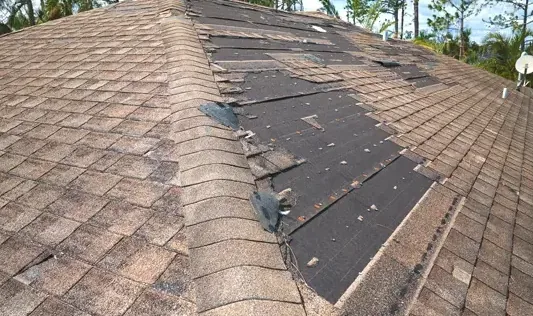
What to do first about roof leak and ice dam water damage
- 1
Catch the drip
Put a bucket under the leak and move furniture and rugs out of the room.
- 2
Relieve a bulging ceiling
If the ceiling bulges, keep clear and leave it for the crew; it can drop without warning.
- 3
Cut power to wet fixtures
Switch off breakers for light fixtures near the leak.
- 4
Photograph the stain
Shoot the ceiling, the attic if safe and the roof area for the claim.
What does roof leak and ice dam water damage cost in Midvale, UT?
Roof leak and ice dam water damage in Midvale, UT typically runs $1,200 to $6,500, depending on how much insulation and ceiling had to come out, how many rooms below got wet and how fast drying started.
Attic and one ceiling
$1,000 to $3,000
- Insulation removal
- Ceiling drying
- Daily readings
Ceiling, walls and floor
$3,000 to $6,500
- Drywall down
- Wall cavity drying
- LGR dehumidifiers
Several rooms
$6,500 to $12,000+
- Multiple ceilings
- Pad removal
- Extended drying
Ranges are typical, never a quote: the water category, the square footage, the material class and how fast drying started move the number most. For a planning figure, try the water damage cost calculator.
Roof leaks in Midvale come in two seasons. In winter, heat escaping into the attic melts snow on the upper roof, the melt refreezes at the cold eaves and forms an ice dam, and water backs up under the shingles. In summer, short heavy storms test flashing around chimneys, vents and skylights.
Tracing water from the roof down
The stain on the ceiling is rarely right under the leak. Water runs along rafters and the top of insulation before it drips. The tech starts in the attic with a thermal camera and meters, then follows the path down.
- Wet blown or batt insulation is removed so the ceiling can dry from above.
- Sagging ceiling drywall comes down for safety.
- Top plates and wall cavities below the leak are checked and opened where readings show water.
- Air movers and LGR dehumidifiers dry the attic side and the room side.
Roof repair first, then drying
A roofer stops the leak; drying a ceiling under an open leak just starts over at the next storm. Once the roof is tarped or repaired, the drying team dries the structure to readings. Leaks that reached the floor are handled with water extraction and wall framing with structural drying.
Ice dam warnings
Long icicles at the eaves and water stains along exterior walls after a snow are the early signs. Ready.gov winter weather covers home prep for storms, and the National Weather Service Salt Lake City office posts snow and freeze forecasts for the valley.
How roof leak and ice dam water damage is handled
Each step follows the IICRC S500 drying standard and leaves a record for the claim file. Equipment stays until the readings say dry.
- 1
Trace
Attic inspection with meters and a thermal camera.
- 2
Remove
Wet insulation out, sagging drywall down.
- 3
Open
Ceiling and wall cavities opened where readings show water.
- 4
Dry and verify
Attic and room dried until readings say dry.
Roof leak and ice dam water damage across Midvale and Salt Lake County
Midvale Water Damage Restoration covers ZIP 84047, from historic Main Street and the Jordan River side east across the I-15 corridor to Fort Union, with Bingham Junction, State Street and the homes along Little Cottonwood Creek in between.
Nearby coverage reaches Murray, Taylorsville, Cottonwood Heights, Holladay, West Jordan, Sandy, South Jordan, Millcreek.
Roof Leak and Ice Dam Water Damage questions in Midvale
Still dealing with it?
Water coming through the ceiling? The crew traces it from the attic and dries what it soaked.
(888) 558-4812 Ask about the attic and ceiling leakWhy is my ceiling leaking after a snowstorm?
Usually an ice dam. Melt from the warm upper roof refreezes at the eaves, and the water backs up under the shingles and into the attic.
Does wet attic insulation have to be replaced?
Blown and batt insulation that soaked through usually comes out, because it holds water against the ceiling and loses its insulating value.
Does insurance cover roof leak water damage?
Sudden storm damage is often covered, while leaks from wear or poor maintenance may not be. Ice dam coverage varies by policy. Check your own policy.
Can the ceiling drywall be dried in place?
Sometimes, when it did not sag and readings come down with air flow from the attic side. Sagging or crumbling drywall is removed for safety.
Should the roof be fixed before roof leak water damage is dried?
Yes. The leak has to be stopped or tarped first, or the next storm wets the ceiling again.
Roof leak or ice dam in Midvale? Get the attic dried out.
Water from the roof soaks insulation and ceilings long before it drips. The crew traces it, removes what is ruined and dries the rest.