Cloudburst and Flash Flood Cleanup in Cottonwood Heights, UT
Big Cottonwood Creek and Little Cottonwood Creek valleys flank the city, and cloudbursts and snowmelt can send water into garages and lower levels. The extraction crew pumps out the water, clears the silt and dries the structure.
(888) 558-4812 Storm water in the garage? Call now- Mud and silt cleared
- Garages pumped
- Structure dried
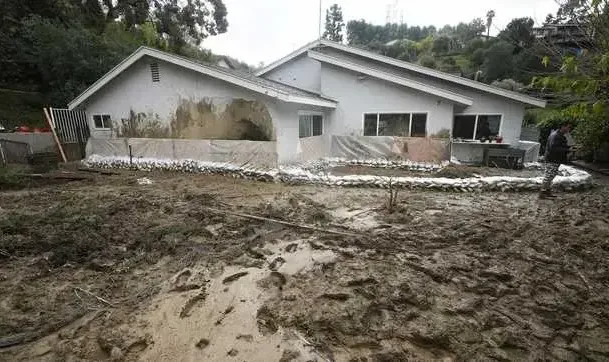
What to do first about cloudburst and flash flood cleanup
- 1
Stay out of the water
Floodwater can hide debris and live electrical hazards, so wait until it is safe to enter.
- 2
Shut off power
Turn off breakers only from a dry spot, or ask the utility if the panel is under water.
- 3
Move belongings up
Carry what you can to higher shelves or upper floors.
- 4
Record the damage
Photograph the waterline, the mud and the damaged items for the claim.
What does cloudburst and flash flood cleanup cost in Cottonwood Heights, UT?
Storm losses range from a muddy garage to a whole lower level. Silt, the water category and how much finished space was reached drive the number.
Garage or unfinished space
$1,500 to $4,500
- Pumping
- Mud removal
- Dehumidifier
Finished basement room
$4,500 to $10,000
- Carpet and pad out
- Drywall cut
- Antimicrobial
Whole lower level
$10,000 to $25,000+
- Containment
- Contaminated materials removed
- Extended drying
Ranges are typical, never a quote: the water category, the square footage, the material class and how fast drying started move the number most. For a planning figure, try the water damage cost calculator.
On April 10, 2023, spring runoff from Utah's record snowpack pooled across Wasatch Boulevard after a warm Easter weekend, and storm drains backed up. The National Weather Service warned that deep pools can undermine a road. Runoff like that shows how quickly water can overwhelm drainage on this bench.
Why storm water is treated as contaminated
Runoff crosses yards, roads and driveways before it reaches a building, so it carries soil, fertilizer and bacteria. That moves most storm losses into Category 2 or Category 3.
- Mud and silt are shoveled and vacuumed before drying starts.
- Carpet and pad that took in runoff are normally removed.
- Drywall is cut above the water mark and insulation is replaced.
- Hard surfaces are cleaned and treated before any rebuild.
Flood maps and insurance
Salt Lake County reports that FEMA's flood maps took effect in 2009, with revisions in 2012 that include the Big Cottonwood Creek and Little Cottonwood Creek zones. Lenders can require flood insurance inside mapped zones, and regular policies often exclude rising water, so the source gets documented carefully.
Cleanup and drying
After the silt is out, the structure is dried to the S500 standard, with readings each visit. See water extraction for the pumping stage, or the cost calculator for a planning range.
How cloudburst and flash flood cleanup is handled
Each step follows the IICRC S500 drying standard and leaves a record for the claim file. Equipment stays until the readings say dry.
- 1
Pump
Submersible pumps clear the standing runoff.
- 2
Clear
Mud, silt and debris are removed.
- 3
Open
Wet materials come out and surfaces are cleaned.
- 4
Dry
Equipment runs until readings match a dry reference.
Cloudburst and flash flood cleanup across Cottonwood Heights and nearby communities
Storm response covers the city from Wasatch Boulevard and the roads near State Route 190 and State Route 210 to the commercial blocks along Fort Union Boulevard, wherever runoff finds a way in.
The same service nearby: cloudburst and flash flood cleanup in Midvale, Holladay, Murray.
Water damage restoration in Cottonwood Heights · every town covered
Cloudburst and Flash Flood Cleanup questions in Cottonwood Heights
Still dealing with it?
Runoff in the garage or lower level? The extraction crew pumps it out and clears the silt.
(888) 558-4812 Get the storm water pumped outIs storm water the same as clean water?
No. Runoff picks up soil, chemicals and bacteria on its way, so it is treated as contaminated and more material is removed than after a pipe leak.
Does homeowners insurance cover a flash flood?
Standard policies often exclude rising surface water, which usually needs separate flood coverage. The photos and the cause of loss support the claim.
What are the FEMA flood maps?
They show areas with a 1% annual chance of flooding. Lenders check them and can require flood insurance for mapped properties.
How is the mud removed?
Shovels and vacuums take out the bulk, then pressure and cleaning treatments clear the rest from hard surfaces. Porous materials covered in silt are normally discarded.
How long does storm cleanup take?
Pumping and mud removal come first, and drying then takes several days. The size of the area and the materials involved decide the schedule.
Flash flood damage in Cottonwood Heights? Start the cleanup.
Mud and contaminated water set into carpet, wood and drywall if they are left. The mitigation team removes both before drying begins.