Sewer Backup Cleanup in Cottonwood Heights, UT
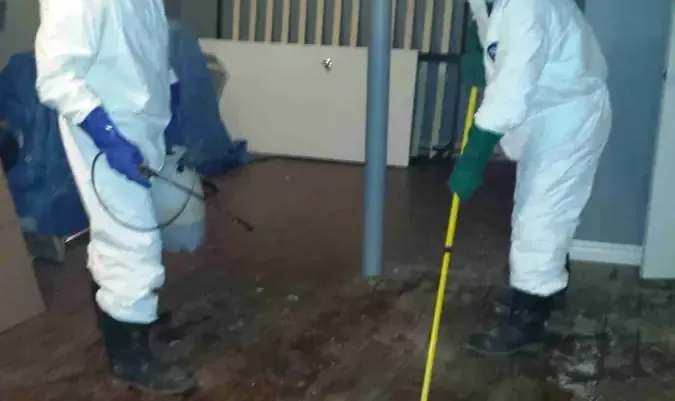
When sewage comes up through a floor drain, tub or toilet, the response team wears protective gear, removes the contaminated water and materials and disinfects everything the water touched.
(888) 558-4812 Sewage on the floor? Call now- Protective gear and containment
- Porous materials removed
- Surfaces disinfected
What to do first about sewer backup cleanup
- 1
Stop using water
Do not flush, run the washer or use sinks, since every gallon adds to the backup.
- 2
Stay out of the area
Keep children, pets and anyone with a weak immune system away from the sewage.
- 3
Call a plumber
The blockage has to be cleared before cleanup can hold.
- 4
Photograph first
Capture the affected rooms and damaged items before anything is thrown out.
What does sewer backup cleanup cost in Cottonwood Heights, UT?
Sewage jobs cost more than clean water because contaminated materials are removed and the area is disinfected. The size of the affected area and how far the water reached decide the range.
Floor drain area, unfinished
$1,500 to $4,000
- Sewage removed
- Disinfecting
- Floor dried
Finished room
$4,000 to $9,000
- Carpet and pad out
- Drywall cut
- Air scrubber
Whole lower level
$9,000 to $20,000+
- Full containment
- Contaminated materials hauled
- Extended drying
Ranges are typical, never a quote: the water category, the square footage, the material class and how fast drying started move the number most. For a planning figure, try the water damage cost calculator.
Sewage is a health problem before it is a property problem. Water that has come up through a drain carries bacteria and has to be treated as contaminated until the job is finished. The crew seals off the affected area, removes the liquid and takes out anything porous that the water reached.
Why sewage is handled differently
Clean water can often be dried in place. Sewage cannot, because it soaks into materials that are impossible to clean fully.
- Carpet, pad and cushions that touched sewage are bagged and removed.
- Drywall and insulation are cut out above the contact mark.
- Hard surfaces and framing are cleaned, then treated with an EPA registered disinfectant.
- Air scrubbers and containment keep airborne particles from reaching clean rooms.
Finding where it came from
A backup shows up at the lowest drain, but the blockage can be anywhere downstream. A plumber clears the obstruction, and the restoration team starts once the water has stopped rising. Clearing the blockage first keeps new sewage from undoing the cleanup.
Drying and clearance
After removal, air movers and dehumidifiers dry the remaining structure, and readings confirm the cavity is dry. Photos and a written scope support the claim, and the cost calculator offers a planning range. For clean water losses, compare water extraction.
How sewer backup cleanup is handled
Each step follows the IICRC S500 drying standard and leaves a record for the claim file. Equipment stays until the readings say dry.
- 1
Contain
Plastic barriers and air scrubbers isolate the work area.
- 2
Remove
Sewage and porous materials are taken out and bagged.
- 3
Disinfect
Hard surfaces and framing are cleaned and treated.
- 4
Dry
Equipment dries the cavities and readings confirm the result.
Sewer backup cleanup across Cottonwood Heights and nearby communities
Backup cleanup covers lower levels and drains across the city, from the homes up on the ridge to buildings near Fort Union Boulevard and the Old Mill, with containment set up before any removal starts.
The same service nearby: sewer backup cleanup in Midvale, Holladay, Murray.
Water damage restoration in Cottonwood Heights · every town covered
Sewer Backup Cleanup questions in Cottonwood Heights
Still dealing with it?
Sewage coming up a drain? The response team arrives in protective gear to contain it.
(888) 558-4812 Ask about sewage removalIs a sewer backup dangerous?
Yes. Sewage carries bacteria and viruses, so skin contact and airborne mist should be avoided and children and pets kept away until the area is cleaned.
Can sewage damaged carpet be cleaned?
Usually not. Carpet and pad absorb contaminated water, and cleaning cannot remove it all, so both are normally removed and replaced.
Does homeowners insurance cover a sewer backup?
Often only with an added endorsement, so the policy wording matters. The scope and photos describe the source, and the insurer decides what applies.
Who clears the blocked pipe?
A plumber clears the obstruction. The restoration team handles the water damage, and the two jobs usually happen close together.
What happens to belongings touched by sewage?
Hard items such as glass, metal and sealed plastic can be cleaned and disinfected. Fabric, paper, cardboard and upholstered furniture usually cannot be made safe and are discarded.
How long until the room is safe again?
Safety is judged after removal, disinfecting and drying, and readings show when the structure is dry. The crew explains what is left before any rebuild starts.
Backup in Cottonwood Heights? Get the area sealed and cleaned.
Contaminated water spreads to carpet, walls and cabinets the longer it stays. Prompt removal limits what has to be thrown out.