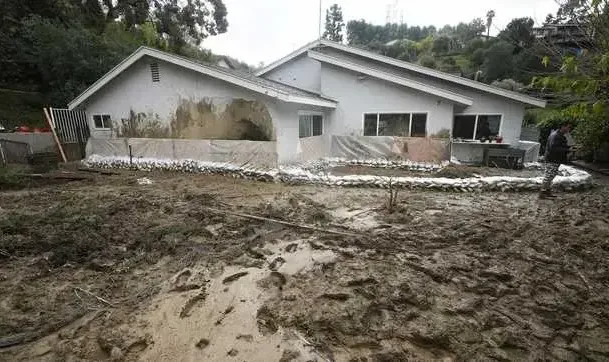
Little Cottonwood Creek flows north westerly through Sandy, Midvale and Murray into the Jordan River. Past research puts about 85 percent of its runoff at the canyon mouth as snowmelt, which is a good reason to think about the lower level of a house each spring.
Key takeaways
- Little Cottonwood Creek crosses the city on its way to the Jordan River, and past research puts about 85 percent of its runoff at the canyon mouth as snowmelt.
- The National Weather Service names flash floods from intense rain and spring snowmelt floods as Utah flood types, so there are two seasons to plan for.
- Snowmelt water reaches a house through window wells, the floor and wall joint and floor drains, not only through the creek itself.
- A pre thaw walk around the house costs an afternoon and removes most of the easy ways in for water.
- Past flooding on the creek in 1983 and in summer 2010 does not mean any home flooded, but it shows the creek can run high.
The creek that crosses the city
Midvale is a city in Salt Lake County. The Jordan River forms its western border, and Little Cottonwood Creek crosses it on a north westerly path from Sandy to Murray.
For a homeowner, the creek and the river are the low points that the neighborhood water eventually heads toward.
- The Jordan River is the western border of the city.
- Little Cottonwood Creek flows through Sandy, Midvale and Murray into the river.
- Permanent homes began as early as the 1850s, so houses of many ages share the same ground.
- The west side became industrial and the east side agriculture and housing.
Why snowmelt behaves differently from rain
The National Weather Service describes Utah snowmelt flooding as a spring event, when rapidly warming temperatures melt snow and the water runs off saturated ground into streams.
Rain is a short burst. Snowmelt is a slow, steady supply that can last through a warm week and refill whatever is draining away, which is why a drain that copes on Monday can fall behind by Friday.
Warm nights matter as much as warm days. Melting that continues overnight keeps the ground saturated, so the soil has no dry stretch in which to take in water again.
How spring water reaches a basement
The creek itself is only one way in. Most lower level water comes from the ground around the house.
Through window wells
A window well is a pit against the foundation. When it fills with meltwater faster than its drain can empty it, water pushes past the window frame and onto the floor.
Through the floor and the wall joint
Saturated ground pushes water up through cracks in a slab and along the joint where the floor meets the wall. It often shows first as a damp strip along an exterior wall.
Through floor drains and the sump pit
A floor drain can back up when the ground around the pipes is full. A sump pit that is working shows water rising and the pump cycling, and one that has stopped is an early warning.
A walk around the house before the thaw
The best time for this walk is before the first warm spell. It takes an afternoon and is cheaper than any cleanup.
Window wells deserve the most attention. Check that each well bottom has gravel or an open drain and that the well is not packed with leaves.
The window well flood risk check can help rank which wells need attention first.
- Clear leaves, grit and ice from each window well and check its drain.
- Extend downspouts so roof water lands well away from the foundation.
- Look for soil that has settled toward the house and add fill so it slopes away.
- Test the sump pump by pouring water into the pit, and check the discharge pipe.
- Lift stored boxes and furniture off the basement floor.
- Locate the electrical panel and the main water shutoff so they can be reached quickly.
If water gets in
Water that comes from outside the house is not clean water. The restoration team treats it as contaminated until the source and the readings say otherwise.
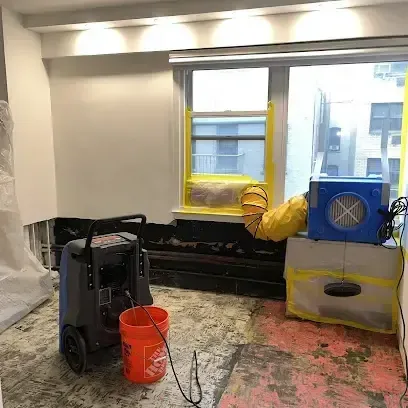
Wet drywall and insulation hold water long after the floor looks dry. The team cuts out and dries the lower wall where readings call for it, and closes the wall only when the framing reads dry.
- Keep out of standing water near outlets, cords and appliances until power to that area is off.
- Move belongings off wet floors and photograph the damage.
- Stop the source if it is safe, such as clearing a blocked window well drain.
- Bring in a crew for storm flood cleanup and water extraction so standing water does not soak the walls.
What past flooding on the creek does and does not mean
Past research on Little Cottonwood Creek notes significant flooding in 1983 and again in summer 2010.
That research does not say any home here flooded in either year. It shows that the creek can run high, and what a homeowner controls is the ground right around the house.
A full basement flooding cleanup removes wet materials, dries the slab and walls and tracks the readings. The window well flooding cleanup page covers wells that overflow.
Older and newer homes, same questions
Homes here range from long settled streets on the east side, near the old Fort Union settlement, to the industrial west side where buildings are used differently.
The age of a house changes what the walls are made of. It does not change the questions: where is the water entering, how far has it traveled and when will the readings be dry.
A finished lower level holds carpet and drywall that soak up water, while an unfinished one has a bare slab that dries faster. Finished space needs more removal after a wetting.
Questions
How much of Little Cottonwood Creek's flow is snowmelt?
Past research puts about 85 percent of its runoff at the canyon mouth as snowmelt. That is a figure from earlier research, not a current measurement.
What are the two flood types in Utah?
The National Weather Service lists flash floods from intense rain and spring snowmelt floods. Each has a different season and a different pattern.
Did the 1983 and 2010 creek flooding damage Midvale homes?
The past research notes significant flooding on the creek in those years. It does not say whether any home here was affected.
What is the most common way meltwater enters a basement?
Window wells, cracks at the floor and wall joint and floor drains are the usual routes. The creek itself is only one source of water.
Should a flooded basement be treated as clean water?
No. Water from outside the house can carry soil and other contaminants, so the restoration team treats it as contaminated and removes porous materials it soaked.
When should a sump pump be tested?
Before the thaw. Pour water into the pit and watch the pump start, run and shut off, and confirm that the discharge pipe sends the water away from the house.