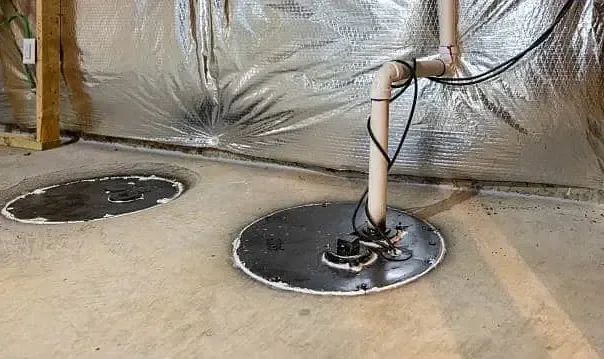
On May 24, 2023, KUTV reported unexplained flooding in the basements of several homes in a Holladay neighborhood while Big Cottonwood Creek was not overflowing. Swelling groundwater was the best guess for the source. The story is a useful reminder that basement water does not always come from the creek, the roof or a pipe.
Key takeaways
- Basement water can come up through the floor or in at the wall joint even when the nearest creek is inside its banks.
- In the May 2023 report the water affected one side of a street and five homeowners, with at least one household that had no sump pump.
- Residents ran hoses for days, and some feared the flow could last another month, so the source can outlast the first cleanup.
- Extraction removes the water, but drying cannot finish until the source is controlled by a pump or another fix.
- The report covers one neighborhood and says nothing about the whole city, so each house needs its own moisture readings.
What the May 2023 report described
The KUTV report describes homes with basements and a flow of water that appeared on only one side of a street.
Residents ran hoses from their homes, draining a steady flow for days, and some feared it could last another month.
- Five homeowners in the neighborhood had similar basement flooding.
- One resident living in a basement next to Big Cottonwood Creek found about two inches of water.
- A plumber drilled a hole in that basement floor and attached a pump to send the water out of the home.
- A neighbor without a sump pump feared her home might be next.
Seepage from below versus creek overflow
Creek overflow comes from outside, carrying silt and debris through windows, doors and window wells. Seepage comes through the floor, the wall joint or a drain, often slowly and often after the weather has cleared.
The difference matters because the fix is different. Overflow stops when the creek drops, while seepage can continue until the ground itself drains.
Both can happen in the same spring, so a dry creek does not mean a dry basement, and a wet basement does not mean the creek is to blame.
Signs of water from below
- Damp patches that spread from the floor edge or a floor crack.
- Water rising in a sump pit or showing at a floor drain with no rain that day.
- Wetness on one side of the house while the other side stays dry.
- Water that keeps returning after it has been removed.
Signs of water from outside
- Silt, leaves or grit left on the floor.
- A water mark that follows the outside ground level.
- Wet window wells or a flooded stairwell.
Why a snowmelt spring raises the question
In mid May 2023 a hydrologist advising Salt Lake City said about 38 inches of snow water equivalent remained at Mill D North in Big Cottonwood Canyon, melting about 1.7 inches a day.
On May 16, 2023, the city declared a state of emergency over an imminent risk of localized flooding as warm weather sped up the melt. The declaration let the city seek state and other outside help if spring runoff flooded the creek.
The basement story came eight days later, while the creek stayed in its banks. A big melt raises water levels in the ground as well as in the channel, which is the likely thread connecting the two.
What extraction and drying start with
The restoration team starts by finding out whether the water is still coming. A basement that is pumped dry while the source keeps running will fill again.
Control the source
In the report the fix was a pump that moved water out through the floor. A sump pump and a discharge pipe that carries water well away from the house do the same job.
A plumber or the homeowner decides on the pump, and the restoration crew works around it.
Remove the water, then dry the structure
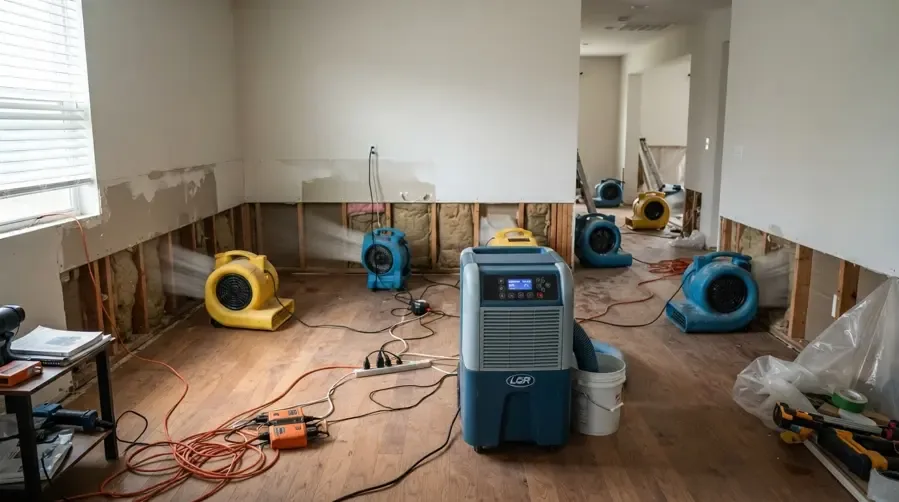
Extraction pulls standing water from the slab, carpet and pad. Moisture readings in the walls, baseboards and the lower few feet of drywall show how far the water traveled.
Wet carpet pad and soaked insulation are usually removed. Concrete, framing and drywall that can be saved are dried with dehumidifiers and air movement until readings return to a dry reference.
Steps for a homeowner in the first hours
The goal in the first hours is to limit what the water can reach and to record what it did. A basement with a sump pump deserves a quick check on whether the pump is running.
If the water is deep or still rising, stay out of the basement. Electric panels, furnaces and water heaters often sit low, and water around them is a shock risk.
- Keep out of the water near outlets, cords and appliances until power to that area is off.
- Check the sump pump and discharge pipe if the home has them.
- Lift boxes, furniture and rugs off the wet floor.
- Photograph the water level, the walls and the damaged items.
- Bring in an extraction crew once the water is still or the source is controlled.
When the water keeps coming
Some seepage lasts days or weeks. The residents in the report ran hoses for days and worried it could last another month.
In that case drying is paced to the source. The team sets equipment, takes readings on a schedule and does not close up a wall until the readings are dry.
A structural drying plan for a long wet spell looks different from a one day cleanup, because the equipment may run while the source is still being fixed.
Questions worth asking before work starts
A basement that takes on water from below raises questions that a roof leak or a burst pipe does not. Good answers shape the whole job.
The basement flooding cleanup team works from the answers, so it helps to gather them early.
- Is the water still entering, and where is it entering?
- Is there a sump pit, and is the pump powered and discharging away from the house?
- Did the water reach the walls, or only the floor?
- Are neighbors seeing the same thing, which can point to a shared cause?
- What does the homeowner's policy say about water from the ground?
Questions
Can a basement flood when the creek is not overflowing?
Yes. The May 2023 KUTV report describes basements taking on water in a neighborhood while Big Cottonwood Creek was not overflowing, with swelling groundwater the best guess for the cause.
Does a sump pump solve the problem?
A working sump pump can keep a pit from filling, but it needs power and a discharge pipe that carries water away. At least one household in the report had no sump pump and feared being next.
Why did residents run hoses for days?
A steady flow was entering their basements, and hoses carried it outside. It shows that drying cannot finish while the source is still running.
Is basement seepage covered by homeowners insurance?
That depends on the policy, since policies often treat sudden water, ground seepage and surface flooding differently. Reading the wording or asking the insurer before work starts avoids surprises.
Does this affect the whole city?
No. The report covers one neighborhood and five homeowners. It says nothing about the rest of the city, and each house needs its own readings.
What did the plumber do in the report?
A plumber drilled a hole in the floor of the basement beside the creek and attached a pump to send the water out of the home. That is a plumbing decision, and the restoration team dries the space once the water is under control.